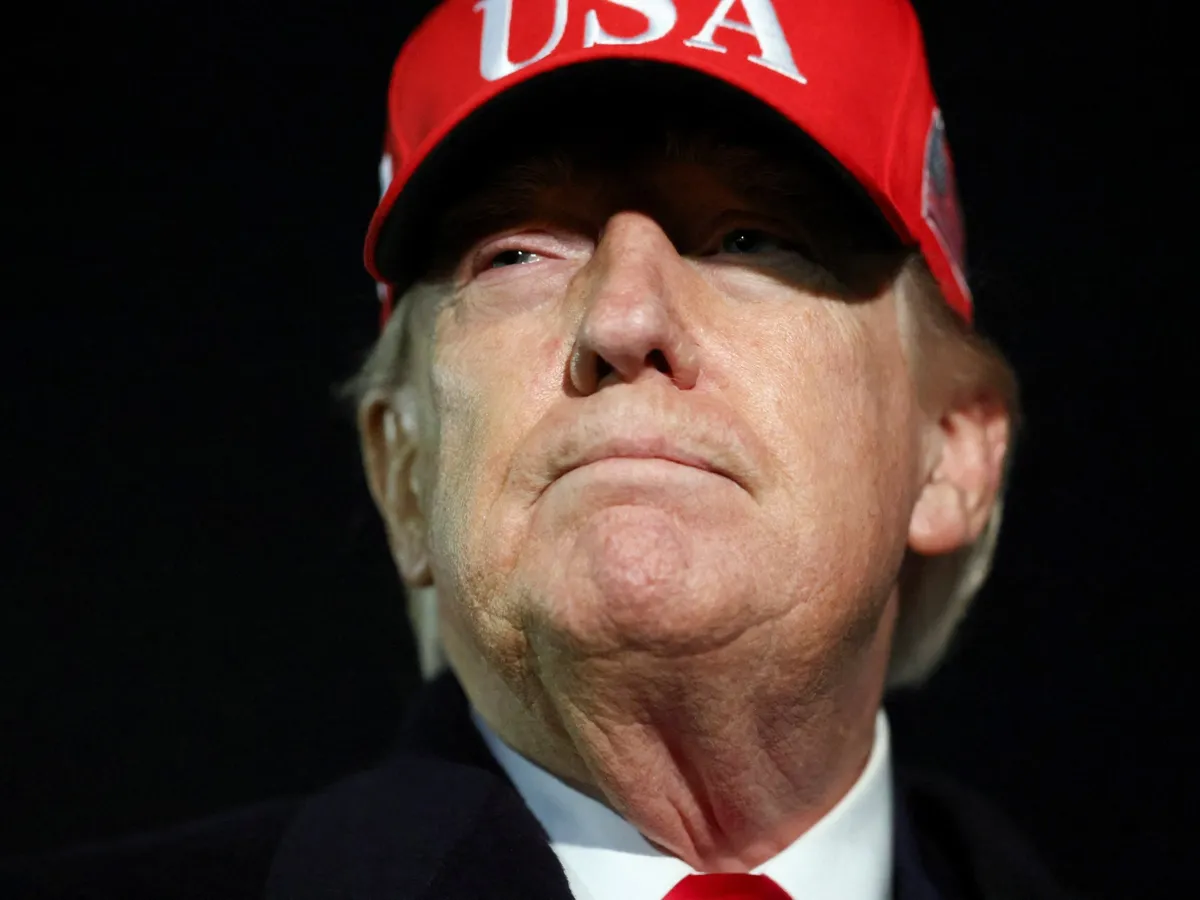
U.S. President Donald Trump has warned that Iranian military ships approaching an American naval blockade zone in the Gulf will be "immediately eliminated," as the United States formally began enforcing the maritime cordon, according to reporting by Al Jazeera.
Trump issued the warning as U.S. naval forces moved to establish and enforce the blockade, a significant escalation of pressure on Tehran that marks one of the most direct confrontations between the two countries in recent years.
The blockade zone targets Iranian vessels operating in the Gulf, a critical waterway through which a substantial portion of the world's oil supply transits. The move represents a sharp intensification of the Trump administration's pressure campaign against Iran.
High stakes in a critical waterway
The Gulf is among the world's most strategically sensitive maritime corridors. Iran has previously threatened to close the Strait of Hormuz in response to military pressure, a move that analysts have warned would send global energy markets into turmoil.
The Trump administration's decision to establish a naval blockade raises the stakes considerably, as any direct engagement between U.S. and Iranian forces in the region could have wide-ranging consequences for regional stability and global oil supplies.
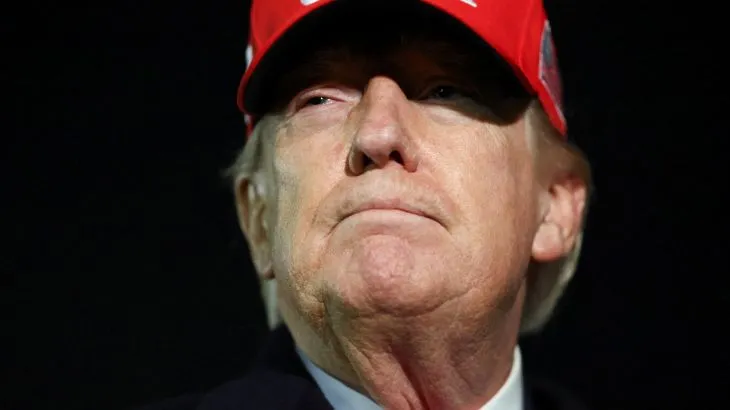
Iran has not yet issued a formal public response to the blockade declaration or Trump's warning, according to the Al Jazeera report.
Escalating tensions
The blockade comes amid longstanding tensions between Washington and Tehran over Iran's nuclear program, its regional proxy networks, and its ballistic missile development. The Trump administration has pursued a policy of maximum pressure against Iran since returning to office, including renewed sanctions and diplomatic isolation efforts.
Military analysts have noted that direct confrontations between U.S. and Iranian naval forces in the Gulf carry significant risks of miscalculation, given the narrow geography of the waterway and the presence of multiple armed actors in the region.
The United States maintains a substantial naval presence in the Gulf through the U.S. Fifth Fleet, headquartered in Bahrain.
International reaction to the blockade declaration had not been fully documented at the time of the Al Jazeera report. The development is expected to draw responses from Gulf Arab states, European allies, and major oil-importing nations in Asia, all of whom have significant economic interests tied to the stability of Gulf shipping lanes.
Further details on the precise boundaries of the blockade zone and the rules of engagement governing U.S. naval forces have not been publicly disclosed by the Pentagon, according to available reporting.