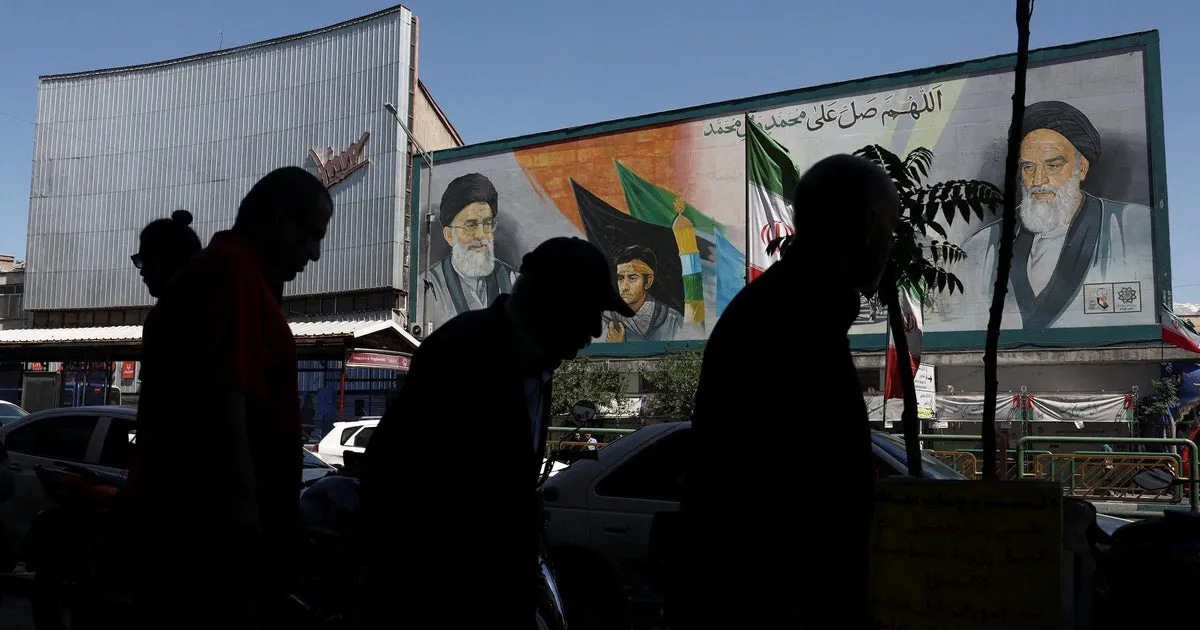
The Trump administration has unveiled a sweeping new counterterrorism strategy that is raising eyebrows on both sides of the Atlantic - and not in the fun, "wow that's bold" kind of way. According to reporting by France 24, the document brands Europe an "incubator" for terrorism, blaming mass migration policies for creating conditions that breed extremist threats to the United States.
The strategy, released Wednesday, represents a significant rhetorical escalation toward America's closest allies. Lumping Germany, France, and the rest of the EU into the same conceptual neighborhood as ungoverned conflict zones is, to put it diplomatically, a choice. European governments, who have spent decades coordinating counterterrorism intelligence with Washington, are unlikely to take the label lying down.
Domestic targets get a makeover
But wait, there's more. The document doesn't stop at pointing fingers across the ocean. It also dramatically expands the domestic scope of what the administration considers a terrorism concern, explicitly naming "violent left-wing extremists" as a priority threat. So far, arguably within the bounds of normal policy debate.
Then comes the part that is already generating significant controversy: the strategy reportedly includes "radically pro-transgender" groups in its list of domestic concerns. Critics are already arguing this conflates political activism and identity advocacy with actual violent extremism - a distinction that legal scholars and civil liberties organizations consider, shall we say, rather important.
What this actually means in practice
On paper, counterterrorism strategies are planning documents that shape intelligence priorities, resource allocation, and interagency coordination. In practice, labeling a category of people or a continent in an official strategy document sends signals throughout law enforcement and intelligence agencies about where to look and what to treat as suspicious.
The migration-terrorism link the document draws on has been a cornerstone of Trump's political messaging since 2015, but enshrining it in a formal national security strategy gives it bureaucratic weight that goes beyond campaign rhetoric.
As for the European "incubator" framing - it lands at a particularly awkward moment for transatlantic relations, which are already strained over trade tariffs, NATO funding disputes, and the war in Ukraine. Nothing says "allies" quite like officially documenting that you think their immigration policy is a pipeline for people who want to blow things up.
France 24 reported the strategy was unveiled Wednesday. Responses from European governments and domestic civil liberties organizations are expected to follow swiftly.