The United States is back at it again with a fresh round of tariffs, this time specifically targeting goods linked to forced labour concerns - and yes, this comes hot on the heels of the Supreme Court torpedoing a whole swath of President Donald Trump's previous duties back in February, according to the BBC.
So what happened to the old tariffs?
In February, the US Supreme Court struck down many of Trump's earlier tariff measures, which sent the administration back to the drawing board faster than you can say 'trade war.' Rather than take the hint and maybe, just maybe, ease up on the tariff throttle, the administration has come roaring back with a new justification: forced labour.
This is actually a meaningful legal distinction. Tariffs grounded in forced labour concerns have a different statutory footing than broader economic or national security tariffs - the kind that kept getting challenged in courts. Think of it as the administration finding a new door after the old one got slammed shut.
Why forced labour specifically?
The forced labour angle isn't pulled from thin air. The US already has the Uyghur Forced Labor Prevention Act on the books, which presumes that goods made in China's Xinjiang region are produced with forced labour unless importers can prove otherwise. These new tariff announcements appear to build on that existing framework, giving the administration a more legally defensible perch from which to levy duties.

It is a clever pivot - wrapping trade protectionism in the considerably more sympathetic language of human rights. Critics might call it strategic; supporters would call it exactly what it is.
What does this mean for trade?
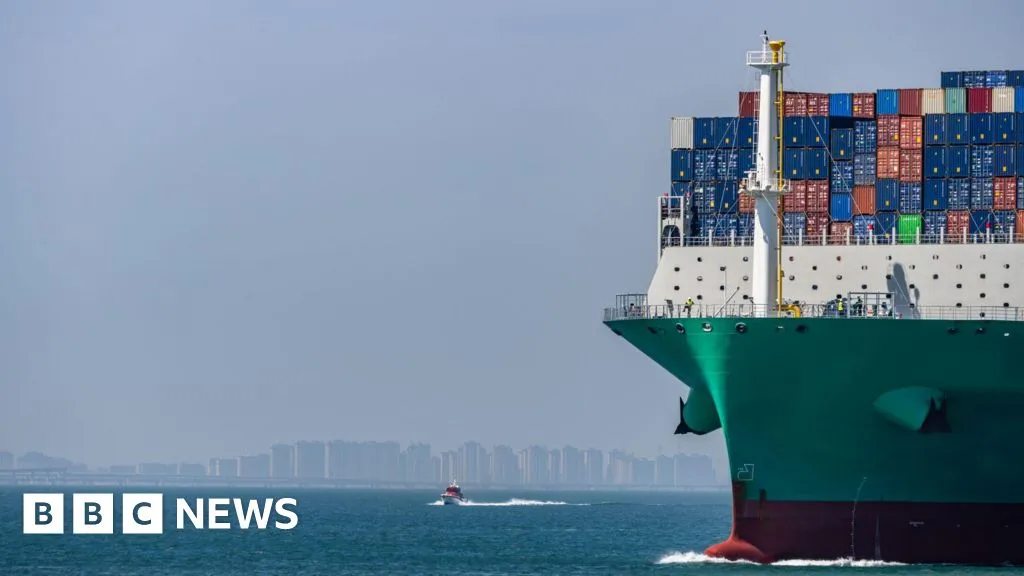
The practical implications are significant. Importers dealing in goods from regions flagged for forced labour practices - primarily but not exclusively China - are now staring down additional costs. Those costs, historically and predictably, tend to trickle down to consumers.

The broader trade relationship between the US and its partners remains about as stable as a Jenga tower in an earthquake. Each new round of tariffs prompts retaliatory measures, legal challenges, and a fresh round of headlines.
Whether these new duties survive legal scrutiny better than their predecessors remains to be seen. The Supreme Court has already shown it is willing to take a red pen to Trump-era trade policy, so expect the courtroom drama to continue alongside the economic one.
Stay tuned - this particular trade saga has more sequels than a Marvel franchise, and the ending is nowhere in sight.