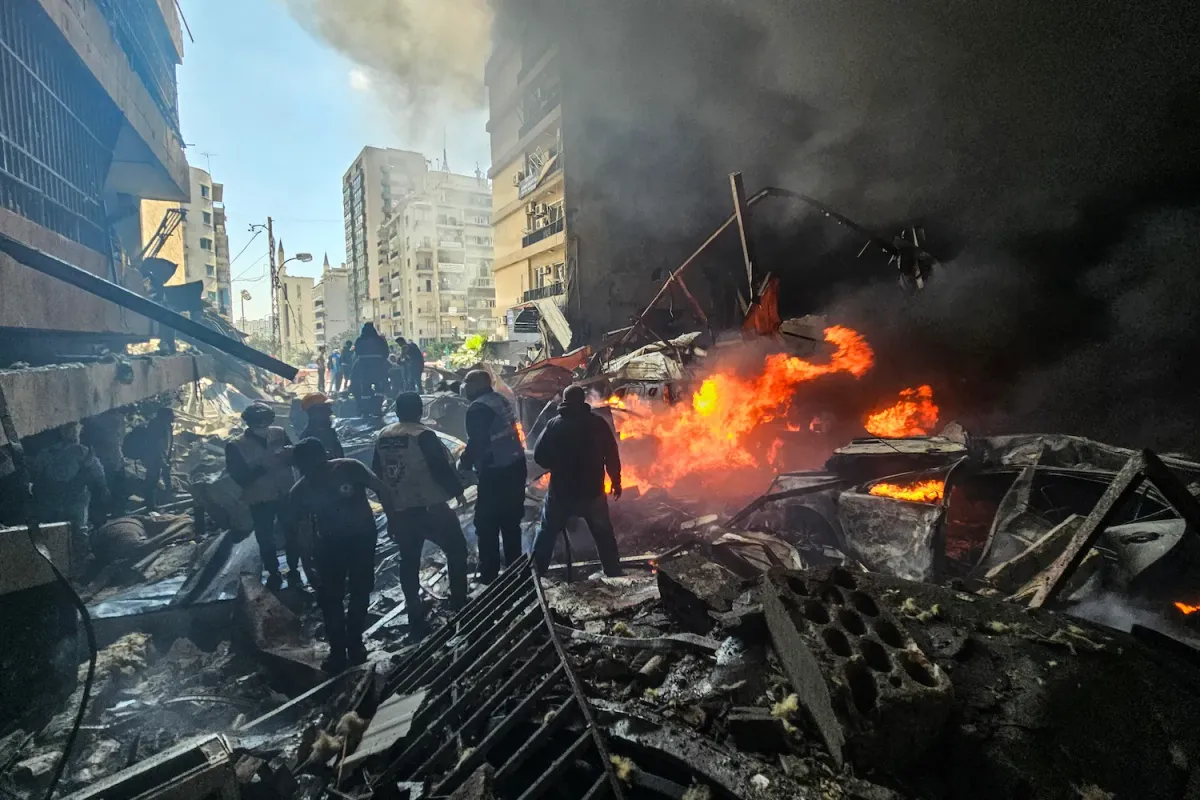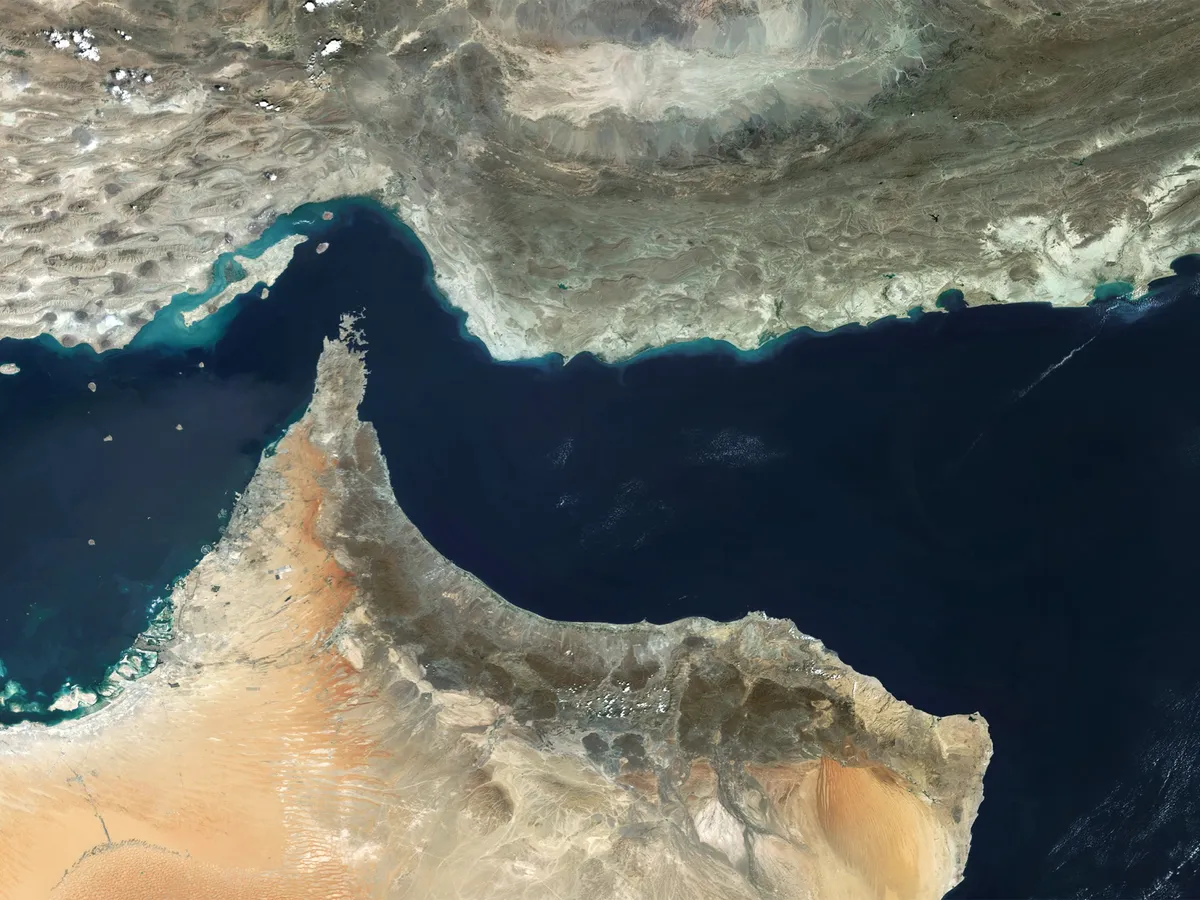
A threat by President Donald Trump to blockade the Strait of Hormuz has alarmed analysts who warn it risks unraveling a delicate ceasefire between the United States and Iran, according to reporting by Al Jazeera.
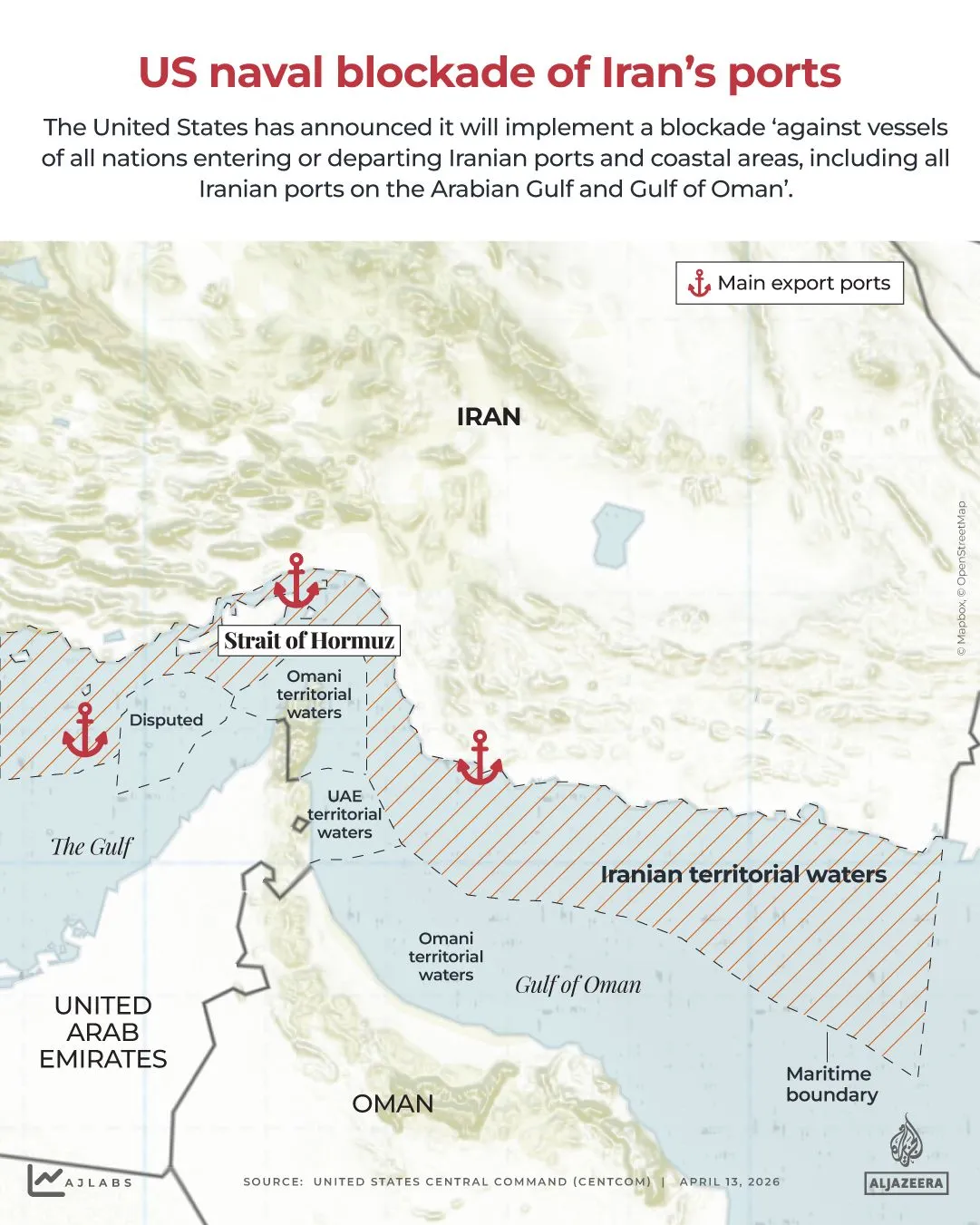
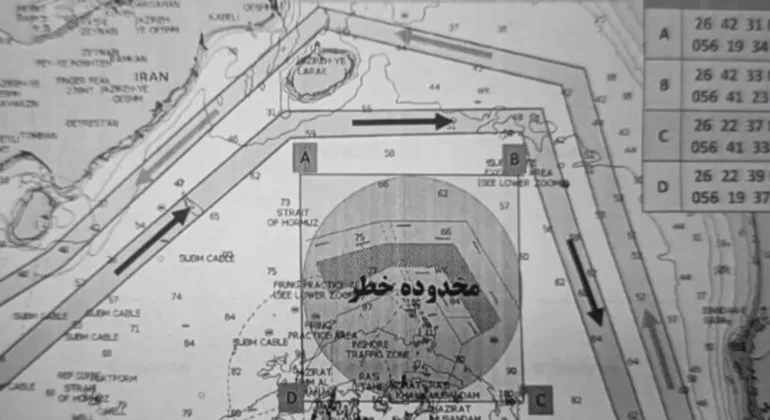
The Strait of Hormuz, a narrow waterway between the Persian Gulf and the Gulf of Oman, is one of the world's most critical chokepoints for oil shipments. Roughly 20 percent of global oil trade passes through it, making any disruption there a matter of immediate concern for international energy markets.
A fragile diplomatic moment
Analysts cited by Al Jazeera described the threat as a significant escalation at a particularly sensitive time. Negotiations between Washington and Tehran over Iran's nuclear program have proceeded cautiously in recent weeks, and observers say a military blockade - or even the credible threat of one - could derail those talks entirely.
The ceasefire currently in place between the two countries is described as fragile, with both sides maintaining deep mutual distrust. Analysts warned that Iran could interpret a blockade as an act of war, potentially triggering a response that would pull the region into a broader conflict.
Strategic and economic stakes
Beyond the diplomatic dimension, a blockade of the strait would carry severe economic consequences. Energy analysts have long identified the Hormuz corridor as a critical vulnerability in global oil supply chains. Any sustained closure or military confrontation in the area would likely cause a sharp spike in oil prices worldwide.
Iran has previously threatened to close the strait in response to Western pressure, though it has never carried out such an action. A unilateral US blockade would represent an unprecedented step that reverses that dynamic, with Washington taking the aggressive posture.
Regional reactions
Gulf states, many of which depend on the strait for their own oil exports, have not publicly commented on Trump's threat. These countries occupy a difficult position, maintaining security relationships with the United States while also seeking to avoid an escalation that could destabilize their own economies and territories.
Iran's government has not issued a formal response to the threat as of the time of reporting, though Iranian officials have previously indicated that any hostile action near the strait would prompt retaliation.
Analysts told Al Jazeera that the threat reflects a broader pattern of maximum-pressure tactics that have defined Trump's approach to Iran, but cautioned that the current moment is more volatile than previous standoffs given the ongoing nuclear negotiations and the existing ceasefire arrangement.
Whether the blockade threat represents a negotiating posture or a concrete military intention remains unclear, but its impact on already strained diplomatic channels is being closely watched by governments and energy markets alike.