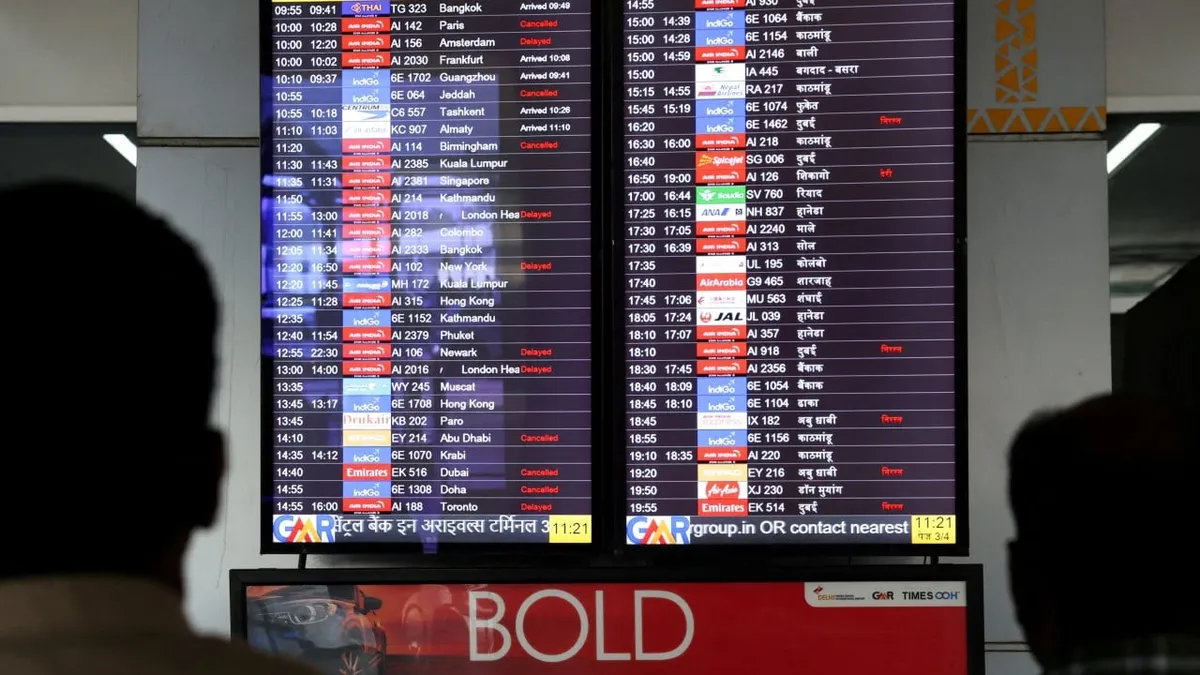
There's an old saying that goes 'be careful what you wish for.' Apparently, nobody slipped that memo under the Oval Office door before the U.S. decided to escalate against Iran, because according to a new analysis from Foreign Policy, the geopolitical muscle-flexing is now coming with a very uncomfortable economic price tag.
The energy shock nobody wanted to talk about
Foreign Policy reports that what we're looking at may be history's biggest energy shock - a disruption so significant that inflation is once again rearing its ugly head across the U.S. economy. Oil markets, already jittery from years of post-pandemic weirdness, are now caught in the crossfire of military brinkmanship in one of the world's most strategically vital regions.
The cruel irony here is almost Shakespearean in its comedic timing. Trump ran his 2024 campaign partly on the promise of taming inflation and delivering cheap energy - 'drill, baby, drill' being the bumper sticker version of his economic vision. Now, the very foreign policy choices his administration is making are reportedly undermining that exact agenda.
Fault lines are widening
It's not just gas prices making people grumpy at the pump. Foreign Policy notes that broader economic fault lines are opening up as the disruptions ripple outward. Energy costs don't stay neatly in the 'energy' box - they feed into manufacturing, transportation, food production, and basically every other sector of an economy that runs on fossil fuels.
The situation puts Republican economic hawks in a particularly awkward position. The party that loves to brandish energy dominance as a foreign policy weapon is now watching that same weapon misfire domestically. It's the geopolitical equivalent of hitting yourself in the face with a nunchuk.
Can Trump blame his way out of this one?
In past inflationary episodes, the White House was quick to point fingers at supply chain chaos, COVID hangovers, or the previous administration. This time, the causal chain leads more directly back to current U.S. military and diplomatic decisions in the Middle East - making the blame-shifting gymnastics considerably more difficult.
Whether the administration can thread the needle between projecting strength abroad and keeping inflation contained at home remains very much an open question. What Foreign Policy's analysis makes clear is that the tension between Trump's war instincts and his economic promises is no longer theoretical - it's showing up in real data, with real consequences for real American wallets.
Nobody said running an empire was cheap. Turns out, nobody said it was smart either.