In what diplomats are calling a completely normal and not at all emotionally loaded geopolitical overture, the UK government is reportedly pushing for new trade deals with the European Union on steel and electric vehicles - because it turns out leaving a 47-year economic partnership has some ongoing complications. Who could have predicted this.
According to the Guardian, Downing Street is seeking agreements that would shield British industry from incoming EU steel tariffs and tougher electric vehicle rules, both of which are set to kick in around 2027. Prime Minister Keir Starmer is framing the push as part of a broader effort to upgrade the post-Brexit economic relationship with the bloc - which, to be fair, is a polite way of saying 'fix some of the things that are quietly breaking.'
Why now, though?
The timing is not exactly random. The Guardian reports that the push comes amid a cocktail of economic anxieties - ongoing conflict in the Middle East rattling global markets, and a notably frostier relationship with the United States under its current leadership. When your two biggest trading partners are either on fire or giving you the cold shoulder, cozying up to your nearest neighbour starts looking like a very sensible idea.
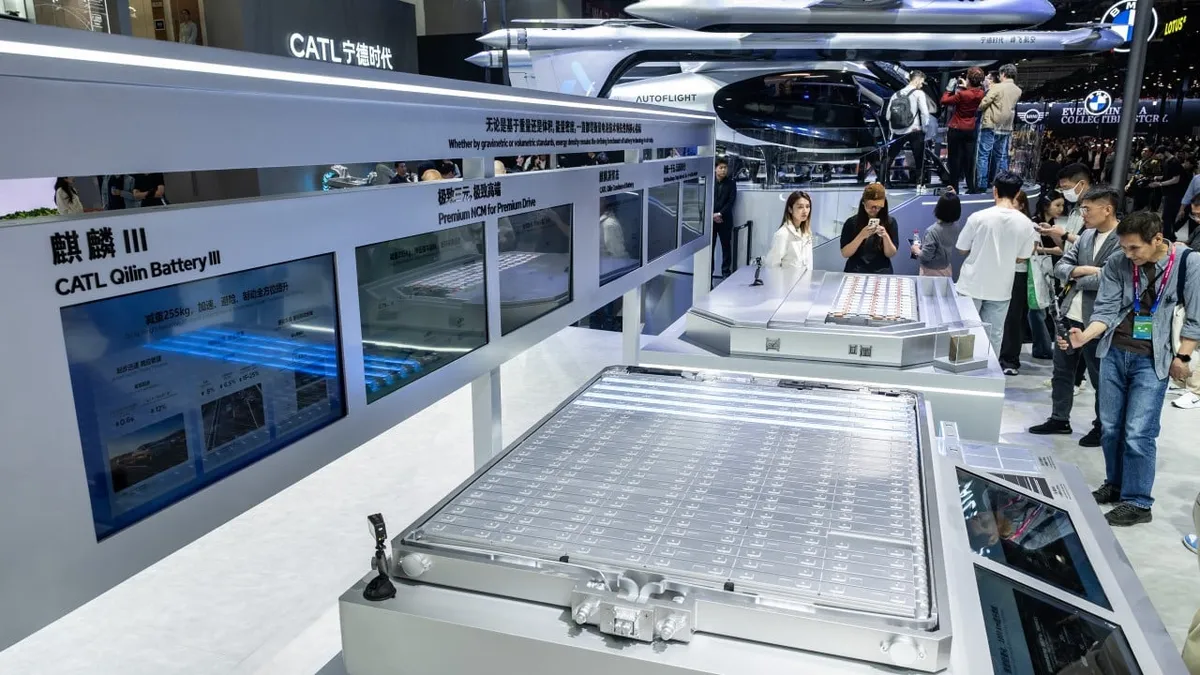
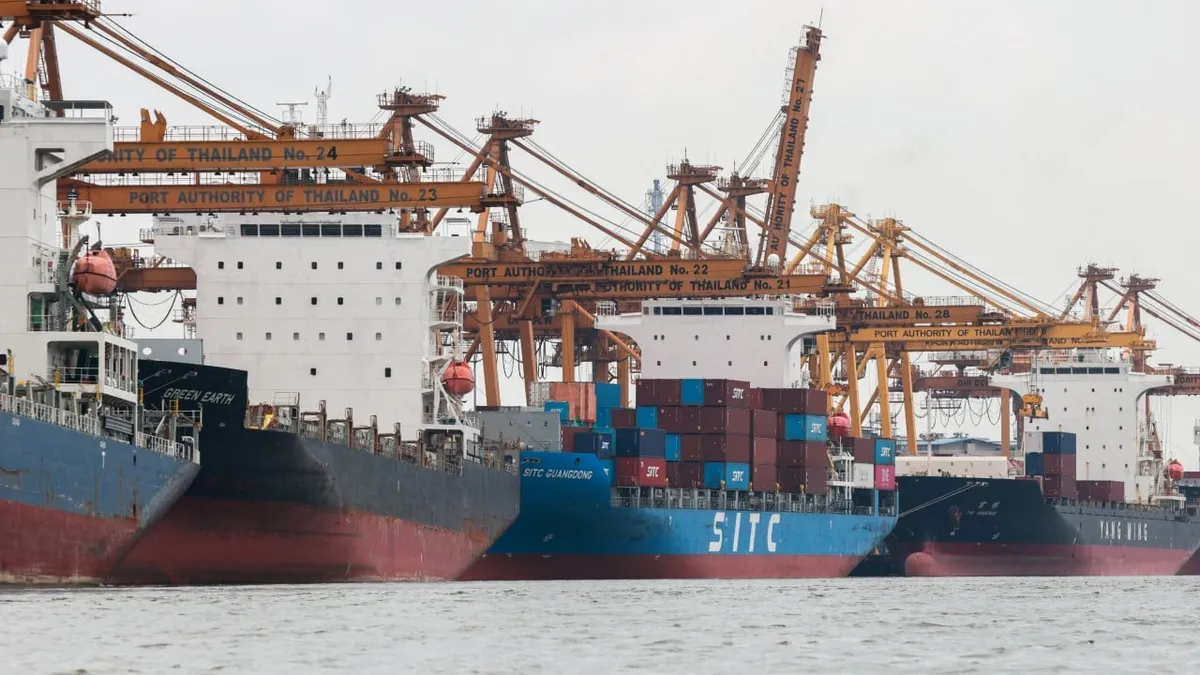
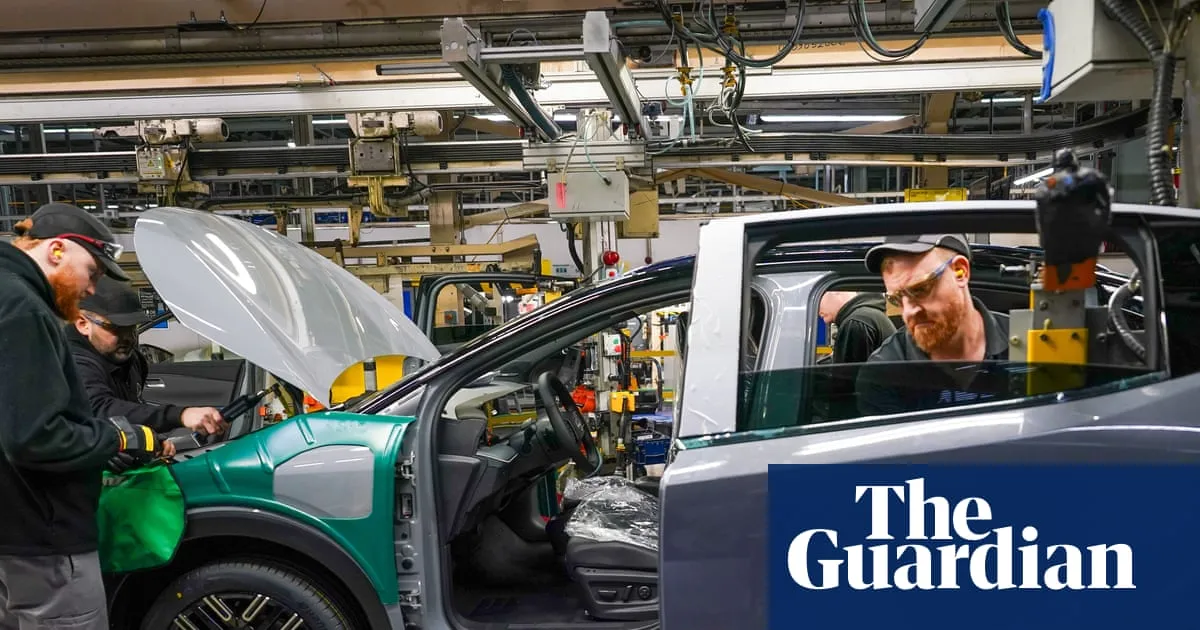
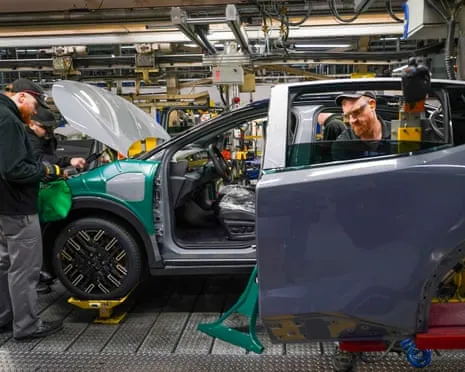
The steel sector is particularly exposed. New EU tariff structures could wallop British steelmakers who export to the continent, and the UK industry is already operating on thin margins after years of turbulence. Meanwhile, the 2027 EV rules would tighten requirements on battery origin and manufacturing - rules the UK automotive sector, which is still rebuilding post-Brexit supply chains, is not fully prepared to meet.
The 'R word' nobody wants to say
Nobody in Downing Street is calling this a reversal of Brexit. The framing is carefully 'reset' and 'pragmatic cooperation' - terms that do a lot of heavy lifting. But the direction of travel is unmistakable: Britain is methodically attempting to reconstruct, sector by sector, some of the frictionless economic access it gave up when it left the single market.
Whether Brussels will play ball is a separate question. The EU has historically insisted that closer access means accepting more EU rules - a dynamic that gave Westminster heartburn the first time around and presumably still does.
Still, with both sides facing shared economic headwinds and a geopolitical environment that makes transatlantic reliability feel less certain than it once did, there may be more appetite for pragmatic deals than at any point since 2016.
Steel and cars first. Presumably the rest of the awkward conversation to follow.
Source: The Guardian