Britain's Court of Appeal has ruled that the UK government acted within the law when it slapped a terrorist organization label on Palestine Action, the activist group known for dramatic direct-action protests, according to a report by ABC News.
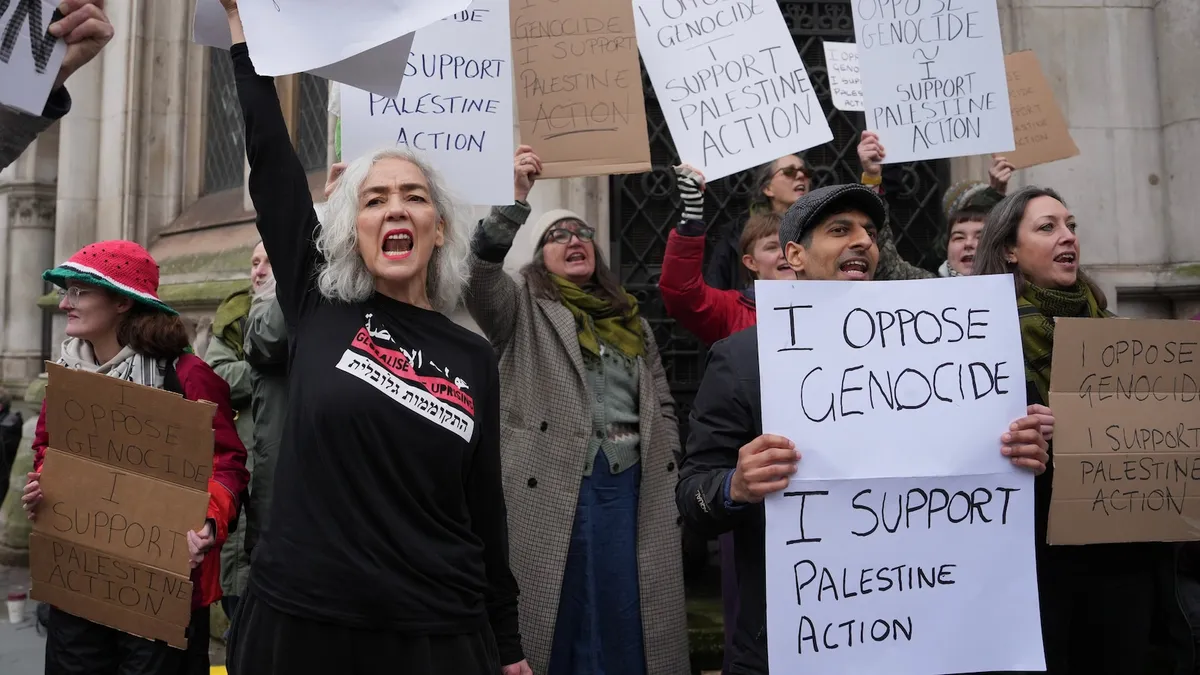
For those unfamiliar with the group, Palestine Action is not your average "hold a sign and go home" protest outfit. They have made headlines for storming factories, dousing machinery in red paint, and targeting companies they accuse of supplying weapons to Israel. Confrontational? Absolutely. Terrorist organization? That, apparently, is now a matter settled law in the UK.
What the court actually said
The Court of Appeal in London found that the British government's use of terror legislation to ban the group was lawful. This is a significant legal green light for the government's approach, which had been challenged by the group and its supporters who argued the designation was an overreach that criminalized legitimate protest activity.
The ruling essentially means that membership in Palestine Action, or even showing support for the group, could now carry serious criminal penalties under UK terrorism laws - the kind that carry substantial prison sentences.
Why this is a big deal
Civil liberties groups and free speech advocates have been watching this case very closely, and not in a relaxed, popcorn-munching kind of way. Critics of the ban argued that labeling a protest group - however disruptive - as a terrorist organization sets a chilling precedent for the right to dissent in the UK.
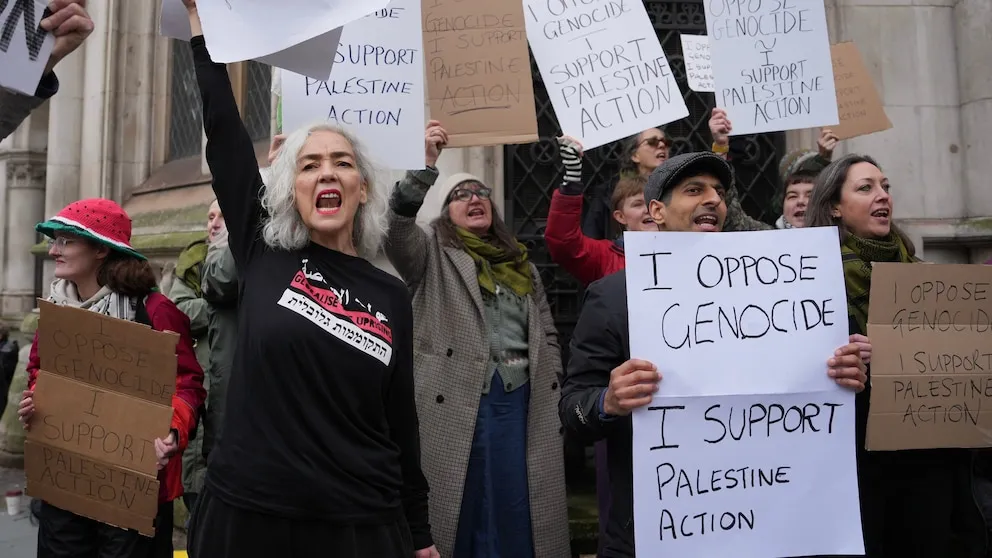
Supporters of the ban, on the other hand, pointed to the group's escalating direct actions as evidence that it had crossed a line beyond protected protest into something more dangerous.
Palestine Action maintained before and during the legal challenge that their actions targeted property, not people, and that framing them as terrorists was a politically motivated attempt to silence pro-Palestinian activism in Britain.
What happens next
With the Court of Appeal now backing the government's position, the legal options for the group to overturn the designation are narrowing. Members and supporters of Palestine Action currently face the prospect of prosecution simply for associating with or endorsing the organization.
Whether this ruling will deter the group's activities - or fuel a new wave of defiant action from its supporters - remains to be seen. If history with protest movements is any guide, the answer is probably not going to be a quiet one.
The case continues to stir fierce debate about where democratic societies draw the line between protecting public safety and protecting the right to raise very loud, very paint-covered objections.