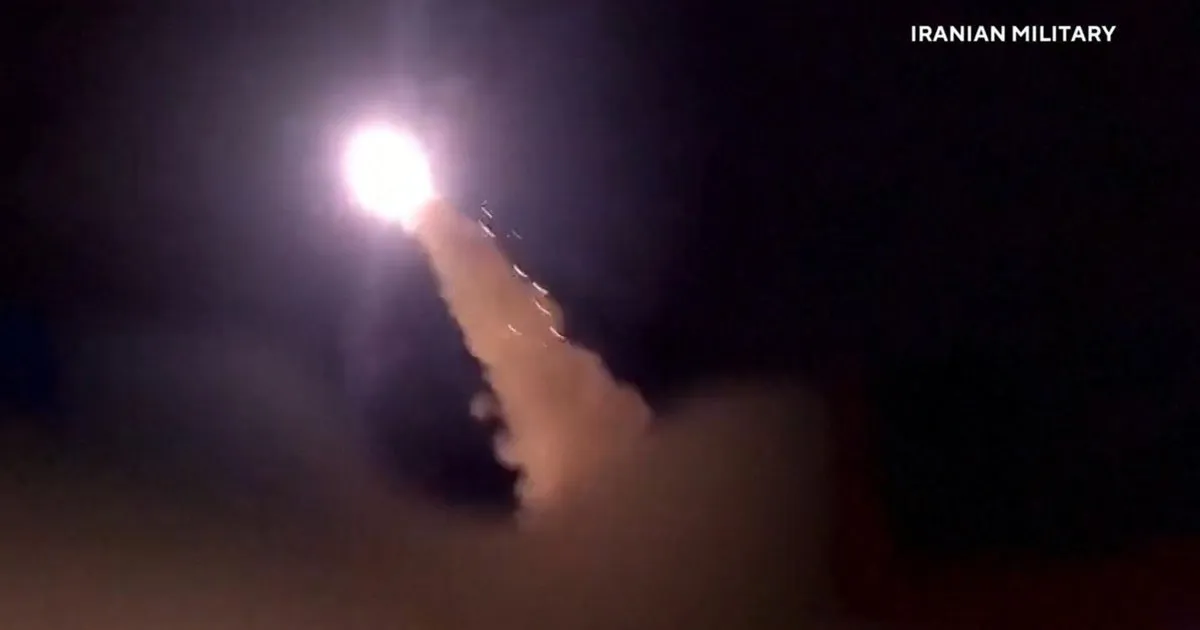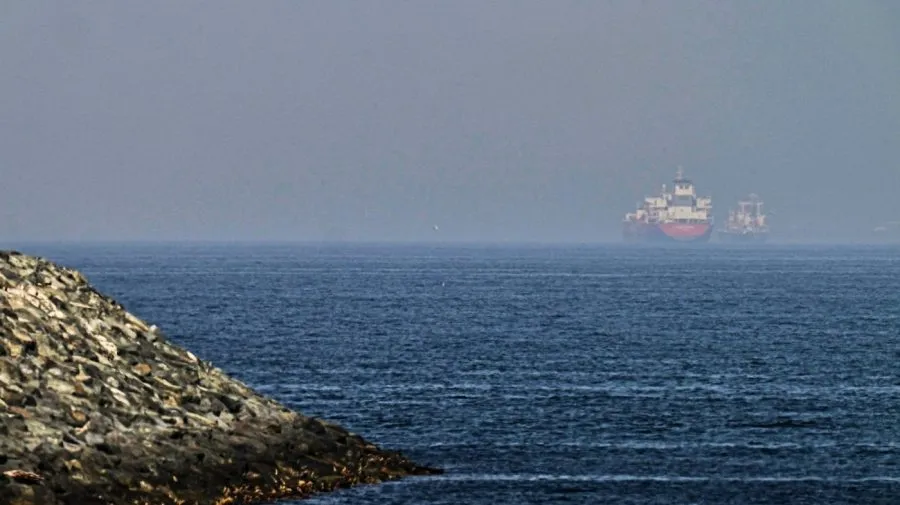
After nearly three months of conflict that has kept global oil markets in a state of low-key panic, the United States and Iran are reportedly edging toward a deal that could end hostilities and reopen one of the most strategically important waterways on Earth - the Strait of Hormuz.
According to reporting by The Hill, Iranian officials have traveled to Qatar to participate in talks aimed at hammering out an agreement. The negotiations come amid growing pressure on both sides, with the looming risk that if no deal is reached, things could get significantly worse before they get better.
What is actually on the table?
The broad strokes, as reported by The Hill, involve ending the ongoing military conflict and restoring freedom of navigation through the Strait of Hormuz - the narrow chokepoint through which roughly 20% of the world's oil supply flows. A closure of this waterway is essentially the geopolitical equivalent of sitting on the world's energy supply hose.
President Trump, in characteristically understated fashion, reportedly took to Truth Social to weigh in on the emerging proposal. The specifics of what he posted were not detailed in The Hill's summary, but it is safe to say it was not a haiku.
Why Qatar?
Qatar has long served as a back-channel diplomatic hub in Middle Eastern affairs, maintaining relationships with parties that often refuse to talk directly to each other. Its role here is consistent with its history of playing host to sensitive negotiations - think of it as the Switzerland of the Gulf, but with better air conditioning and significantly more sovereign wealth.
What could go wrong?
Quite a lot, actually. The Hill's reporting flags that hostilities could resume if neither side agrees to the latest emerging proposal on the table. Diplomatic negotiations at this level are famously fragile, and both the US and Iranian domestic political environments are not exactly screaming "let's compromise."
Iran's leadership has its own hardliners to manage, while Washington's foreign policy posture under Trump has historically operated on a "maximum pressure" doctrine that does not always leave a lot of room for nuanced off-ramps.
The bottom line
Nobody has signed anything yet. No deal is confirmed. But the fact that Iranian officials are in the same country as American diplomatic counterparts and apparently discussing the same piece of paper is, by the standards of US-Iran relations, practically a group hug.
The world's oil traders, shipping companies, and anyone who drives a car will be watching very closely.
Source: The Hill