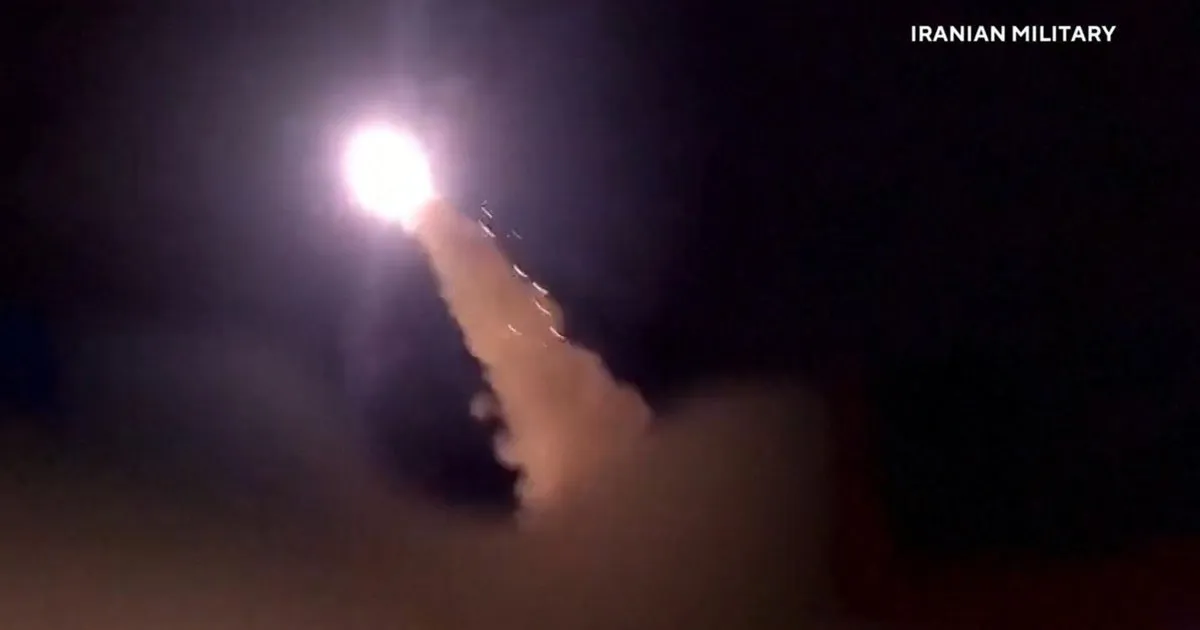
In what can only be described as the world's most chaotic diplomatic dance, the United States and Iran are reportedly trading military strikes while simultaneously hammering out a peace deal. Yes, you read that correctly. Bombs and olive branches, all at once.
According to CBS News, U.S. sources confirmed Thursday that a tentative memorandum of understanding has been reached between Washington and Tehran. The proposed agreement would establish a 60-day ceasefire and, crucially, reopen the Strait of Hormuz - one of the most strategically vital shipping lanes on the planet, through which roughly 20% of the world's oil supply passes.
So what exactly is on the table?
The reported deal is still awaiting sign-off from both President Trump and Iranian leadership, meaning it is far from a done deal. CBS News correspondent Imtiaz Tyab broke down the details, noting that both sides appear to be engaging in a particularly intense version of negotiating from a position of strength - which, in this case, apparently involves actual munitions.
The Strait of Hormuz has long been Iran's go-to pressure point whenever tensions with the West spike. Closing or threatening to close it sends oil markets into a panic and gives Tehran significant geopolitical leverage. A formal agreement to keep it open would be a meaningful win for global trade and energy markets.
The audacity of hoping while also shooting
The optics here are genuinely extraordinary. Diplomacy and military action are usually treated as sequential - you stop the fighting, then you talk. What appears to be happening here is a simultaneous approach that would give any foreign policy textbook a migraine.
Whether this represents a bold, unconventional path to de-escalation or simply two governments doing contradictory things at the same time is, frankly, a matter of interpretation.
What is confirmed, per CBS News sourcing, is that the memorandum of understanding exists in some tentative form and is now sitting on the desks of decision-makers in both Washington and Tehran. What happens next depends entirely on whether the people holding the pens can outrun the people pressing the launch buttons.
The world, predictably, is watching very closely - and probably checking gas prices.