In what may be the most nerve-wracking game of 'we're almost there, just five more minutes' in modern geopolitical history, U.S. Vice President JD Vance confirmed this week that Washington and Tehran are 'very close' to a deal - but emphatically 'not there yet.' Because apparently even nuclear diplomacy runs on vague timelines, like a contractor promising to finish your bathroom renovation.
According to CBS News, both sides have acknowledged that no agreement has been finalized, even as the diplomatic temperature continues to rise faster than a Middle Eastern summer. Vance's comments came amid a broader backdrop of genuine regional chaos: the Strait of Hormuz, one of the most strategically critical maritime chokepoints on the planet, remains gridlocked, and conflict in Lebanon continues to grind on with no clear end in sight.
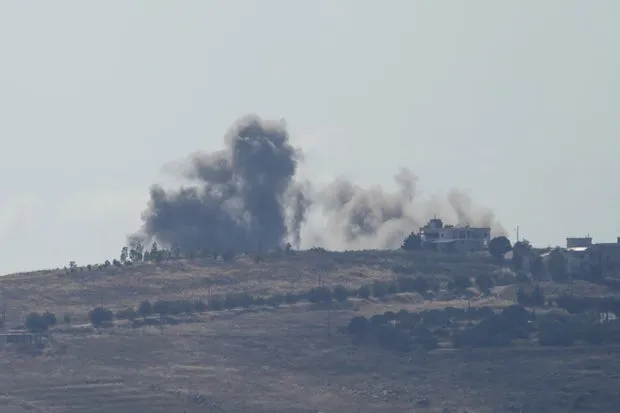
So what exactly are they negotiating?
The talks are centered on Iran's nuclear program - a saga that has been running longer than most prestige TV shows and with considerably less resolution. The U.S. wants limits on Iran's uranium enrichment. Iran wants sanctions relief and, you know, to not be perpetually threatened with military action. Neither side is willing to fully blink first, which is what makes 'very close' such a wonderfully meaningless phrase in this context.
Iran's own officials have echoed the 'no deal yet' sentiment, confirming that while conversations are happening, nothing is signed, sealed, or delivered. Think of it as two people agreeing a restaurant sounds good, but still arguing over which one.
Why the Strait of Hormuz matters - a lot
For those who skipped geography, the Strait of Hormuz is the narrow waterway through which roughly 20% of the world's oil supply passes. When it gets tense in that corridor, global energy markets do not take it calmly. The current gridlock there is not just a regional inconvenience - it's the kind of thing that makes oil traders and airline executives simultaneously reach for antacids.
The Lebanon complication
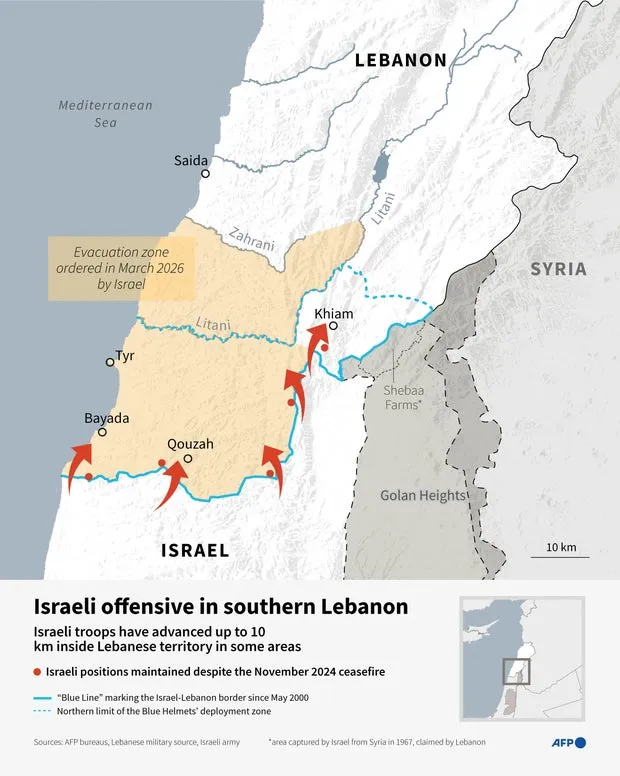
Adding even more pressure to the negotiations is the ongoing conflict in Lebanon, which complicates Iran's regional posture and gives U.S. negotiators additional leverage - or headaches, depending on who you ask. Hezbollah's ties to Tehran mean any deal with Iran carries implications well beyond the nuclear file.
Whether 'very close' turns into an actual agreement or just another round of carefully worded non-commitments remains to be seen. But for now, the world's most anxious diplomatic slow-burn continues - and we're all just along for the ride.