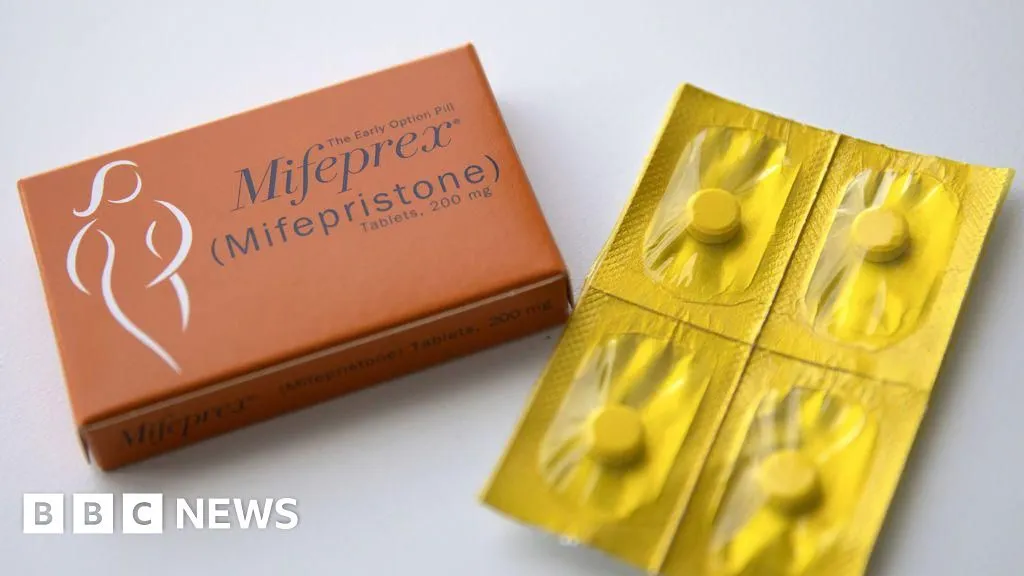
A United States federal court has issued a ruling restricting mail-order access to mifepristone, the medication used in the majority of abortions performed across the country, according to a report by the BBC.
Mifepristone is the primary drug used in medication abortions, which have become the most common method for ending a pregnancy in the US. The court decision places new limits on how the drug can be distributed, specifically targeting its availability through mail-order pharmacy channels.

What the ruling means
The decision represents a significant development in the ongoing legal battles surrounding abortion access in the United States following the Supreme Court's 2022 overturning of Roe v. Wade. Mail-order distribution of mifepristone had expanded access to medication abortions, particularly in states where in-person clinic access is limited or where abortion restrictions are in place.

Medication abortion typically involves a two-drug regimen - mifepristone followed by misoprostol - and is approved by the US Food and Drug Administration for use up to 10 weeks of pregnancy. The FDA had previously expanded access to the drug by allowing it to be prescribed via telemedicine and dispensed through certified mail-order pharmacies.

Broader context
The ruling adds to a complex and shifting legal landscape around abortion access in the US. Since the fall of Roe v. Wade, numerous states have enacted restrictions or outright bans on abortion, while others have moved to protect or expand access. Medication abortion had increasingly become a workaround for patients in restrictive states, with some obtaining prescriptions through providers located in states where abortion remains legal.
Reproductive rights advocates have argued that restricting mail-order access to mifepristone will disproportionately affect people in rural areas and states with limited clinic availability. Opponents of expanded mifepristone access have long sought tighter restrictions on the drug's distribution, arguing for stricter oversight of its use.
The case is expected to have wide-reaching implications for how medication abortions are accessed across the country, and further legal challenges are anticipated. The BBC reported the ruling as part of ongoing coverage of US abortion policy developments.