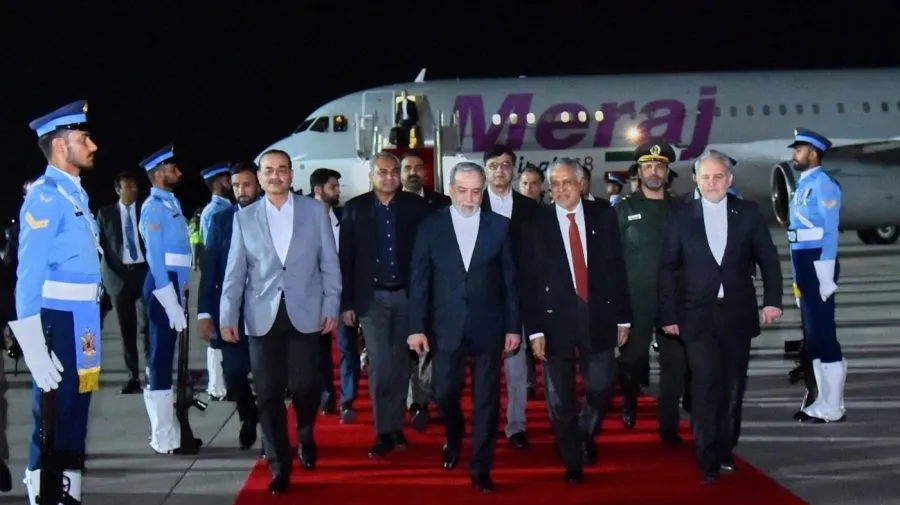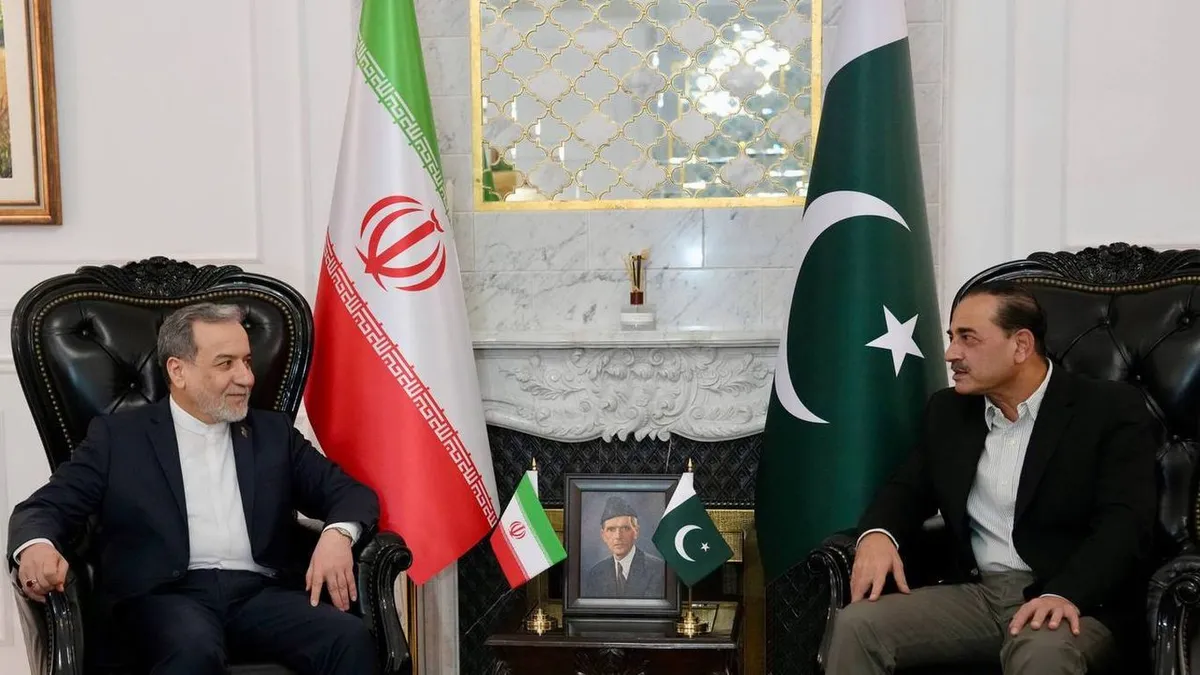
Iran has delivered a formal response to the latest U.S. amendments to a draft peace agreement, according to a regional source who confirmed the development to Axios. Iranian state media also reported on the communication, which was transmitted through Pakistani mediators on Thursday.
The exchange represents a signal that diplomatic channels between Washington and Tehran have not completely broken down, even as the two countries remain in a state of heightened military confrontation. President Donald Trump has maintained a U.S. naval blockade and, according to Axios, is considering further military action against Iran.
Back-and-forth diplomacy
The latest response follows an earlier Iranian proposal delivered to the U.S. last weekend, suggesting both sides have been engaged in a sustained, if cautious, exchange of draft terms. The use of Pakistani intermediaries reflects the absence of direct diplomatic relations between the United States and Iran.
The specific contents of Iran's latest response have not been publicly disclosed by either government. It remains unclear how closely Tehran's position aligns with the U.S. amendments, or what the principal points of contention are in the draft framework.
Pressure on both sides
The diplomatic back-and-forth is taking place against a backdrop of significant military and economic pressure. The U.S. naval blockade, maintained under the Trump administration, represents one of the most direct forms of coercive pressure Washington has applied to Tehran in recent years.
At the same time, the continued diplomatic signaling from Iran suggests the country's leadership sees value in keeping a potential deal on the table, even as it faces that external pressure.
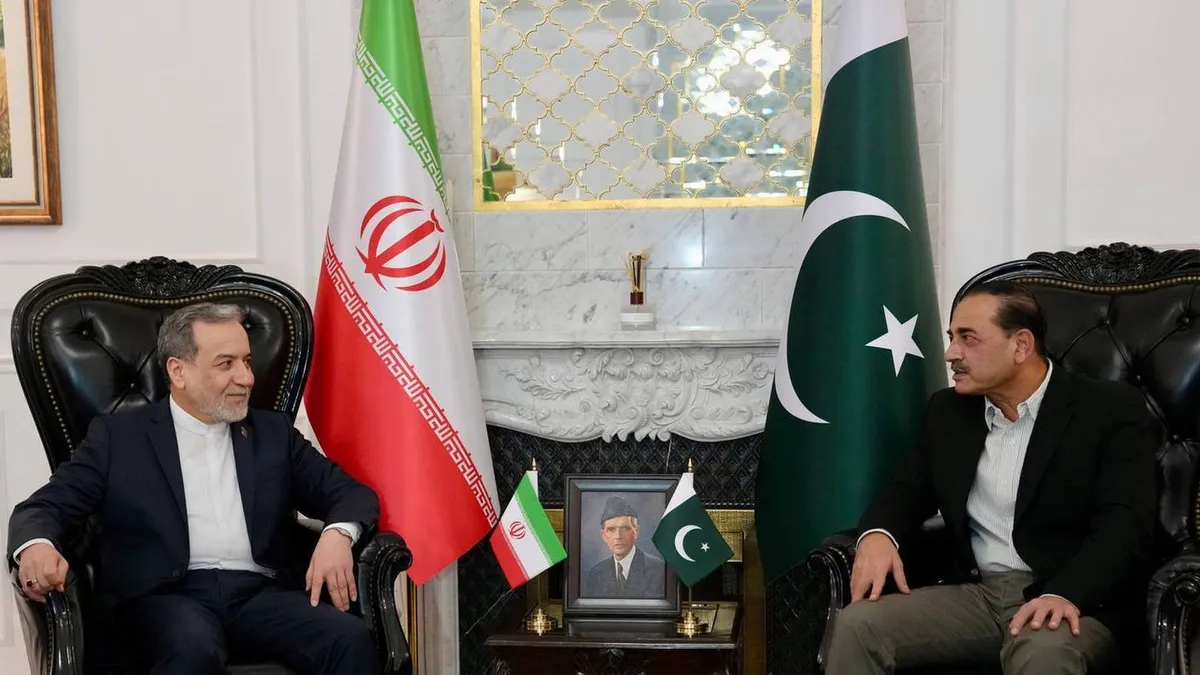
The involvement of Pakistan as a mediating party is notable. Islamabad has historically sought to maintain workable relationships with both Washington and Tehran, positioning itself as a potential bridge between the two adversaries.
What comes next
It is not yet known whether the U.S. will respond to Iran's latest communication, or on what timeline further negotiations might proceed. The Trump administration has not made public statements detailing its reaction to Thursday's development.
The situation remains fluid, with diplomatic progress occurring in parallel with ongoing military posturing - a dynamic that analysts have previously described as characteristic of U.S.-Iran interactions during periods of peak tension.