Hopes for a breakthrough in the conflict between the United States and Iran have dimmed further, with both sides showing no willingness to moderate their positions or engage in substantive negotiations, according to reporting by The Guardian.
The standoff, now approaching two months, has persisted despite significant diplomatic activity across the region. Neither Washington nor Tehran has indicated readiness to make concessions, and no formal negotiations are currently scheduled that could move toward a resolution.
A hardening stalemate
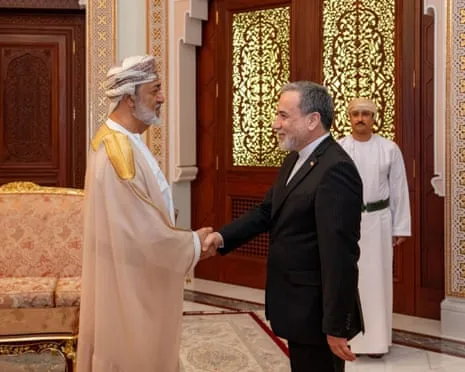
The absence of any diplomatic framework is a central concern for regional actors and international observers. Intense behind-the-scenes engagement by intermediaries has so far failed to produce results, and the rhetoric from both capitals remains uncompromising.
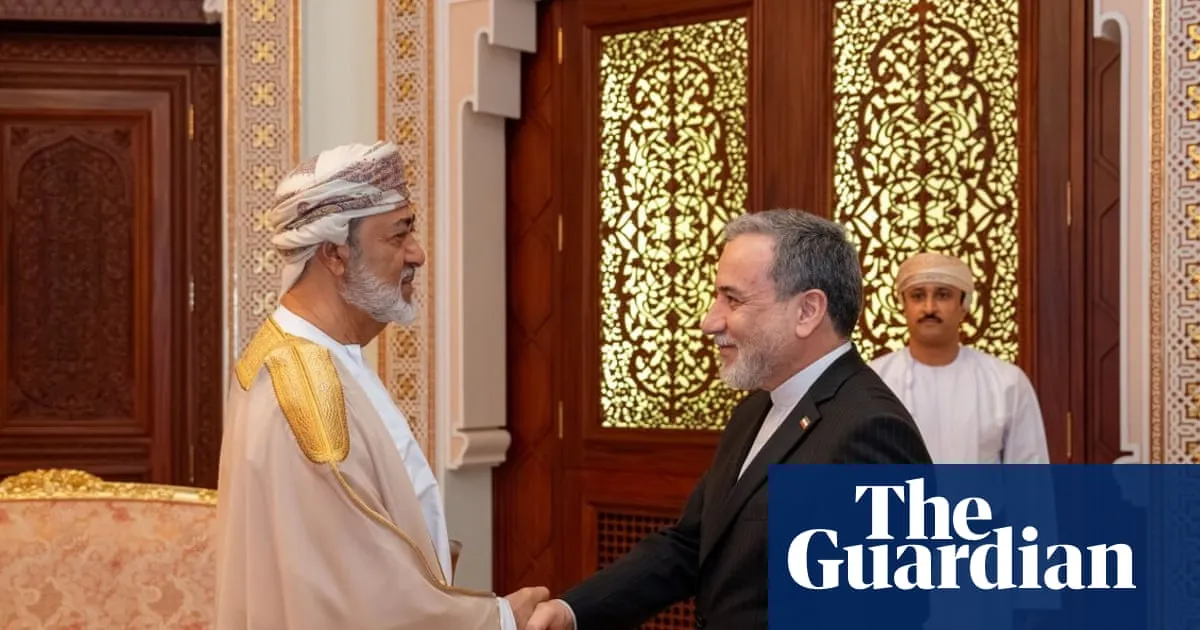
The situation reflects a broader pattern in which regional diplomacy - often conducted through third-party nations - has struggled to bridge the gap between two powers with deeply entrenched positions. Neither government has publicly signaled a shift in its stated conditions for any potential talks.
Regional implications
The prolonged deadlock carries significant consequences for the wider Middle East, a region already navigating a series of overlapping crises. Analysts have noted that without a clear diplomatic pathway, the risk of further escalation remains elevated.
Neighboring governments and international institutions have stepped up engagement in recent weeks, hoping to create the conditions for dialogue. Those efforts have not yet translated into concrete progress, according to The Guardian's reporting.
The lack of scheduled negotiations marks a notable contrast with earlier phases of the conflict, when some diplomatic channels remained at least nominally open. As of Sunday, both sides appeared firmly entrenched, with no immediate indication that the trajectory would change in the near term.