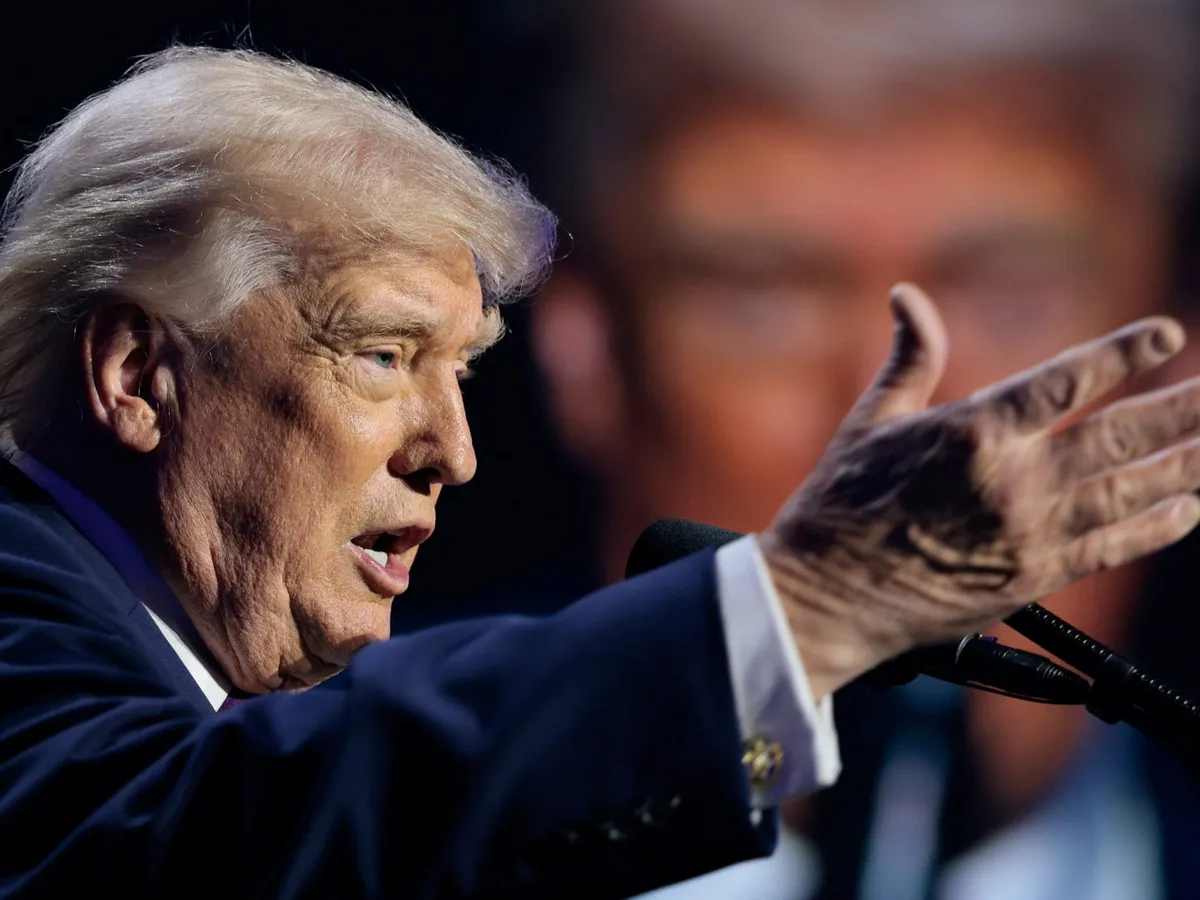
In what sounds like a deleted scene from a very aggressive action movie, US President Donald Trump announced that American forces seized an Iran-flagged cargo ship called the Touska by, in his own words, "blowing a hole" in its engine room. The ship was reportedly attempting to pass through a US-enforced blockade near the Strait of Hormuz, according to reporting by Al Jazeera.
For those not glued to a geopolitical map, the Strait of Hormuz is one of the most strategically critical maritime chokepoints on the planet - roughly 20% of the world's oil passes through it. So yes, this is a big deal, and the US apparently wanted to make that point in the most literal, hole-punching way possible.
What we actually know
According to Trump's statements as reported by Al Jazeera, US forces intercepted the Touska as it attempted to navigate past the blockade. The method of stopping the vessel - damaging its engine room - is a notably aggressive form of interdiction that goes well beyond standard maritime stop-and-search procedures.
It is worth noting that these are claims made by Trump himself. Independent verification of the specific details, including the exact condition of the vessel and the circumstances of the interception, had not been fully confirmed by outside sources at the time of reporting.
Why this matters (a lot)
The Strait of Hormuz is Iran's economic jugular. Any blockade or significant military action in that corridor carries enormous implications - not just for Iran, but for global energy markets and regional stability. A US naval presence enforcing restrictions in those waters is the kind of escalation that makes diplomats break out in cold sweats and oil traders reach for their phones.
Iran has long considered the Strait of Hormuz within its sphere of influence and has previously threatened to close it during periods of heightened tension with the West. The seizure of the Touska - if confirmed as described - represents a dramatic hardening of the US posture in the region.
The bigger picture
This incident arrives against a backdrop of ongoing US-Iran tensions over Tehran's nuclear programme, with negotiations and threats trading places in the headlines on what feels like a weekly basis. A naval confrontation of this nature, however it is ultimately characterised, is a significant escalation in physical terms - not just rhetorical ones.
Whether this is the beginning of something larger or a one-off show of force remains to be seen. But one thing is certain: someone is going to need a very good ship mechanic.