The United States is moving forward with plans to establish a high-tech industrial zone in the Philippines that would operate under US common law despite being located on Philippine territory, according to reporting by the South China Morning Post.
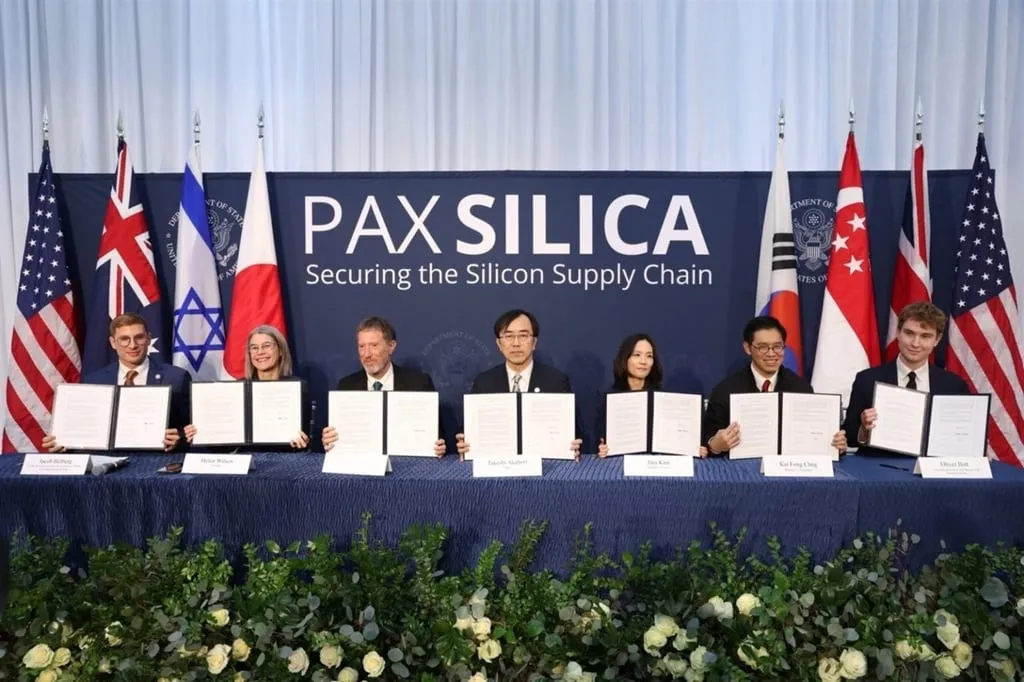
The proposed facility, spanning roughly 4,000 acres (1,619 hectares), is described as the first "AI-native investment acceleration hub" developed under the US-led Pax Silica initiative - a framework designed to rally allied economies around critical and emerging technologies.
What is Pax Silica?
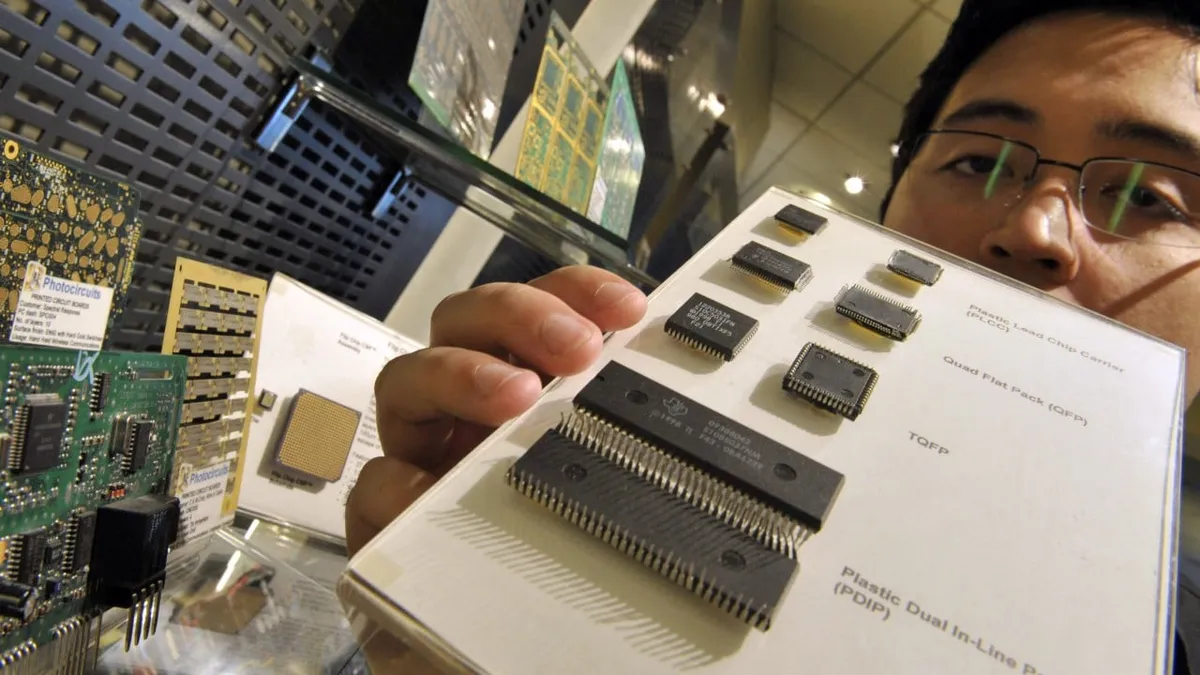
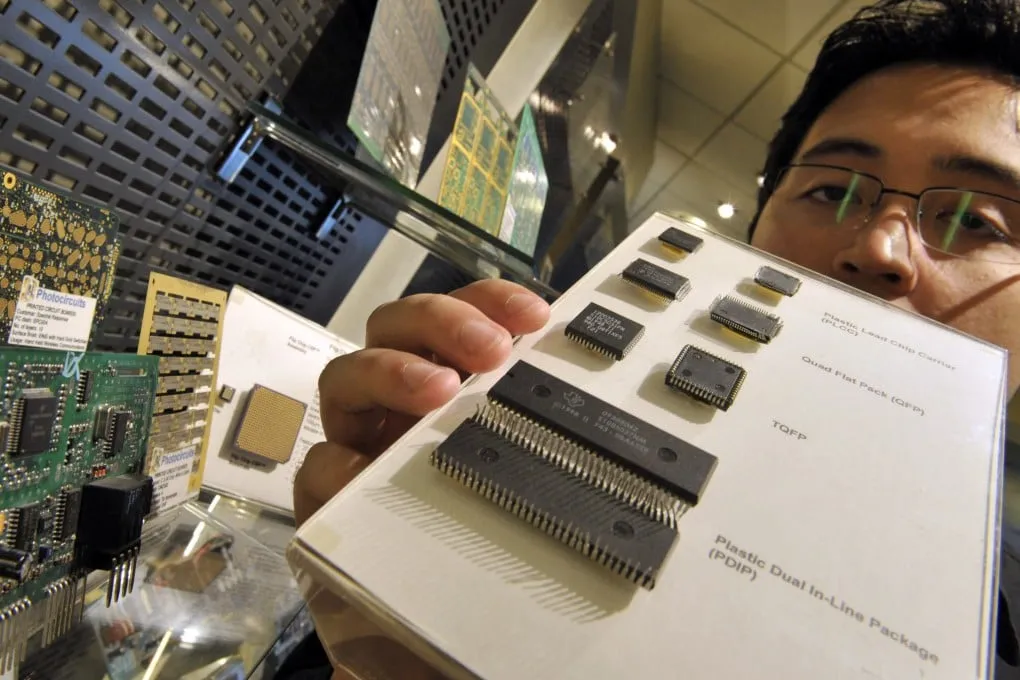
Pax Silica is a US-backed strategic framework aimed at countering China's growing influence in sectors such as semiconductors, artificial intelligence, and other critical technologies. The Philippines hub would serve as the initiative's flagship project and, if completed, would represent an unprecedented model of economic governance - a foreign-operated industrial zone functioning under a separate legal system within a sovereign nation.
Washington has framed the project as an "economic security zone," signaling that its objectives extend beyond commercial investment into the realm of geopolitical strategy. The broader goal, as described, is to mobilize allied economies and reduce dependence on Chinese supply chains in technology manufacturing.
The Philippines as a manufacturing hub
The Philippines has attracted growing interest from technology investors in recent years, partly due to its relatively low labor costs, English-speaking workforce, and geographic position in Southeast Asia. Proponents of the zone argue it could position the archipelago as a meaningful player in the global semiconductor and technology supply chain.
However, the arrangement raises significant questions about sovereignty and jurisdiction. Operating a large-scale industrial zone under the legal framework of a foreign government - even an ally - would be a legally and politically complex undertaking, and details on how Philippine law would interact with US common law within the zone have not been fully disclosed.
Strategic context
The initiative comes amid intensifying competition between Washington and Beijing over control of critical technology supply chains. Semiconductors in particular have become a focal point of US foreign policy, with the Biden and Trump administrations both enacting measures to limit China's access to advanced chips and manufacturing equipment.
By establishing a presence in Southeast Asia under a US legal and governance framework, Washington appears to be seeking not only economic diversification but also a more direct form of influence over technology production in a strategically sensitive region.
Neither the US nor Philippine governments have issued detailed official statements on the timeline or legal structure of the project, and key aspects of the arrangement remain unclear, the South China Morning Post noted.