
Two of the United States Congress's most senior defense figures have publicly criticized Germany's planned reduction of American troops stationed on its soil, warning the move could undermine Western deterrence against Russia.
The chairs of both the Senate and House armed services committees raised concerns about a reported plan to withdraw approximately 5,000 U.S. service personnel from Germany, according to reporting by the BBC. The two Republican lawmakers argued the reduction sends a damaging message to Moscow at a critical moment for European security.

The criticism reflects broader tensions within NATO over burden-sharing and the credibility of the alliance's military posture as the war in Ukraine continues. U.S. troops stationed in Germany form a significant component of the American military presence in Europe, which was bolstered following Russia's full-scale invasion of Ukraine in February 2022.
Deterrence concerns
The Republican committee chairs framed their objections primarily around the concept of deterrence - the idea that a credible military presence discourages adversaries from taking aggressive action. Reducing troop numbers, they argued, could be interpreted by Russia as a sign of weakening resolve among Western allies.
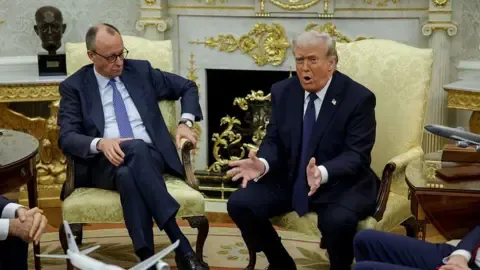
The planned cuts have not been formally announced by either the U.S. or German governments, and the full details of any proposed changes to force posture remain unclear based on available reporting.
A complicated alliance dynamic
The public rebuke from Republican lawmakers adds a domestic political dimension to what has already been a complex period in U.S.-European defense relations. Republican figures, including former President Donald Trump, have repeatedly pressured NATO allies to increase their own defense spending and reduce reliance on American military resources.

Germany has made commitments to raise its defense budget toward the NATO target of two percent of gross domestic product, though it has faced criticism in the past for falling short of alliance benchmarks.
The concerns raised by the two committee chairs align with a broader pattern of Republican skepticism toward moves that could be seen as reducing American leverage or presence in Europe, even as some in the party have also called for a recalibration of the U.S. role in NATO.
Neither the Pentagon nor the German government had issued a formal public response to the lawmakers' statements at the time of reporting, according to the BBC. The situation is likely to draw further scrutiny from defense analysts and alliance partners watching for signals about the future of U.S. military commitments in Europe.