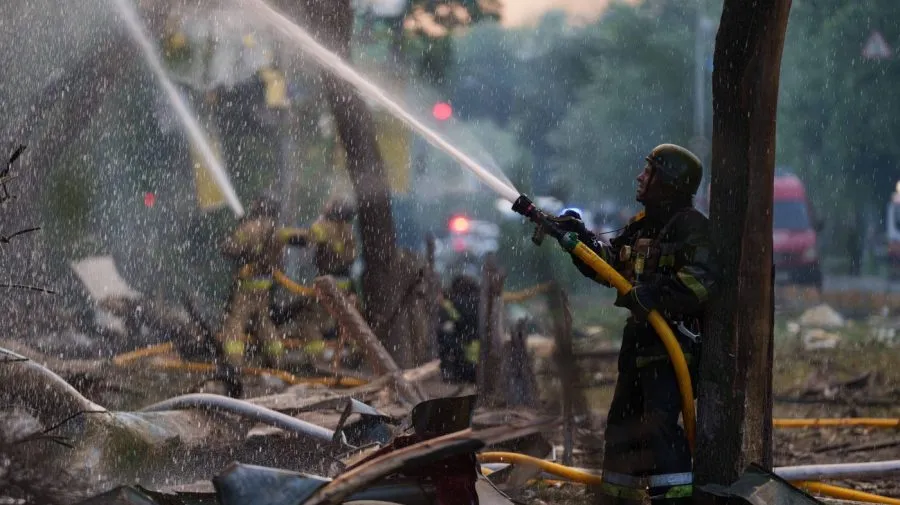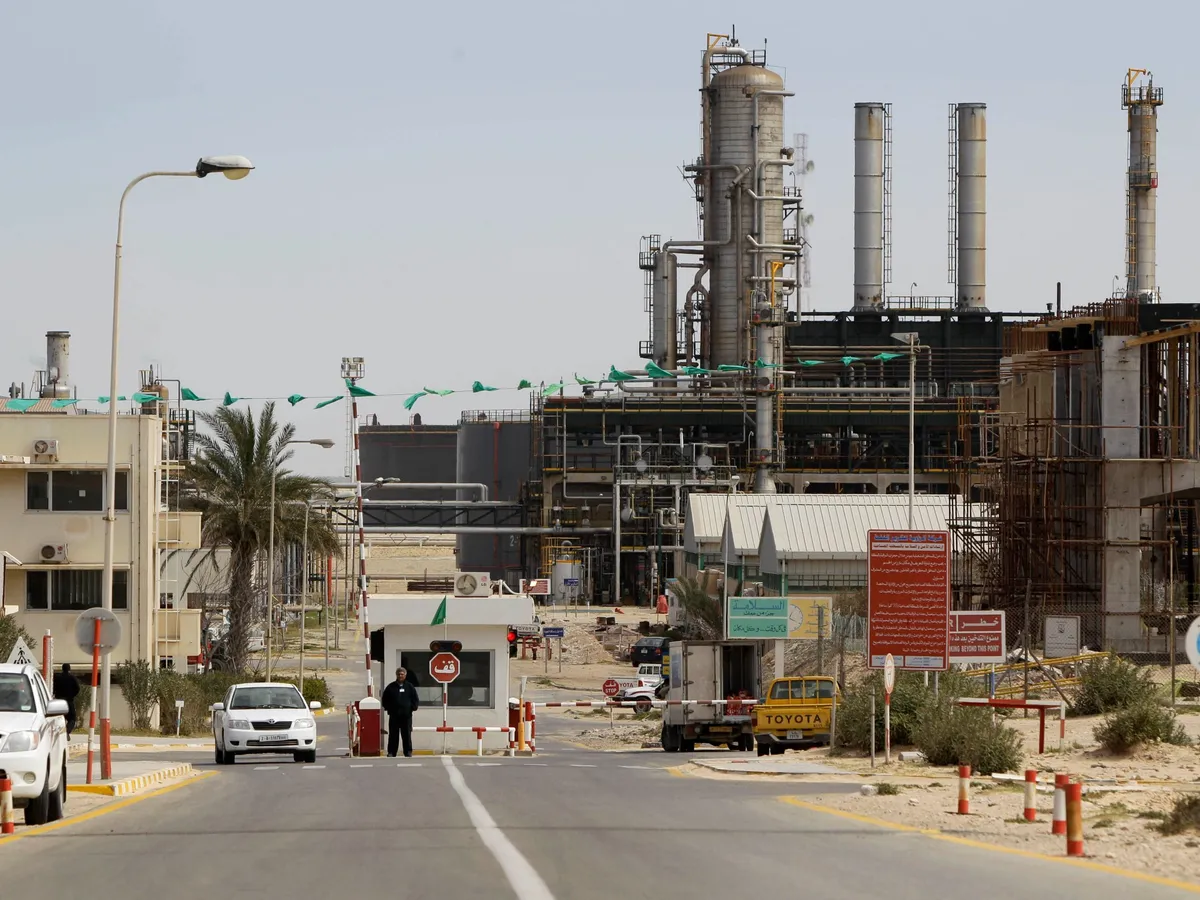
Nothing says "bad day at the office" quite like your workplace declaring a state of emergency because there are explosions happening nearby. Libya's largest oil refinery, the Zawiya facility, has suspended all operations after fighting erupted in its vicinity, according to reporting by Al Jazeera.
What actually happened
The Zawiya refinery - the crown jewel of Libya's domestic fuel production - went into full shutdown mode after explosions and gunfire were reported in the surrounding area. Officials described the halt as a "precautionary measure," which is the kind of diplomatic understatement that deserves a golf clap. An emergency was declared following the violence, prompting the facility to pull the plug on operations entirely.
The refinery is a critical node in Libya's energy infrastructure. Losing it, even temporarily, sends ripples far beyond just the oil sector - it affects fuel supply for ordinary Libyans who already navigate a notoriously fragile economy.
Why this matters beyond the obvious "guns near oil = bad" equation
Libya has been in a state of chronic political and military fragmentation since the fall of Muammar Gaddafi in 2011. The country remains split between rival governments and armed factions, and critical infrastructure has repeatedly been caught in the crossfire - sometimes literally. Oil facilities in particular have become bargaining chips in the country's endless power struggles.
The Zawiya refinery sits west of Tripoli, in a region that has seen its share of factional clashes over the years. Any disruption there doesn't just hurt Libya's oil output numbers - it squeezes local fuel availability in an already stressed supply environment.
The bigger picture
Libya holds Africa's largest proven oil reserves, making stability in its energy sector a concern that extends well beyond its borders. International oil markets, neighboring countries dependent on Libyan exports, and ordinary Libyans waiting at fuel stations all have a stake in how quickly the situation stabilizes.
For now, the refinery remains offline. Whether this is a short pause or the beginning of a longer disruption depends entirely on how the fighting around it plays out - a variable that, in Libya's current political climate, nobody can predict with any confidence.
Al Jazeera reported on the shutdown on May 8, 2026, citing the emergency declaration and precautionary closure of the facility.