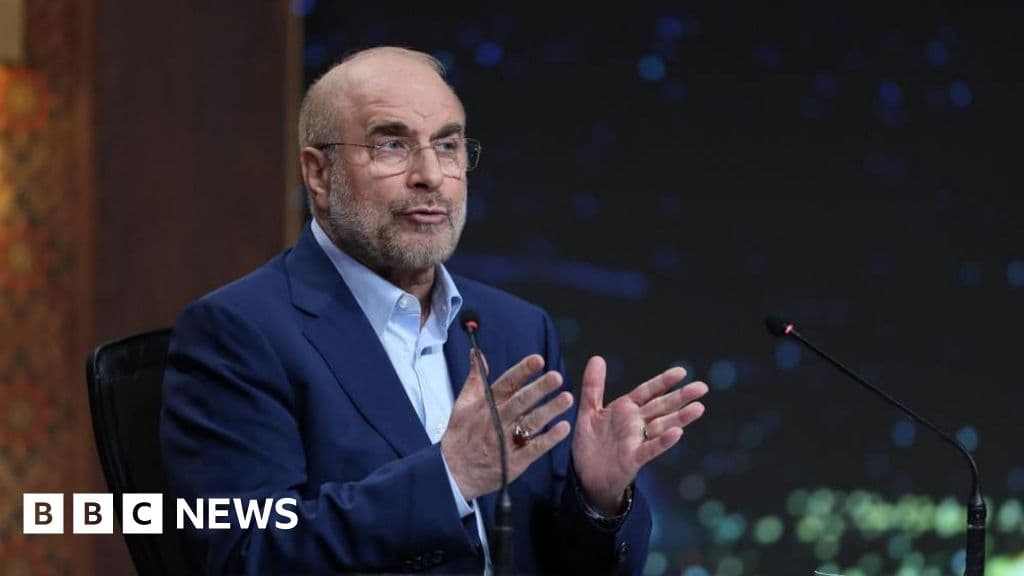
Planned face-to-face talks between US Vice President JD Vance and Iranian parliament speaker Mohammad Bagher Ghalibaf would represent the highest-level direct engagement between Washington and Tehran since Iran's 1979 Islamic Revolution, according to reporting by the BBC.
The prospective meeting comes amid longstanding tensions between the two countries, which have had no formal diplomatic relations for more than four decades. Any direct high-level contact would mark a significant departure from the near-total estrangement that has defined US-Iran relations since the revolution and the subsequent hostage crisis.
Deep divisions to overcome
Analysts and officials cited by the BBC warn that the talks face substantial obstacles rooted in decades of accumulated grievances on both sides. Iran and the United States have repeatedly clashed over issues including Iran's nuclear program, its regional influence through proxy groups, US economic sanctions, and broader questions of sovereignty and security.
For Washington, central concerns include Iran's uranium enrichment activities and what US officials describe as destabilizing behavior across the Middle East. Iranian leaders, in turn, have long accused the United States of interference in Iranian affairs and of waging economic warfare through sweeping sanctions that have severely strained Iran's economy.
Significance of the format
The significance of the proposed talks lies not only in their potential subject matter but in their very format. Direct, high-level bilateral dialogue between the two governments has been extraordinarily rare. Past negotiations over Iran's nuclear program, including those that produced the 2015 Joint Comprehensive Plan of Action, were conducted through multilateral frameworks involving European powers, Russia, and China - with the US and Iran rarely engaging one-on-one at senior levels.
A direct vice-presidential level meeting would therefore signal a meaningful shift in approach, regardless of the outcomes produced.
Cautious expectations
Observers quoted by the BBC urge caution about expectations, noting that the structural distrust between the two governments is deep and not easily overcome in a single engagement. Domestic political pressures in both countries - hardliners in Tehran and political opponents of diplomatic outreach in Washington - could complicate any movement toward sustained dialogue.
The BBC has not confirmed a final date or location for the talks as of the time of its reporting. The outcome of any preliminary contacts is likely to be watched closely by regional powers including Israel, Saudi Arabia, and the Gulf states, all of which have significant interests in the state of US-Iran relations.