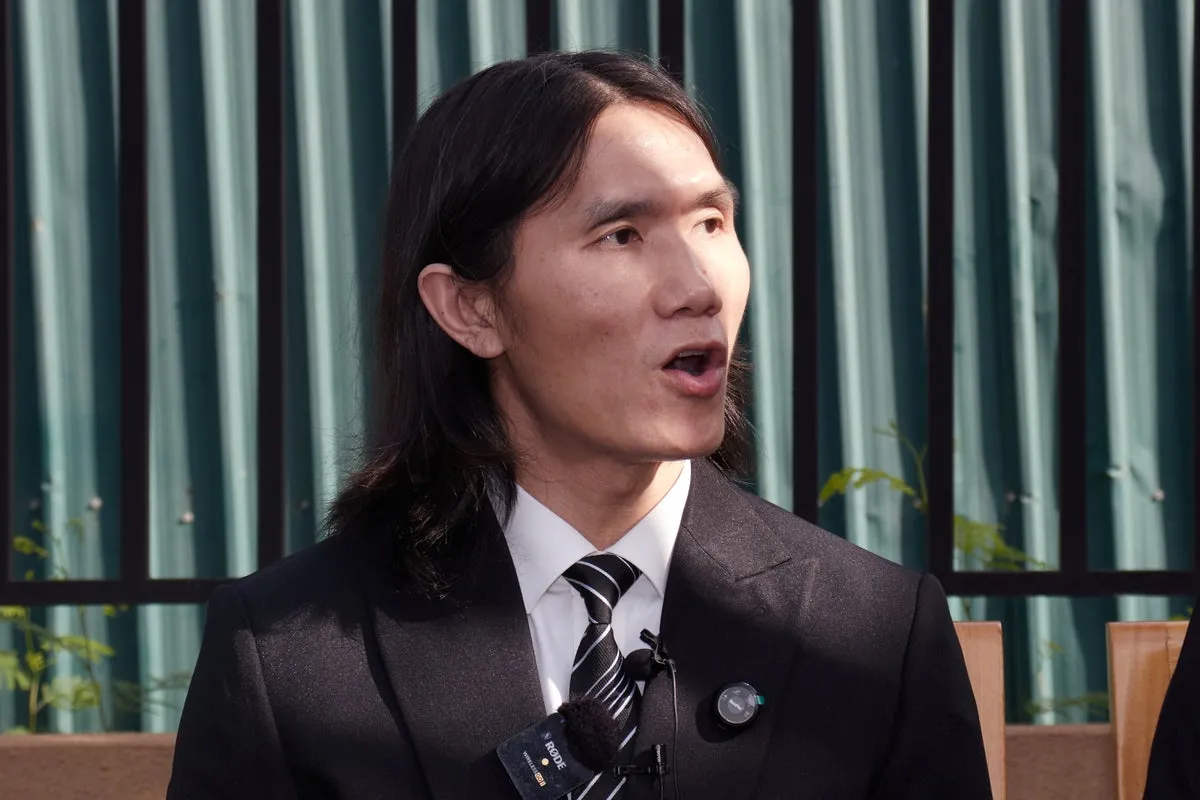
In what sounds like the premise of a geopolitical dark comedy, a Vietnamese man named Tuan Pham has returned to Vietnam after being deported to South Sudan - a country he had presumably never set foot in and which shares approximately zero cultural, linguistic, or geographic connection with his homeland.
According to reporting by The Independent, Pham was one of eight Vietnamese men sent to South Sudan in May 2025 under a Trump administration deportation program. The program, which critics called legally dubious and logistically baffling, involved sending migrants to third-party countries rather than directly to their countries of origin - a strategy the administration pursued partly to pressure nations into accepting deportees.

So... why South Sudan?
That is an excellent question. South Sudan is currently ranked among the world's most fragile states, dealing with ongoing civil conflict, a humanitarian crisis, and infrastructure that makes "rough around the edges" sound like a generous understatement. Sending Vietnamese nationals there was widely condemned by human rights organizations as dangerous and potentially unlawful.
Pham's case drew significant attention both in Vietnam and among immigration advocates in the United States, who argued the deportations violated due process protections and exposed individuals to serious harm in countries they had no ties to whatsoever.
The return home
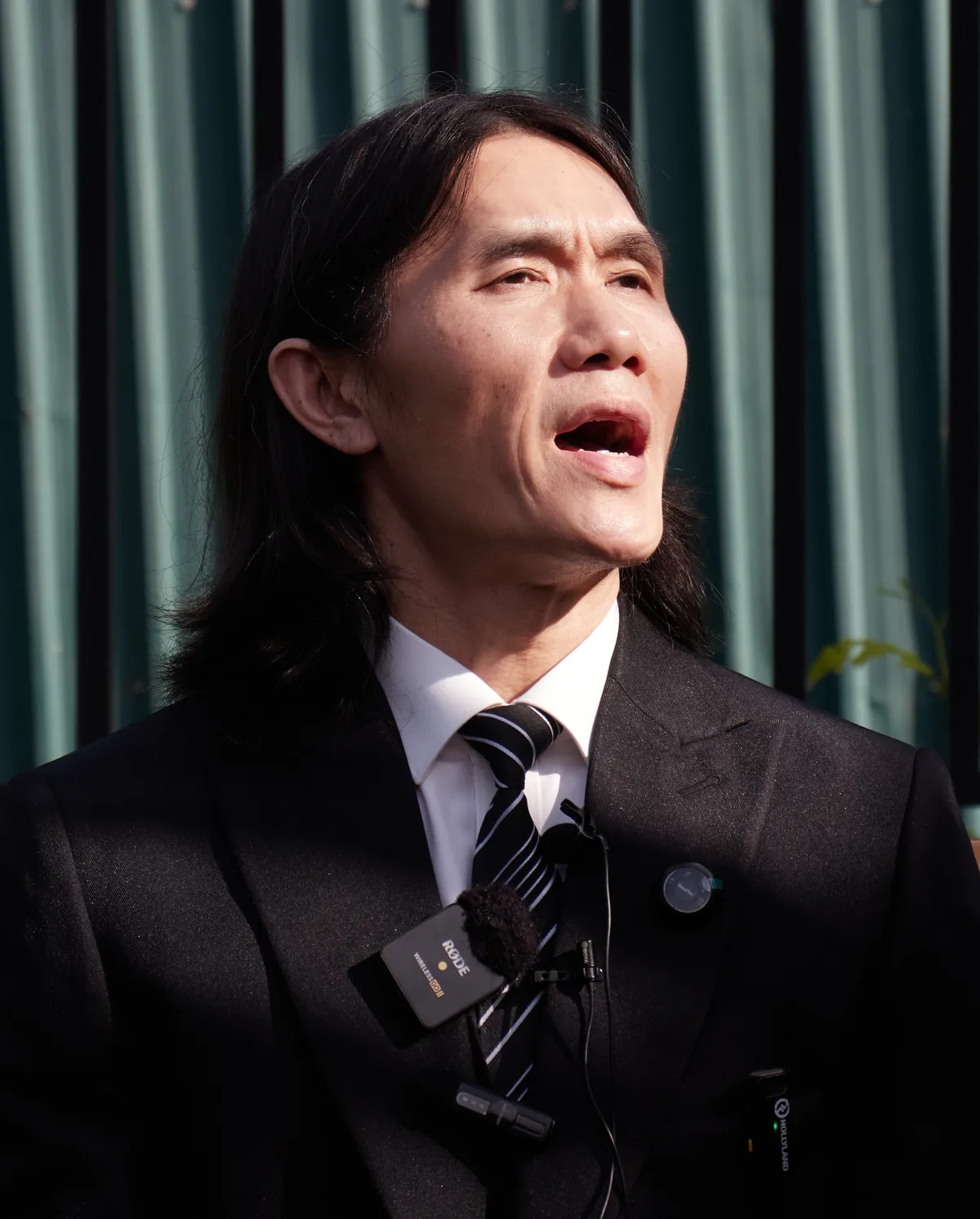
Pham has now returned to Vietnam, according to The Independent, though the full details of how that was arranged - and what conditions he and the other seven men experienced during their time in South Sudan - remain murky. The fate of the other seven men deported alongside him was not fully detailed in available reports at the time of writing.
The broader program itself has faced legal challenges in U.S. courts, with judges scrutinizing whether the administration has the authority to deport individuals to countries other than their own without adequate legal safeguards.
The bigger picture
This case is not an isolated quirk. The Trump administration pursued aggressive third-country deportation arrangements with several nations, including El Salvador and Rwanda, as part of a sweeping immigration crackdown. Vietnam, which has a complex diplomatic relationship with Washington, had been slow to accept deportation flights of its own nationals - which may help explain why the South Sudan route was used at all.
For Pham, at least, the ordeal appears to be over. For the lawyers, advocates, and policy analysts trying to make sense of the legal framework that made this possible in the first place, the work continues.