In what is either a bold governance experiment or a masterclass in reading the room incorrectly, Zimbabwe's ruling party has proposed a bill that would eliminate direct presidential elections, according to Al Jazeera. Unsurprisingly, not everyone is doing cartwheels about it.
So what's the actual plan?
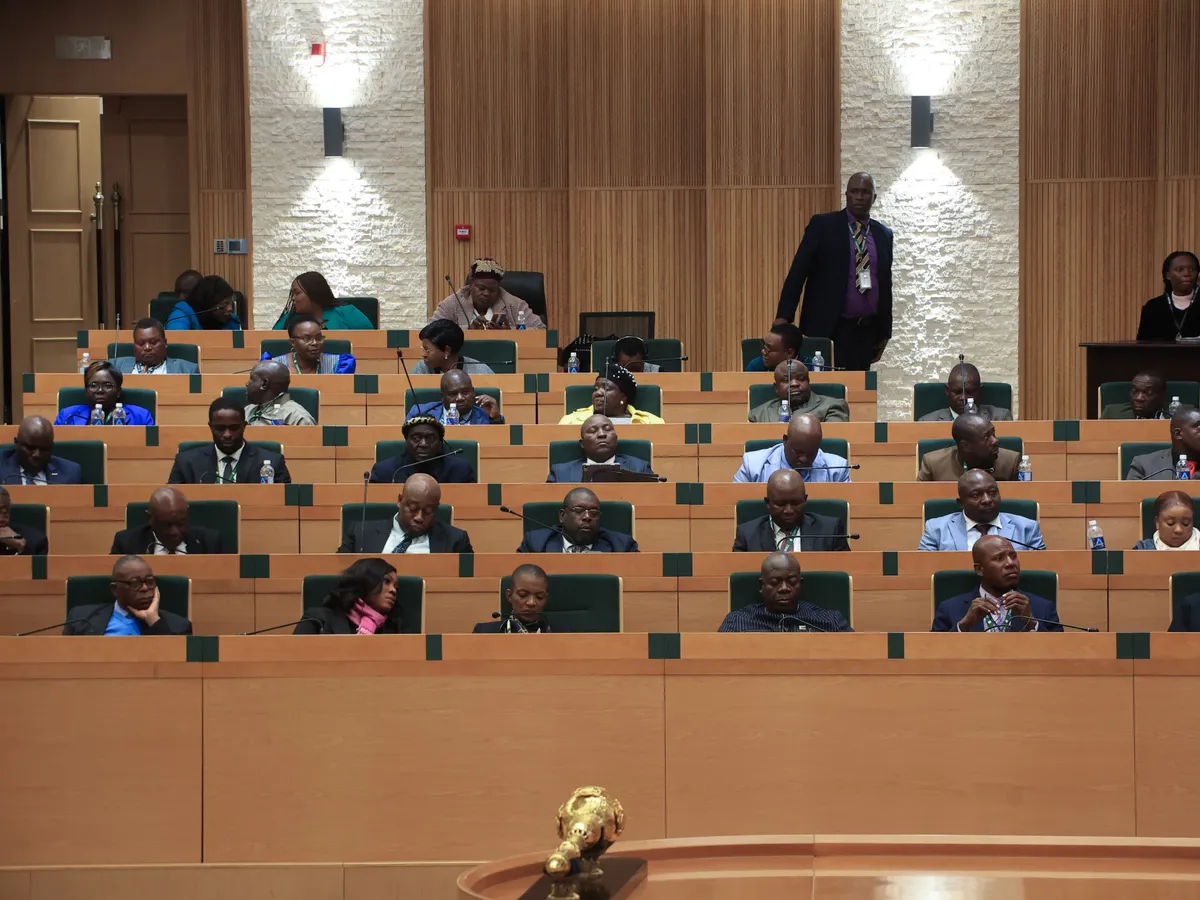
The proposed legislation would remove the public's ability to vote directly for the country's president, shifting that power instead to parliament. Supporters of the bill are framing this as a structural governance reform - a tidier, more efficient way to select national leadership. Critics, on the other hand, are calling it exactly what it looks like: a significant rollback of democratic participation.
The bill has ignited a fierce political debate about what direction Zimbabwe is heading, with opponents warning that this could mark a major turning point for the country's democratic future - and not the good kind of turning point, like when you finally find the right road after being lost. More like the other kind.
The backlash is real
Opposition figures and civil society groups have pushed back hard against the proposal. The core concern is straightforward - removing direct elections from the equation concentrates power in parliament, which is already dominated by the ruling ZANU-PF party. Critics argue this would effectively insulate the presidency from meaningful public accountability.
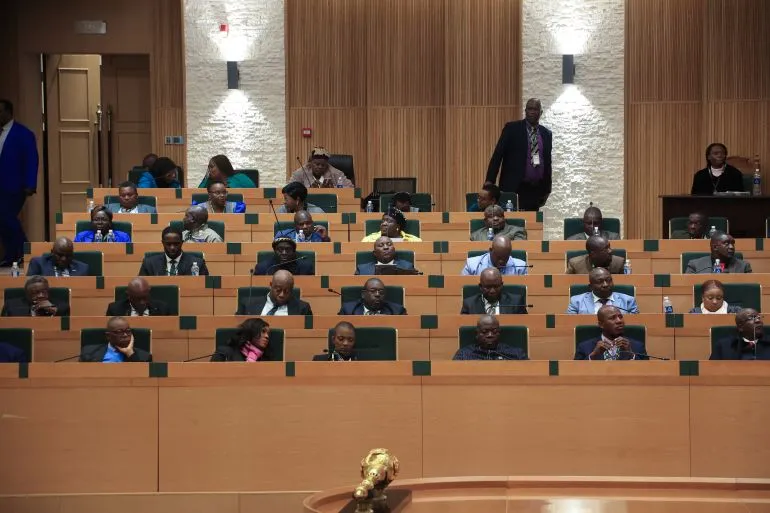
Supporters counter that a parliamentary selection model is used in other countries around the world, and that it could lead to more stable, consensus-driven governance. Whether that argument is landing with Zimbabwe's general public is... a different question entirely.
Why this matters beyond Zimbabwe
Zimbabwe has had a turbulent democratic history, and moves like this tend to get watched closely across the African continent and by international observers. The proposal comes at a time when democratic backsliding has been a documented trend in several parts of the world, making any step away from direct elections particularly sensitive territory.
The bill has not been passed into law yet, and the backlash may well influence how lawmakers proceed. But the fact that it exists at all - and that it is being seriously debated - says plenty about the current political climate in Harare.
Whether this ends up being a footnote in history or the beginning of a major constitutional shift remains to be seen. What is clear, per Al Jazeera's reporting, is that Zimbabwe's political future is very much up for debate right now - whether the government wants that debate or not.