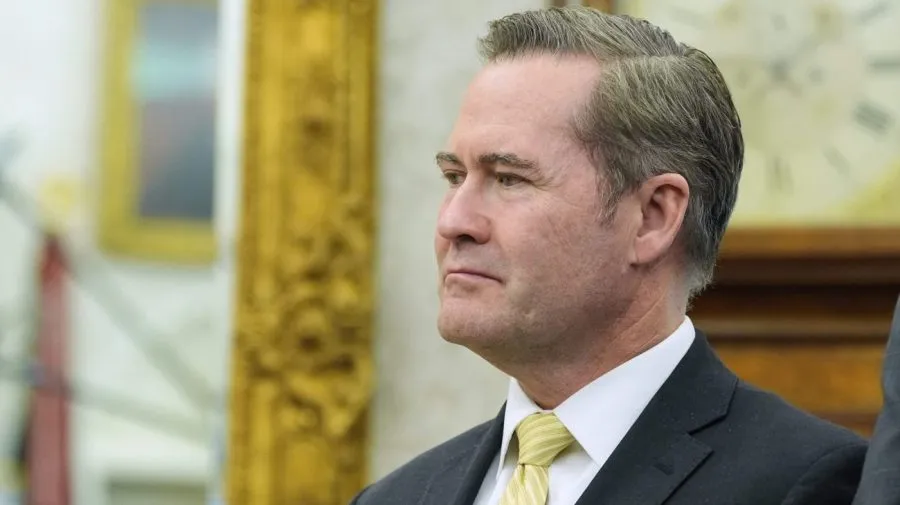
In what could generously be described as a bold diplomatic communication strategy, U.S. Ambassador to the United Nations Mike Waltz went on television Sunday to defend President Trump's threats to obliterate Iranian civilian infrastructure if Tehran doesn't play ball on a proposed nuclear deal.
Earlier that same Sunday, Trump had made his position crystal clear: accept what he called a "very fair and reasonable" peace deal, or the U.S. military would - and we are paraphrasing only slightly here - turn Iran's power grid into a memory. According to reporting by The Hill, Trump specifically threatened to knock out "every single Power Plant, and every single" [facility, the statement continued], leaving little room for diplomatic ambiguity.
Waltz enters the chat
Enter Waltz, who apparently drew the short straw on Sunday morning show duty, and who proceeded to describe these threats as "perfectly acceptable." Not "measured," not "calibrated," not even "firm but proportionate" - perfectly acceptable, like threatening to plunge a country of 90 million people into darkness is just a reasonable item on a foreign policy checklist.
The comments come as the Trump administration pushes Iran toward negotiations over its nuclear program, with diplomats from both sides reportedly engaged in back-channel talks. The administration has framed the deal as an off-ramp for Tehran, though critics argue that publicly threatening civilian infrastructure while simultaneously inviting someone to the negotiating table is... a choice.

Why this matters beyond the headline
Targeting civilian infrastructure like power plants raises serious questions under international humanitarian law, which generally prohibits attacks on objects indispensable to civilian survival. Legal scholars and human rights organizations have long argued that electricity grids, water treatment facilities, and similar systems fall squarely into that protected category - making Waltz's "perfectly acceptable" framing particularly eyebrow-raising for the international legal community.
Iran, for its part, has not publicly responded to the latest round of threats at the time of writing, which is either a sign of measured restraint or a very long group chat deliberation.
The bigger picture
This episode is the latest in a high-stakes pressure campaign by the Trump administration, which has oscillated between offering diplomatic engagement and issuing maximalist threats - sometimes within the same news cycle. Whether this is a deliberate good-cop-bad-cop strategy or just how things work now is, genuinely, unclear.
What is clear: when your UN ambassador's best defense of a policy is "perfectly acceptable," the bar for what counts as normal has been relocated to a fascinating new address.
Source: The Hill