If you thought your week was rough, spare a thought for North Kivu, eastern Democratic Republic of the Congo, where residents are currently dealing with a simultaneous Ebola outbreak AND a wave of rebel massacres that would make even the most seasoned disaster-movie screenwriter say "okay, that's too much."
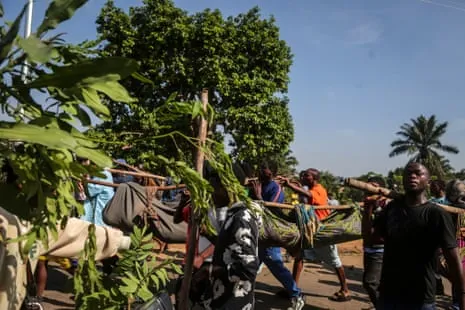
According to reporting by The Guardian, more than 30 people have been killed over the past several days in rebel attacks centred around the city of Beni - which, as fate would have it, is also one of the epicentres of the current Ebola outbreak. At least 10 of those deaths came from raids on three villages in the early hours of Wednesday morning alone.
Who is behind the attacks?
The Allied Democratic Forces (ADF), an Islamic State-linked militia operating in eastern DRC, has been blamed for the raids. The ADF has a long and brutal history in the region, and their timing here is particularly catastrophic - deliberately or not, the attacks are hitting areas where health workers are already stretched thin trying to contain a disease that kills a significant proportion of those it infects.
The Ebola problem just got a whole lot worse
Here is where things go from terrible to genuinely alarming. The governor of North Kivu has confirmed that three patients who had been diagnosed with Ebola fled their clinics amid the chaos and violence. That is three people, carrying one of the world's most dangerous pathogens, now loose in a region gripped by armed conflict and fear.
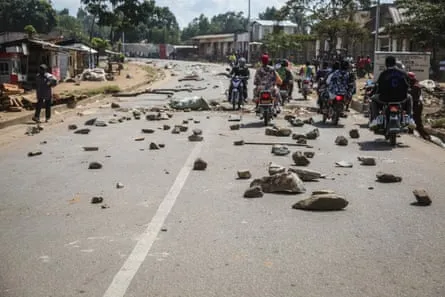
Contact tracing - the painstaking process of tracking down everyone an infected person has been near - is hard enough in stable conditions. Doing it in an active conflict zone where villages are being raided at night is a near-impossible task for health workers who are, frankly, already heroes for showing up at all.
A compounding crisis with no easy answers
This is not the first time that armed conflict has derailed Ebola response efforts in eastern DRC. The region has seen repeated outbreaks over the past decade, and security incidents have consistently hampered vaccination campaigns, scared away health workers, and driven frightened patients to flee treatment centres - which, as this week demonstrates, is not just a tragedy for those individuals but a potential accelerant for wider spread.
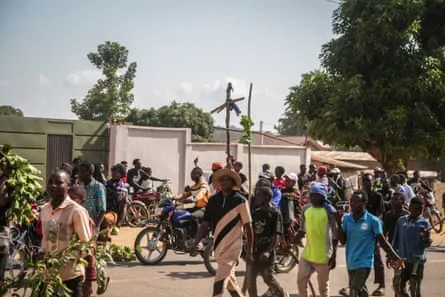
The international community has been here before, watching helplessly as two crises feed each other. Whether a meaningful security response can be coordinated quickly enough to stabilise the situation around Beni remains to be seen.
For now, health workers on the ground are doing what they can in conditions that no emergency manual was ever really designed to cover.