If you have ever wondered why there seems to be an American military base within driving distance of pretty much every decent European skiing resort, buckle up - because the answer is both historically fascinating and geopolitically spicy.
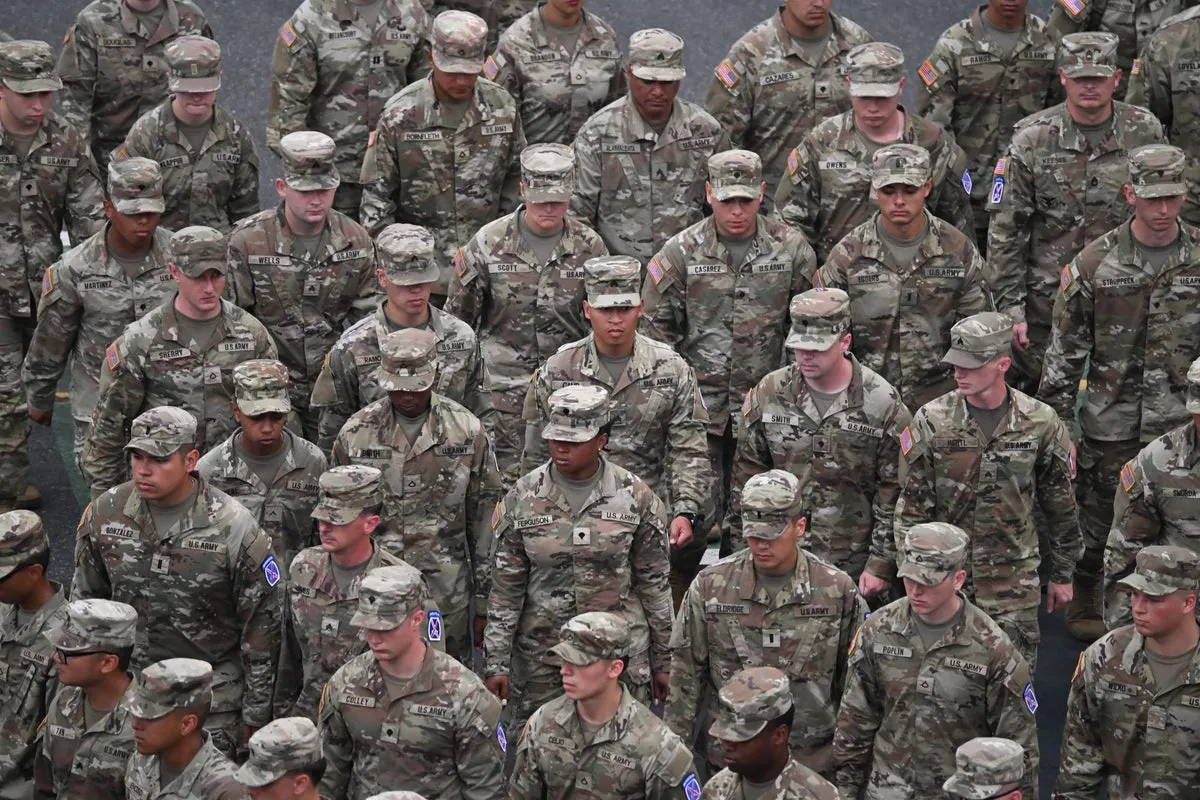
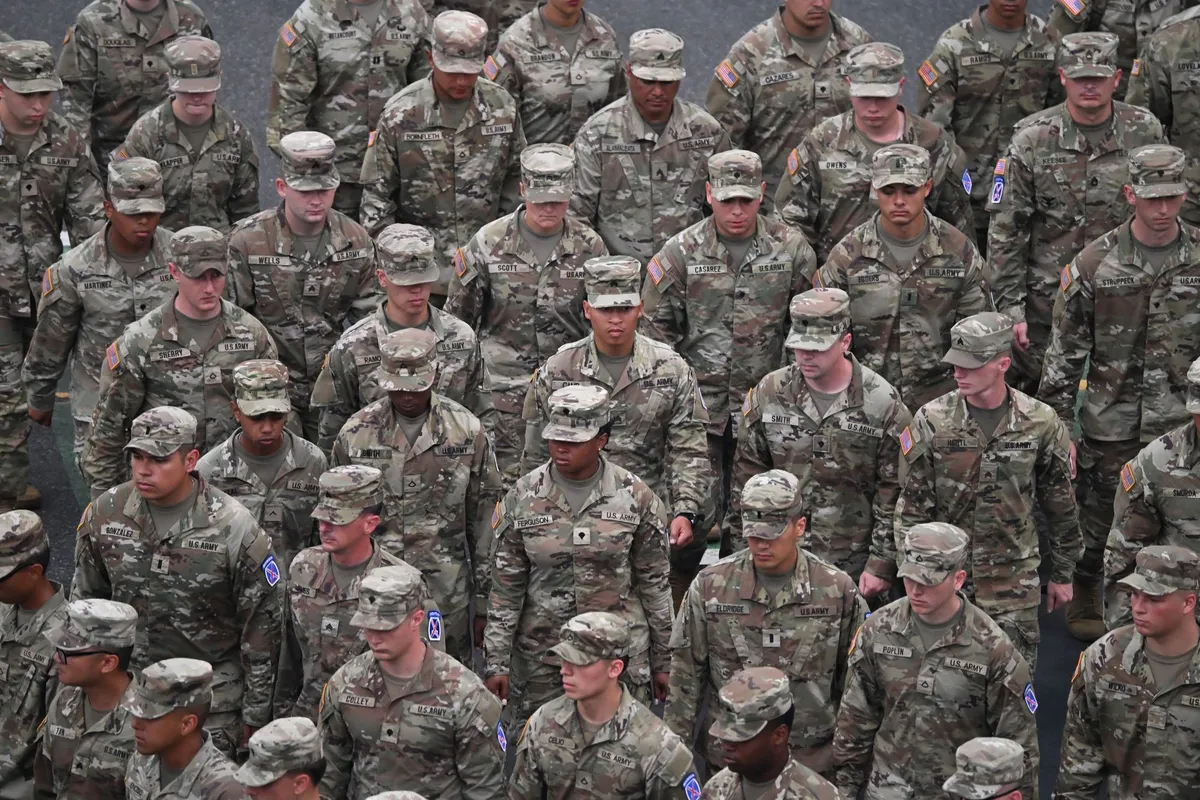
According to a report by The Independent, the United States currently maintains roughly 100,000 troops across Europe - a number that surged significantly following Russia's full-scale invasion of Ukraine in 2022. That figure represents a dramatic uptick from pre-war levels and signals just how seriously NATO is taking the eastern flank situation.
So where exactly are they all hiding?
The footprint is enormous and spans the continent like a very well-armed game of Risk. Here is a rough tour:

- Germany remains the heavyweight host, with tens of thousands of US personnel stationed there - a legacy of post-World War II arrangements that never quite unwound.
- Poland has become an increasingly critical hub, with thousands of troops positioned close to the Ukrainian border and a permanent US base formally established in recent years.
- Romania on the Black Sea coast has seen a notable US military presence, strategically positioned to keep an eye on Russian naval activity.
- Spain hosts US naval assets, particularly at the Rota naval base, which serves as a key logistics and submarine support hub for the Atlantic and Mediterranean.
- Italy and the UK also host significant numbers of personnel and critical air assets.
Why does this matter right now?
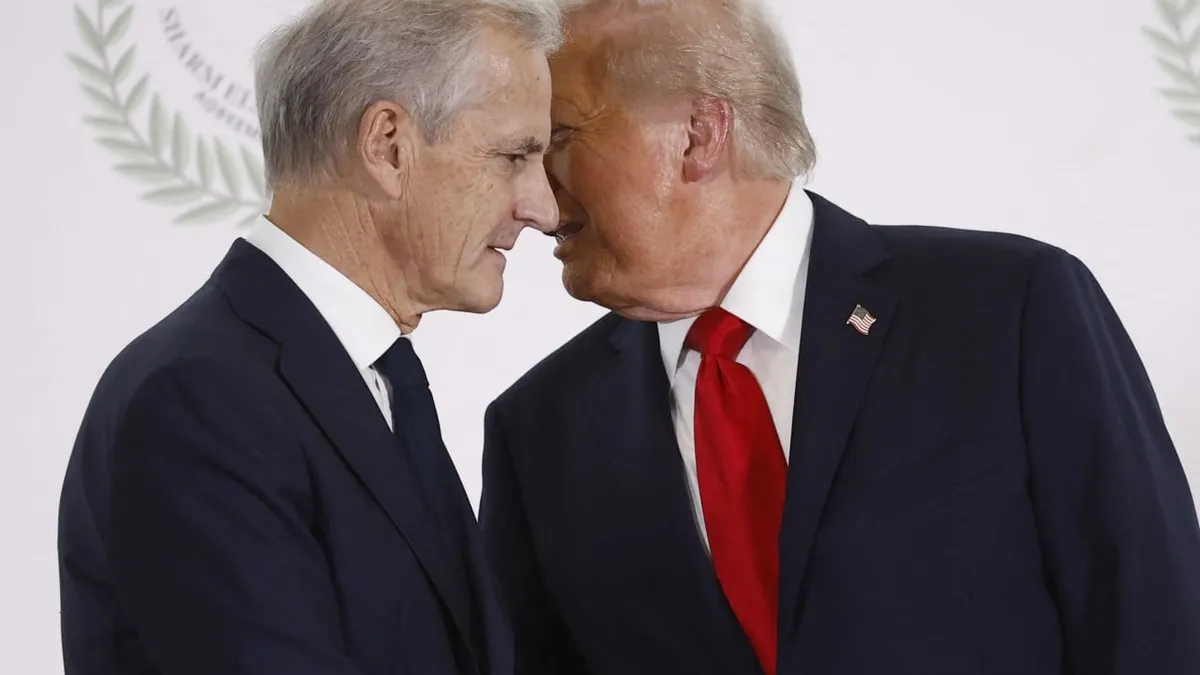
The question of US troop presence in Europe has taken on an almost soap-opera level of drama lately, with the Trump administration making loud noises about burden-sharing and questioning whether America should maintain its level of commitment to NATO allies. European governments, understandably, are watching those conversations with the energy of someone who just heard their landlord mutter something worrying about the lease.
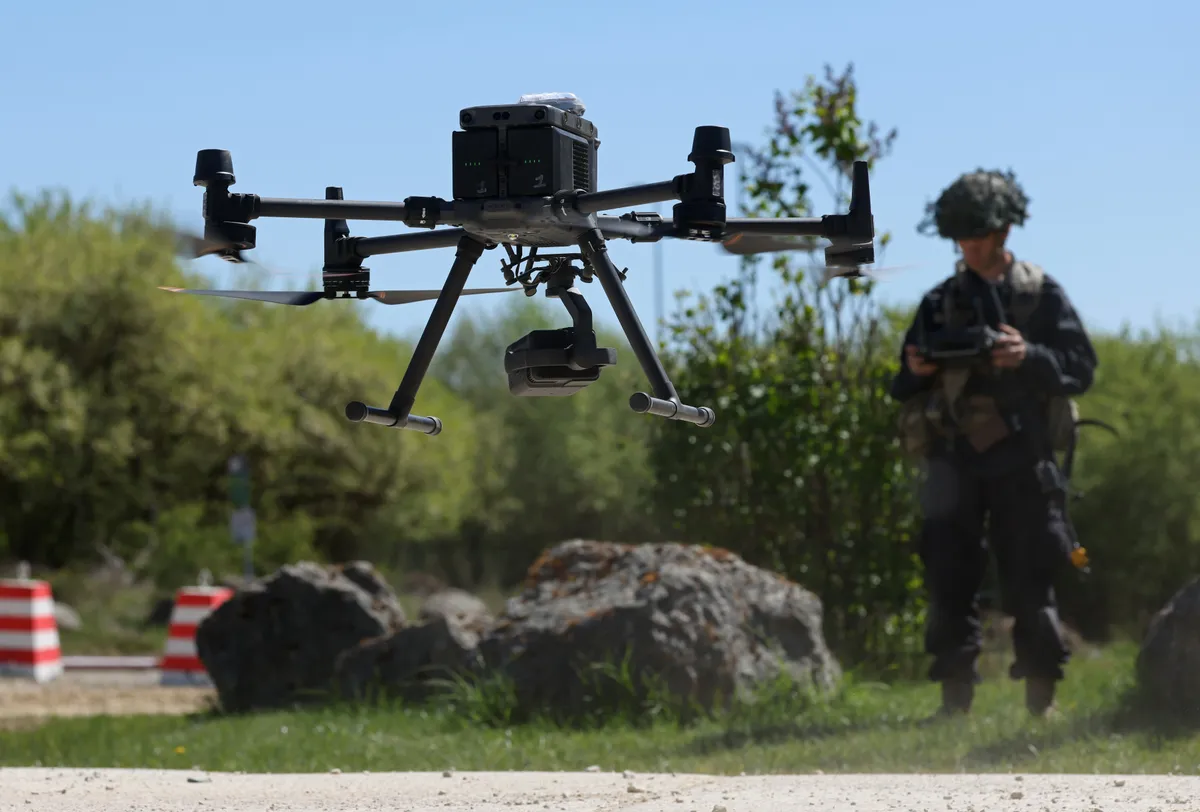
The troop deployments are not just symbolic - they represent hard logistics, pre-positioned equipment, training rotations, and rapid-response capabilities that underpin the entire NATO deterrence framework. Pulling them back would not just be a political statement; it would be a structural shift in how European security actually functions on the ground.
The bottom line
One hundred thousand American troops spread across a continent is not a small thing to manage - or to potentially walk back. Whether the current numbers hold, grow, or shrink depends enormously on political winds blowing on both sides of the Atlantic. For now, Europe remains very much an American military neighborhood, whether everyone involved is thrilled about that or not.