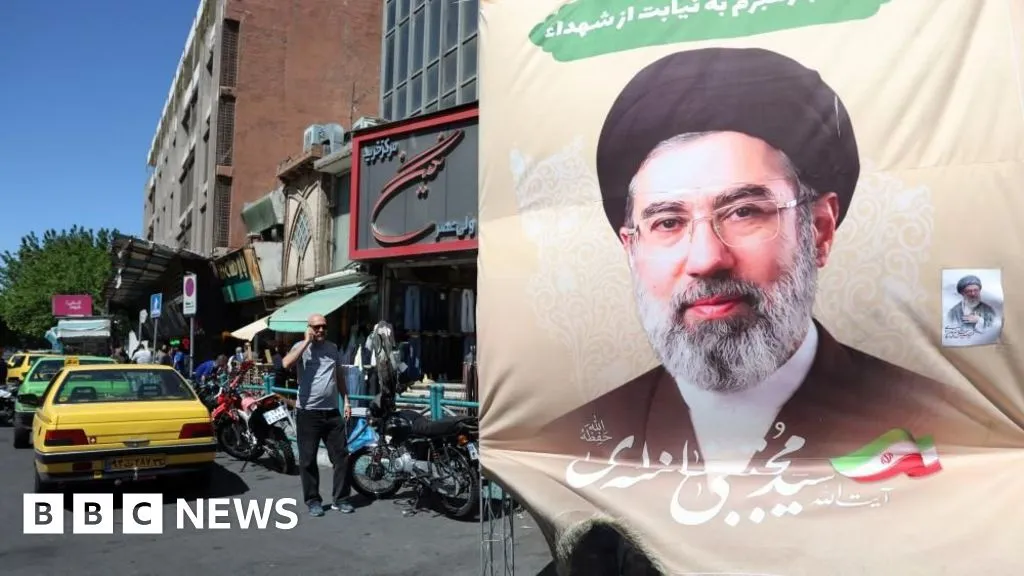
You'd think a country called an 'Islamic Republic' with a Supreme Leader would have a pretty clear chain of command. You'd think that. According to a BBC News analysis, you'd also be wrong - or at least, you'd be missing a very large and very messy picture.
So who's actually in charge?
On paper, Iran's Supreme Leader holds ultimate authority over just about everything - military, judiciary, foreign policy, you name it. It's basically the most powerful job description in the Middle East. In practice, however, the BBC's reporting suggests the real decision-making process in Tehran is far murkier than the org chart would have you believe.
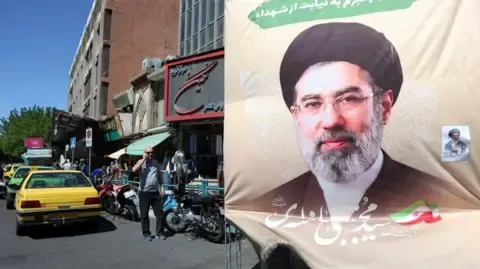
The complexity stems from overlapping power centers that don't always play nicely together. The Supreme Leader, the president, the Islamic Revolutionary Guard Corps (IRGC), and various clerical bodies all have skin in the game - and their interests don't always align. Think less 'unified autocracy' and more 'several powerful factions in a trench coat pretending to be one government.'
The succession question looming over everything
The BBC analysis highlights that questions around succession and institutional authority have made the power structure even less clear in recent years. The current Supreme Leader, Ali Khamenei, has held the position since 1989, and any transition of power would represent a seismic shift in how Iran operates - assuming anyone can even agree on how that transition should work.
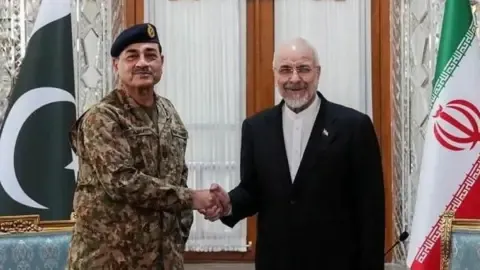
The IRGC, in particular, has grown into a formidable political and economic actor in its own right, with influence that extends well beyond its military mandate. When you've got a parallel institution that powerful sitting alongside the formal government, 'who's in charge' becomes a genuinely difficult question to answer.
Why this matters beyond Iran's borders
Understanding Iran's actual decision-making architecture isn't just an academic exercise. When world powers negotiate with Tehran - over nuclear deals, regional conflicts, or sanctions relief - they need to know whose signature actually means something. If the president agrees to a deal but the IRGC leadership isn't on board, how binding is that agreement really?
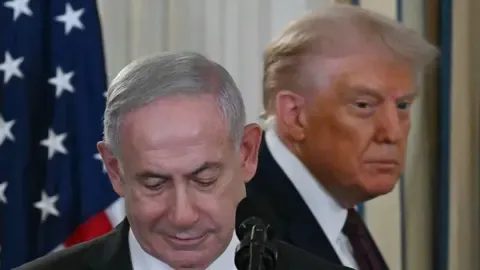
The BBC's analysis doesn't pretend to have clean answers, because there aren't any. What it does make clear is that treating Iran as a monolithic, top-down power structure leads to serious miscalculations - and given the current regional tensions, miscalculations are the last thing anyone needs.
As the old saying almost goes: it's not complicated, it's Iran-complicated. Which is a whole different category of complicated.