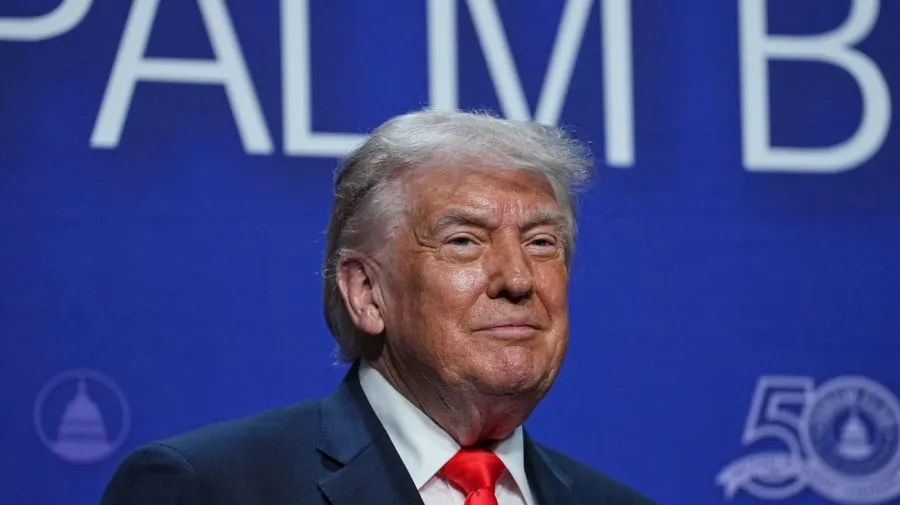
In what can only be described as the diplomatic equivalent of showing up to a first date with both flowers and a restraining order, President Donald Trump has warned Iran that its days of amusement are numbered - all while his administration works on a peace proposal with Tehran.
According to reporting by The Hill, Trump took to social media Sunday to unleash a pointed message at Iranian leadership, stating that for 47 years Iran has been stringing the United States along, stalling negotiations while funding roadside bomb attacks that killed American personnel. He further cited the killing of 42,000 unarmed protesters inside Iran, painting a picture of a regime both dangerous abroad and brutal at home.
"They will be laughing no longer," Trump reportedly declared - a sentence that belongs in a supervillain monologue but is, in fact, current American foreign policy.
Wait, are we negotiating or not?
Here is where it gets genuinely interesting. Both things are happening simultaneously. The Trump administration is reportedly working on a framework for a peace proposal with Iran at the same time the president is publicly threatening the country with ominous, vague consequences. Diplomacy fans call this "maximum pressure." Everyone else calls it confusing.
The backdrop here matters. Iran has long been a central flashpoint in U.S. foreign policy, with tensions peaking during Trump's first term when he withdrew from the 2015 nuclear deal (the JCPOA) and later ordered the strike that killed Iranian General Qasem Soleimani. Since then, both countries have been doing a slow, awkward waltz around the question of whether they can reach any kind of agreement on Iran's nuclear program.
What is actually on the table?
Details on the specific peace framework remain sparse, per The Hill's reporting. What is clear is that the Trump administration is attempting to position itself as both the stick and the potential carrot in these negotiations - a classic power-negotiation tactic that either works brilliantly or blows up spectacularly, with very little middle ground.
Iran has not publicly responded to Trump's latest remarks at the time of writing, which, honestly, might be the most diplomatic thing they have done in decades.
Whether this simultaneous threatening-and-negotiating approach produces results remains to be seen. But one thing is certain: nobody in the room is laughing. Probably because nobody is entirely sure what the room even is yet.