As diplomatic talks between Iran and the United States proceed, Tehran's strategic dominance over the Strait of Hormuz has emerged as one of its most significant bargaining tools - one analysts say the country is unlikely to relinquish under any circumstances.
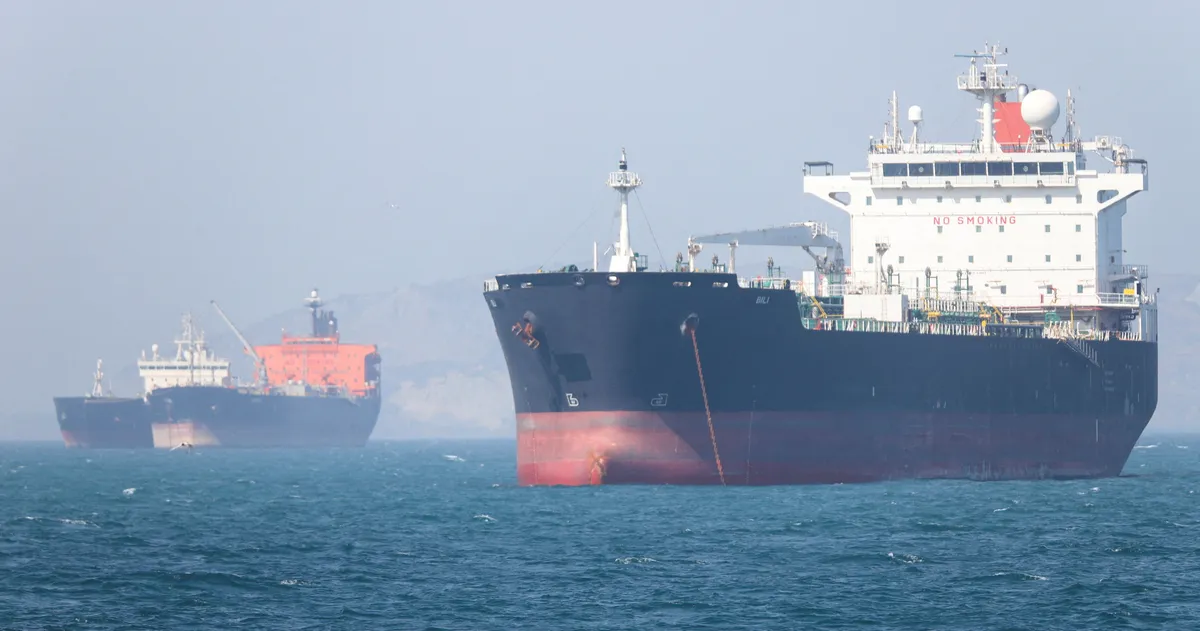
The strait, a narrow waterway separating Iran from the Arabian Peninsula, serves as the primary passage for roughly 20 percent of the world's oil supply. Its geographic bottleneck means that any disruption to traffic there would have immediate and severe consequences for global energy markets.
A chokepoint with global consequences
Iran's ability to threaten closure of the strait - or to harass commercial and military vessels passing through it - gives Tehran an outsized degree of influence relative to its broader economic and military capabilities, according to reporting by Al Jazeera.
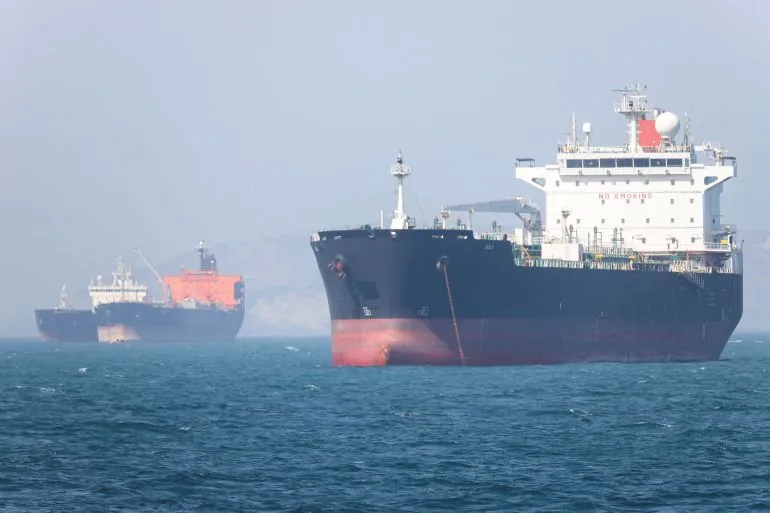
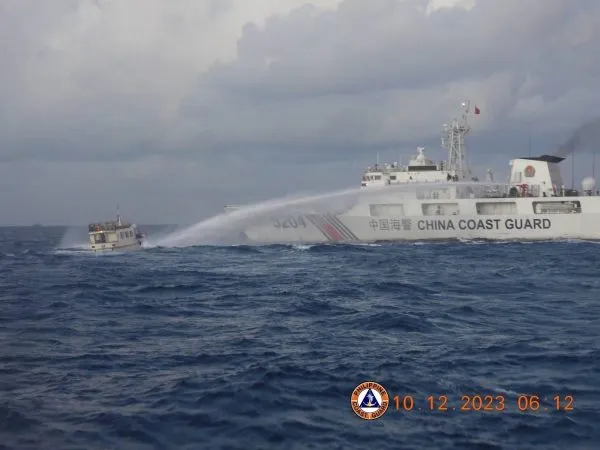
The Islamic Revolutionary Guard Corps maintains a significant naval presence in the region, equipped with fast attack vessels, anti-ship missiles, and mines that could be deployed rapidly to impede traffic. This posture has been demonstrated in the past through vessel seizures, naval confrontations, and periodic threats by senior Iranian officials.
Leverage in a fragile negotiation
Iran's control of Hormuz is particularly relevant as negotiations with the United States focus on Tehran's nuclear program. Analysts cited in Al Jazeera's reporting suggest that Iran views the strait not merely as a military asset but as a diplomatic instrument - a means of exerting pressure without necessarily escalating to open conflict.
For Washington and its Gulf allies, the calculus is equally complex. Any military action against Iran risks triggering a response that could shut down or severely restrict one of the world's most critical energy corridors, sending oil prices sharply higher and destabilizing economies far removed from the conflict itself.
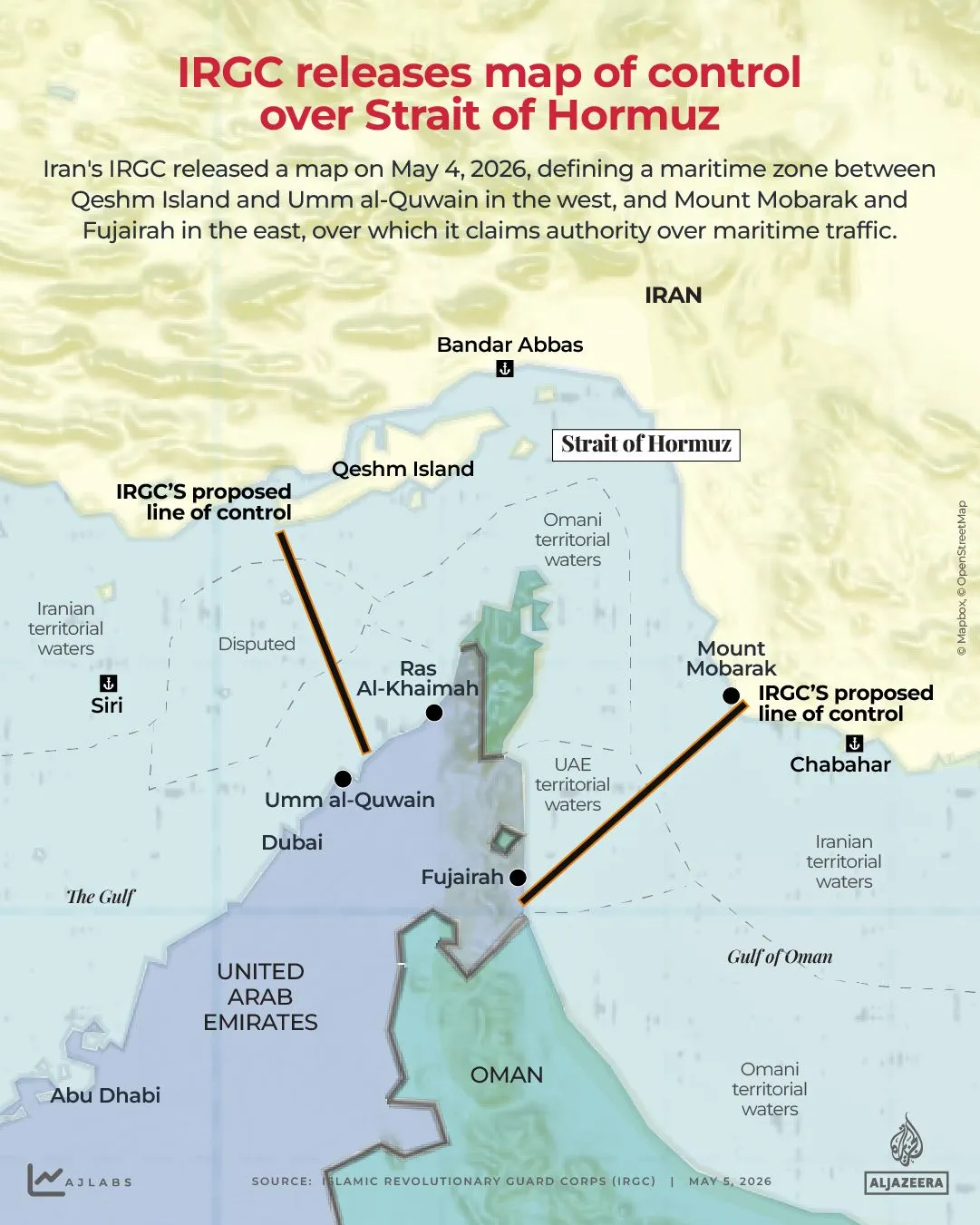
Regional and global stakes
Gulf states including Saudi Arabia and the United Arab Emirates depend on the strait for their oil exports. They have invested in alternative pipeline infrastructure to reduce their exposure, but no arrangement fully replicates the capacity and convenience of Hormuz transit.
Iran, for its part, also relies on the waterway for its own limited oil exports. Any move to close the strait would carry economic costs for Tehran as well, complicating the strategic picture and suggesting that outright closure remains a last resort rather than a routine threat.
Still, analysts note that Iran's willingness to absorb economic pain - demonstrated by decades of operating under international sanctions - means the threat cannot be dismissed as a bluff. The strait remains central to Iran's strategic identity and its negotiating posture, and Tehran has shown little indication it intends to soften that position.