The Bank of England is widely expected to leave interest rates unchanged at its upcoming policy meeting, as officials assess the economic consequences of the ongoing war involving Iran and the effective closure of the Strait of Hormuz, according to reporting by ABC News.
The strait is one of the world's most critical energy chokepoints, with approximately one fifth of global crude oil passing through it during normal conditions. Its disruption has introduced significant uncertainty into commodity markets and complicated the outlook for inflation in the United Kingdom and beyond.
Rate decision in focus
Bank of England policymakers are facing a difficult balancing act. Elevated energy prices driven by the conflict risk pushing inflation higher, while at the same time the broader economic shock from the war could weigh on growth - a combination that limits the central bank's room to maneuver.
Holding rates steady would allow the Bank time to gather more data on how the conflict is affecting the UK economy before committing to a change in monetary policy direction.
Hormuz closure raises global alarm
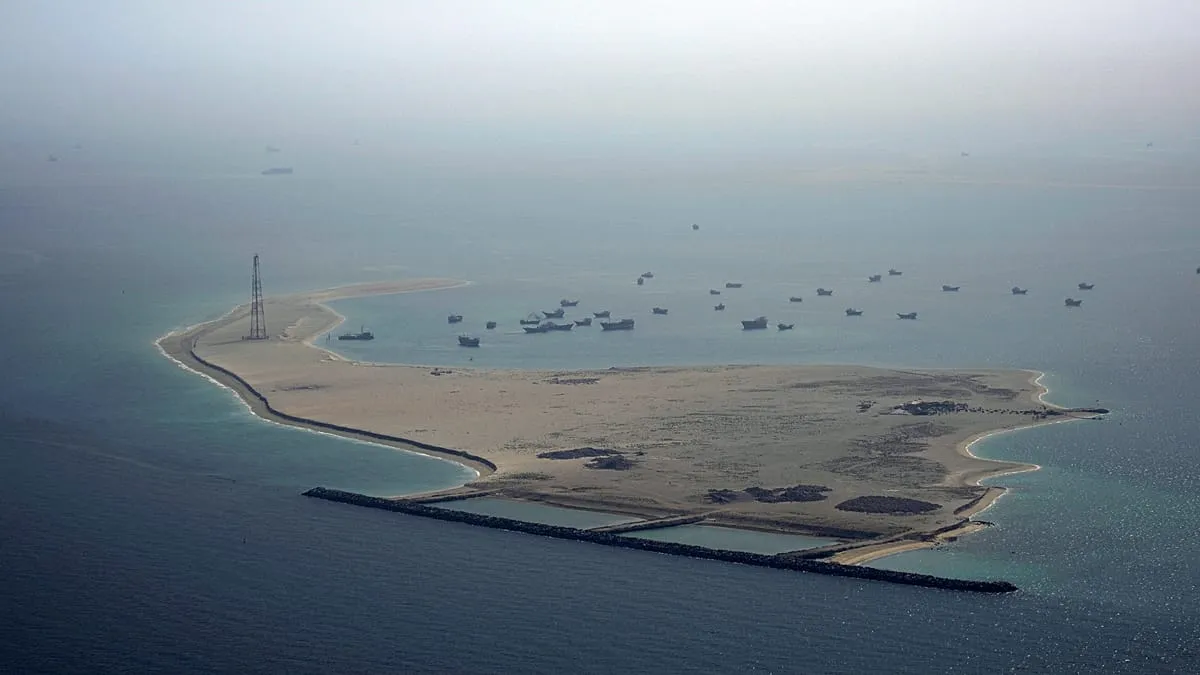
The Strait of Hormuz, located between Iran and the Arabian Peninsula, serves as the primary export route for oil produced by several major Gulf producers, including Saudi Arabia, the United Arab Emirates, Kuwait, and Iraq. Any sustained disruption to shipping through the waterway has historically triggered sharp movements in global oil prices.
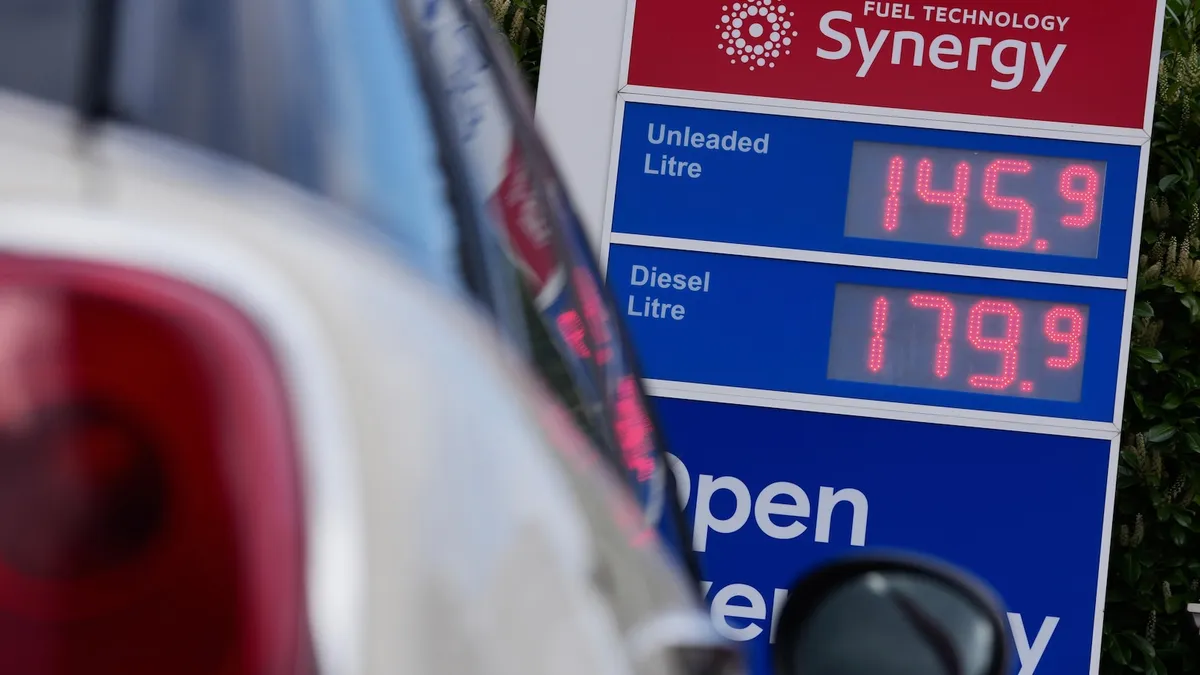
Iran's effective closure of the strait, as described in the ABC News report, represents a major escalation with potential consequences extending well beyond the immediate conflict zone. Higher energy costs feed directly into transportation, manufacturing, and household expenses across import-dependent economies like the United Kingdom.
Broader economic implications
The conflict adds a new layer of complexity to an already uncertain global economic environment. Central banks in major economies have spent the past several years navigating post-pandemic inflation, and an energy supply shock of this scale risks undoing some of the progress made in bringing price growth under control.
The Bank of England's decision, when announced, will be closely watched by financial markets for any signals about the future path of UK interest rates and how the institution is interpreting the geopolitical risks now weighing on the economy.