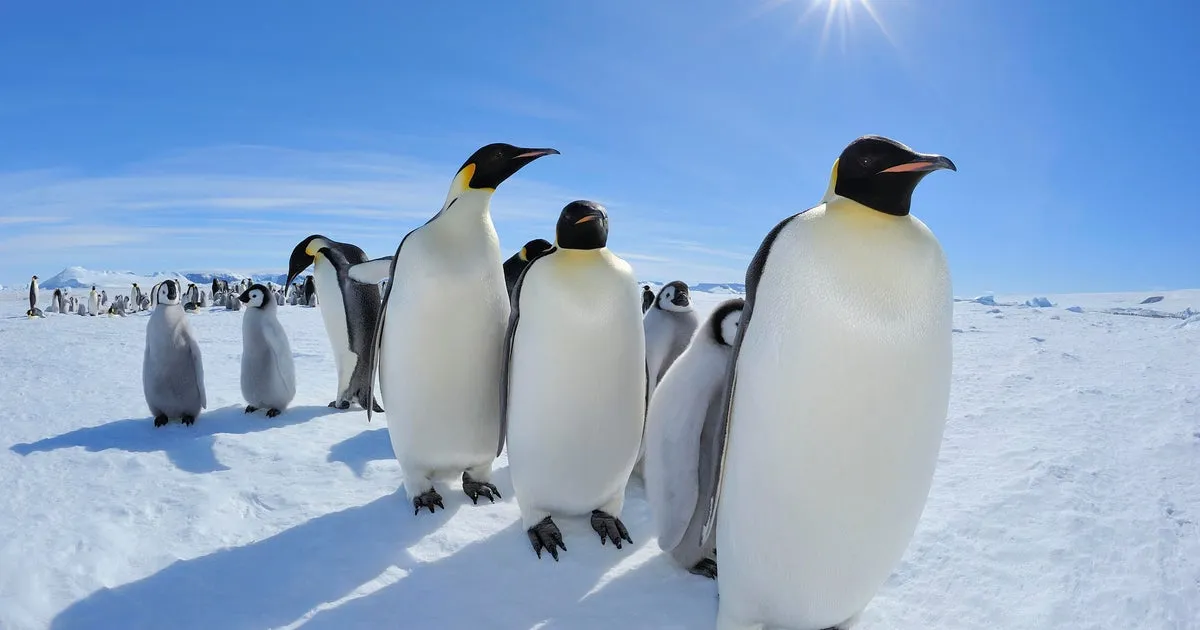
Diplomats from around the world have descended on Japan this week for Antarctic Treaty talks, and the star of the show is not a world leader or a tech billionaire - it is a flightless bird that dresses better than most of us and can survive temperatures that would turn a human into a popsicle in minutes.
According to CBS News, the fate of emperor penguins is front and center at the ongoing talks, as negotiators discuss whether to extend greater protections to the species amid growing concern over their long-term survival. Emperor penguins, the largest of all penguin species, are considered endangered, largely due to the rapid loss of sea ice driven by climate change - the very ice sheets they depend on to breed and raise their chicks.
Tourism is also crashing the party
Beyond the penguins, delegates are grappling with another increasingly awkward problem: humans who really, really want to go to Antarctica and take selfies. Tourism to the region has been growing steadily, and the talks are expected to address how to manage that influx without turning one of the last genuinely wild places on Earth into a cruise ship buffet line with icebergs.
It is a delicate balancing act. Antarctica has no permanent human population and is governed through the Antarctic Treaty System, a framework signed in 1959 that sets aside the continent for peaceful scientific research and prohibits military activity. Any meaningful updates to how the region is managed require buy-in from all treaty nations - which, as anyone who has ever tried to get a group of people to agree on pizza toppings knows, is not always easy.

Why the penguins actually matter (scientifically, not just emotionally)
Emperor penguins are not just charismatic. They are a key indicator species for the health of the Antarctic ecosystem. When their populations struggle, it signals something is seriously wrong with the broader environment. Scientists have been raising alarms for years about breeding failures linked to disappearing sea ice, and some models suggest the species could face catastrophic population declines by the end of the century if current warming trends continue.
So yes, the stakes at these Japan talks are actually quite high, even if the visual of world governments convening to discuss penguin welfare sounds like the setup to a very niche joke.
Whether the talks will result in binding new protections or more of the diplomatic equivalent of a strongly worded letter remains to be seen. But at least the penguins have the world's attention - which, given everything else happening on this planet, is honestly kind of impressive.