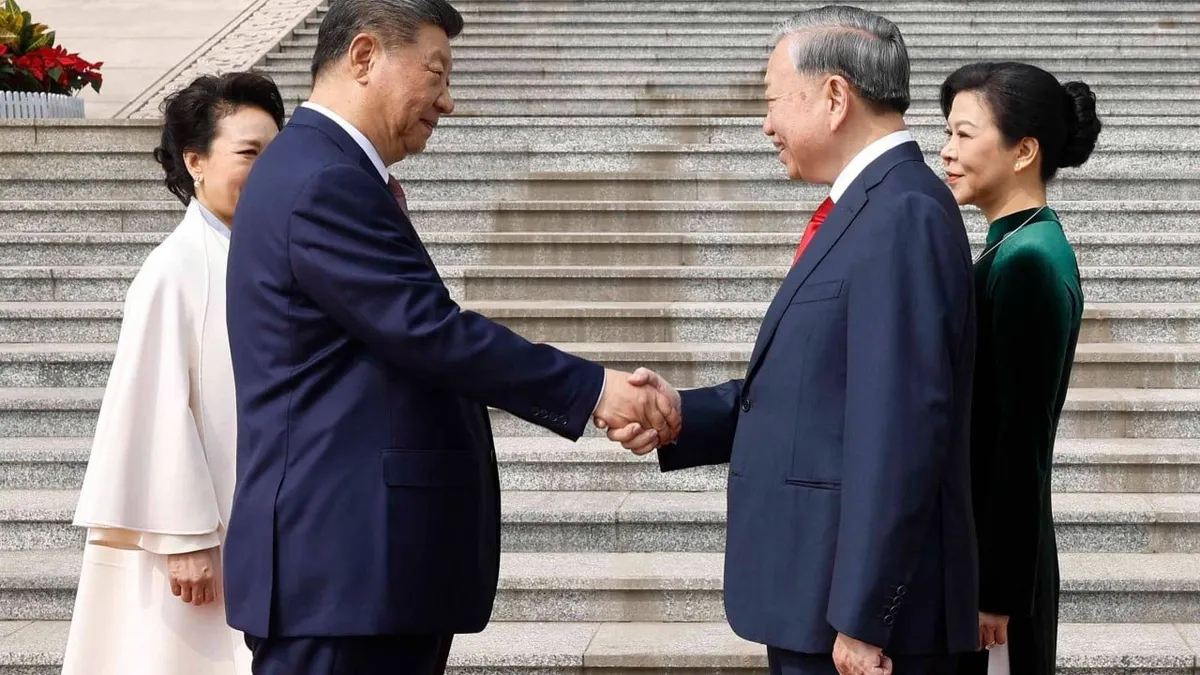
Chinese President Xi Jinping has called on Vietnam to join China in opposing unilateralism and protectionism, framing the two countries as natural partners in defending the global free trade system during a period of mounting international uncertainty.
Xi made the remarks on Wednesday in a meeting with Vietnam's top leader, according to reporting by the South China Morning Post. The comments came as energy markets face renewed pressure linked to the ongoing conflict involving Iran.
"Both sides should uphold the banner of peace, development, cooperation and win-win outcomes, jointly oppose unilateralism and protectionism, safeguard the global free trade system and keep the industrial and supply chains stable and unimpeded," Xi said, as quoted in the report.
A message with broad implications
While Xi did not explicitly name any country in his remarks, calls to oppose "unilateralism" and "protectionism" are widely understood in diplomatic contexts as indirect references to U.S. trade and foreign policy, particularly given ongoing tensions between Washington and Beijing over tariffs, technology restrictions, and regional influence.
The meeting between Xi and the Vietnamese leadership reflects an effort by Beijing to reinforce ties with its southern neighbor, a country with which China shares both deep historical ties and a complex set of territorial disputes, particularly in the South China Sea.
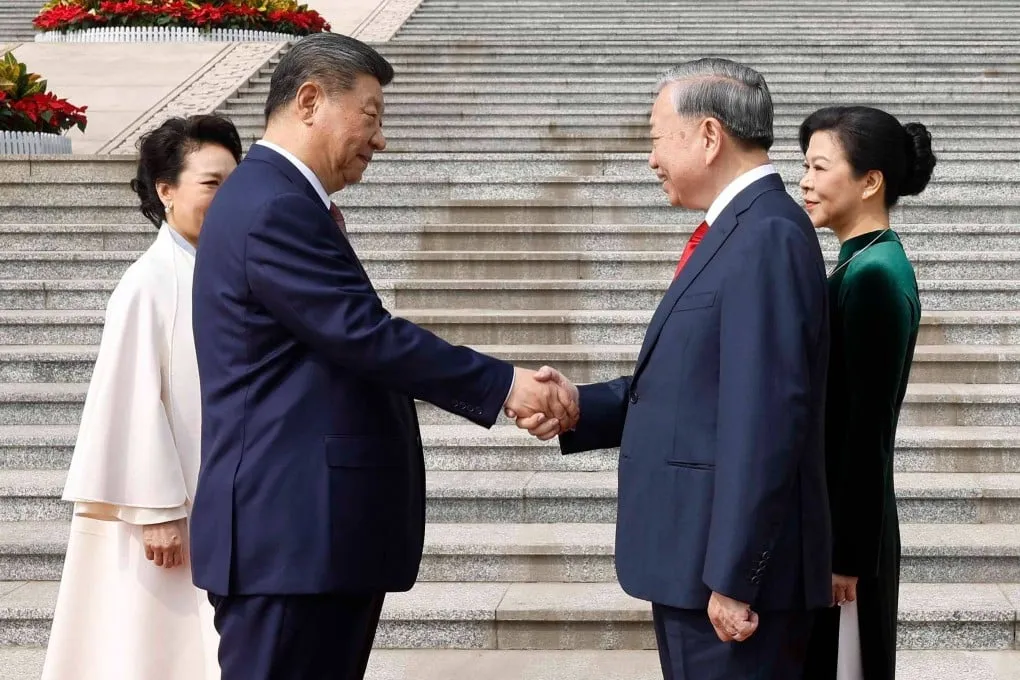
Vietnam occupies a strategically significant position in Southeast Asia and has in recent years pursued a foreign policy of balancing relationships with multiple major powers, including the United States, China, and Japan.
Energy concerns add urgency
The summit took place against a backdrop of heightened concern over global energy supplies, with the conflict involving Iran adding volatility to international oil markets. Southeast Asian economies, including Vietnam, are sensitive to energy price fluctuations given their reliance on imports to fuel continued industrial growth.
Xi's appeal to keep "industrial and supply chains stable and unimpeded" directly addresses these concerns, positioning China as a partner in economic stability rather than a source of regional friction.
Broader regional context
The meeting is part of a wider pattern of Chinese diplomatic outreach across Southeast Asia as Beijing works to consolidate influence in a region that major powers are increasingly competing to court. China remains Vietnam's largest trading partner, though the bilateral relationship is complicated by disputes over waters both countries claim in the South China Sea.
No details about specific agreements or joint statements resulting from the meeting were included in the initial reporting.