In a plot twist that sounds like it was written by a geopolitics professor who moonlights as a doomsday prepper, the closure of the Strait of Hormuz - triggered by the ongoing conflict with Iran - is now threatening global fertilizer supplies. And yes, before you ask, that does eventually connect to the sad, wilted lettuce in your fridge.
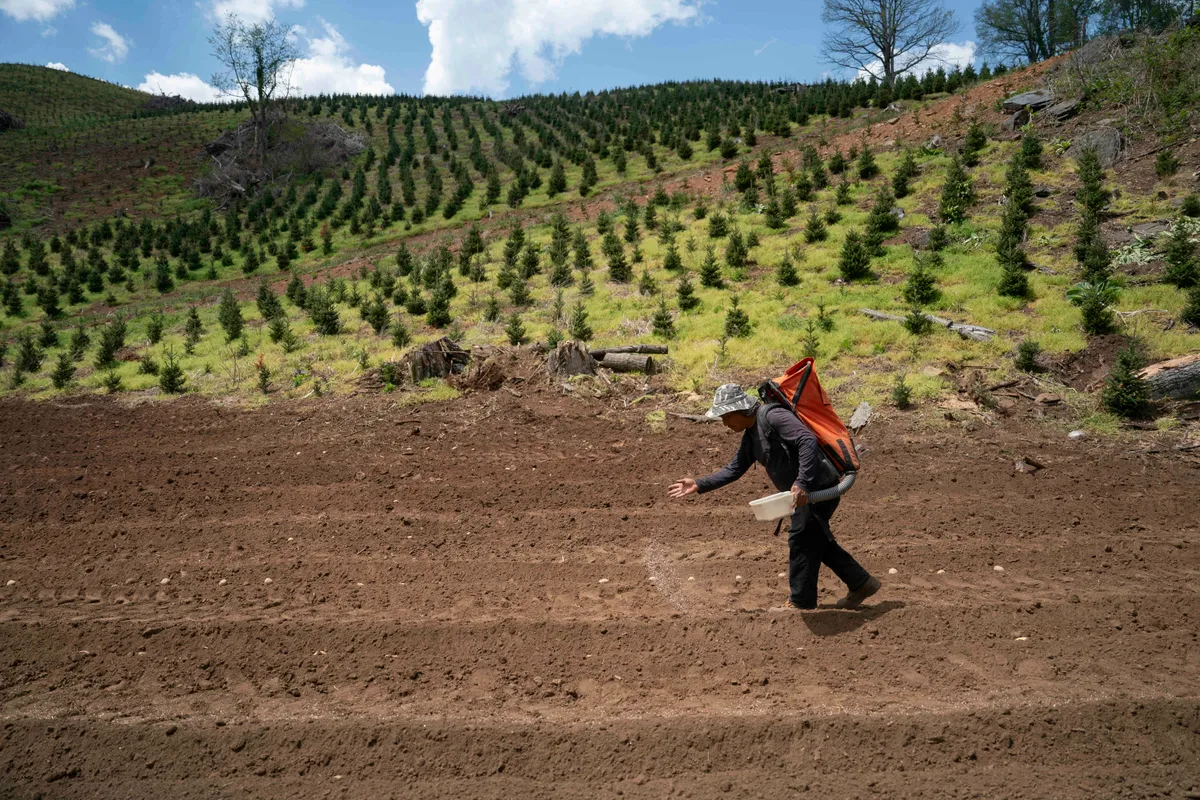
According to reporting by NPR, the disruption to shipping lanes through the Strait of Hormuz has created a bottleneck for two critical ingredients in the modern food machine: fertilizer itself, and natural gas, which is a key raw material used to manufacture fertilizer in the first place. No gas flowing freely, no cheap fertilizer. No cheap fertilizer, nervous farmers. Nervous farmers, slightly annoyed grocery shoppers.
So how bad is it, really?
Here is the part where the panic merchants will be disappointed. NPR reports that while the disruption is real and farmers are genuinely feeling the pressure, it is unlikely to cause major price hikes for U.S. grocery shoppers. The American agricultural supply chain is resilient enough - and domestic fertilizer production is significant enough - that the worst-case doomsday scenarios are probably off the table for now.
That said, "probably fine" is doing a lot of heavy lifting in that sentence. Fertilizer prices were already on a wild ride post-COVID and post-Ukraine war, so any additional shock to supply is not exactly welcome news for the farming community, which operates on margins thin enough to make a sheet of paper feel thicc.
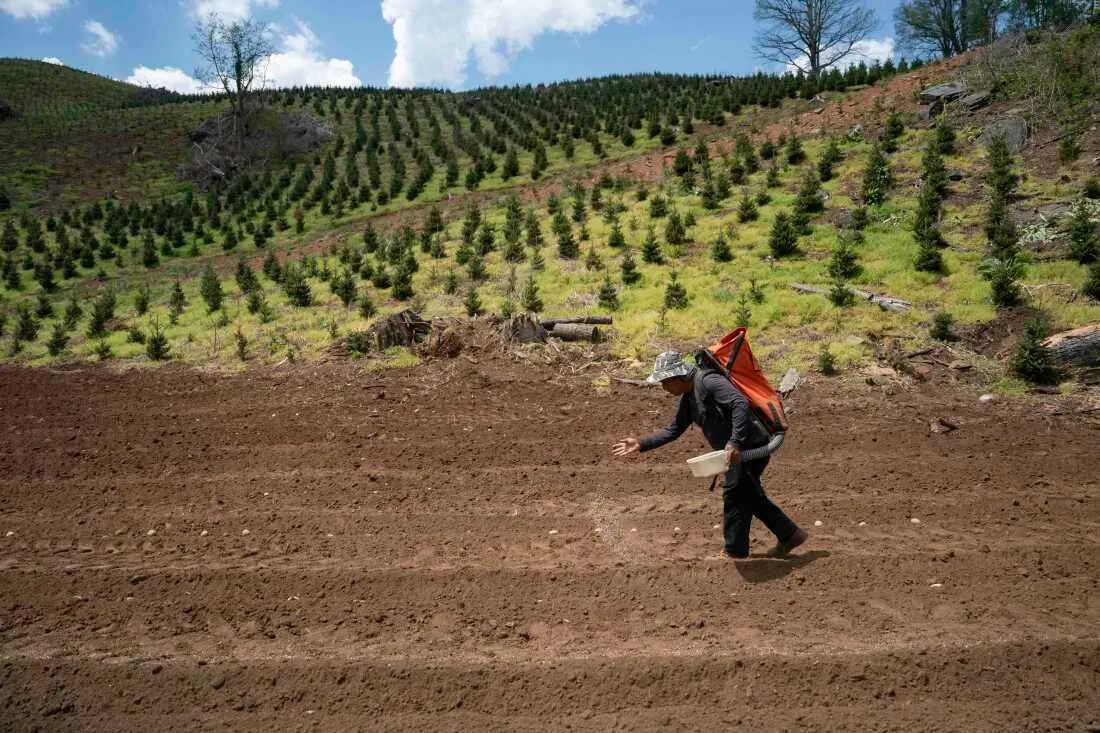
The bigger picture nobody wants to think about
The real story here is how deeply interconnected global food security is with geopolitical flash points that seem, on the surface, totally unrelated to what ends up on your dinner plate. A strait closing in the Persian Gulf sets off a chain reaction that touches natural gas traders, fertilizer manufacturers, commodity markets, farmers in Iowa, and eventually - potentially - the price tag on a bag of potatoes in a suburban supermarket.
It is the butterfly effect, except the butterfly is a military conflict and the hurricane is a slightly more expensive box of cereal.
For now, U.S. consumers are largely shielded from the worst effects, but agricultural analysts and farmers will be watching supply chains closely in the coming months. If the Hormuz closure drags on, the calculus could change.
Source: NPR