If you're looking for a silver lining in the ongoing Iran war, you might need to be a defense contractor, a quantitative hedge fund, or someone who just invested in solar panels. According to a report by Al Jazeera, while the global economic outlook for 2026 looks increasingly bleak, a handful of industries are absolutely feasting.
Who's winning while the world is losing?
Let's do a quick roll call of the conflict's unlikely beneficiaries, as outlined in Al Jazeera's analysis:
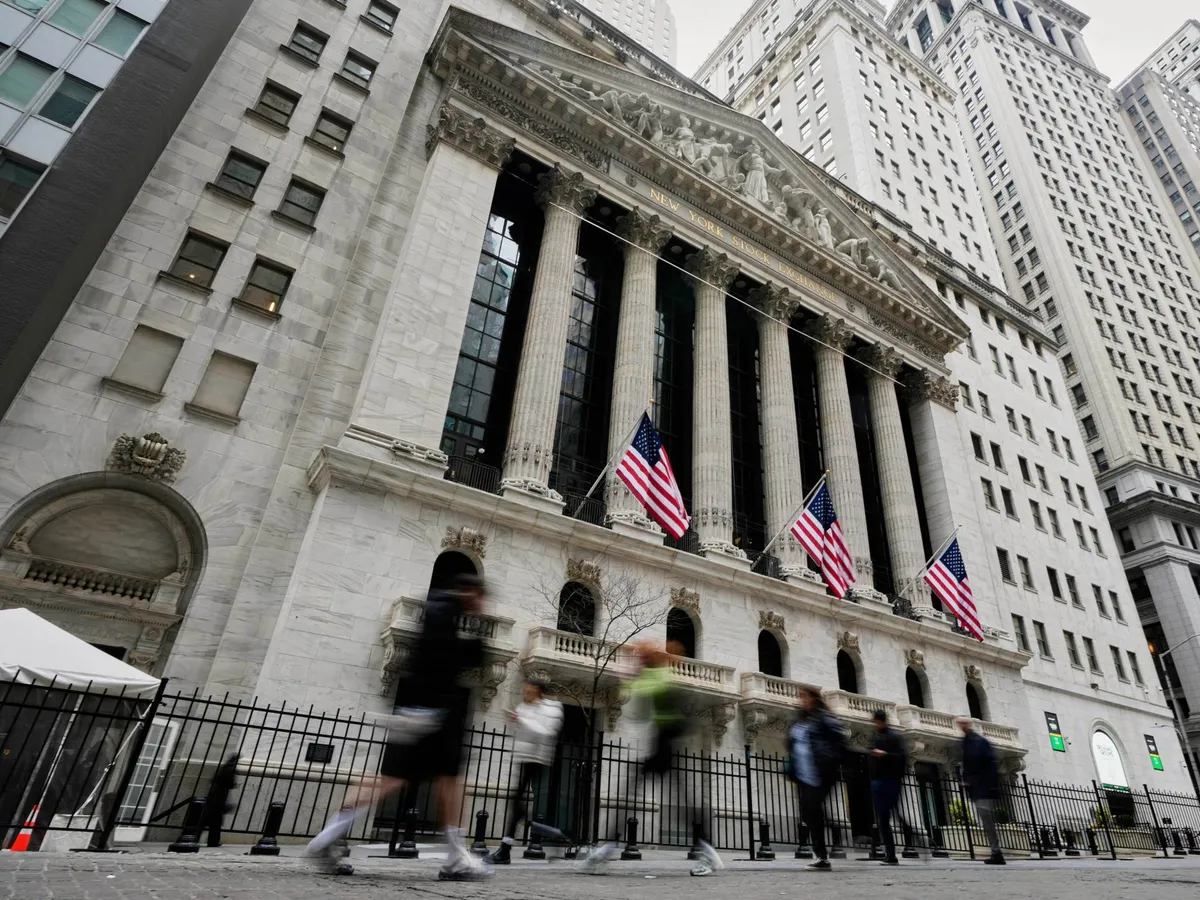
- Wall Street - Because apparently volatility is just another word for 'opportunity' if you have enough money and no shame.
- Weapons manufacturers - Shocking nobody. Defense firms are reporting booming demand as governments scramble to restock arsenals and shore up military spending.
- Artificial intelligence companies - Conflict drives enormous demand for surveillance tech, logistics optimization, and military AI applications. The sector is reportedly seeing accelerated government contracts.
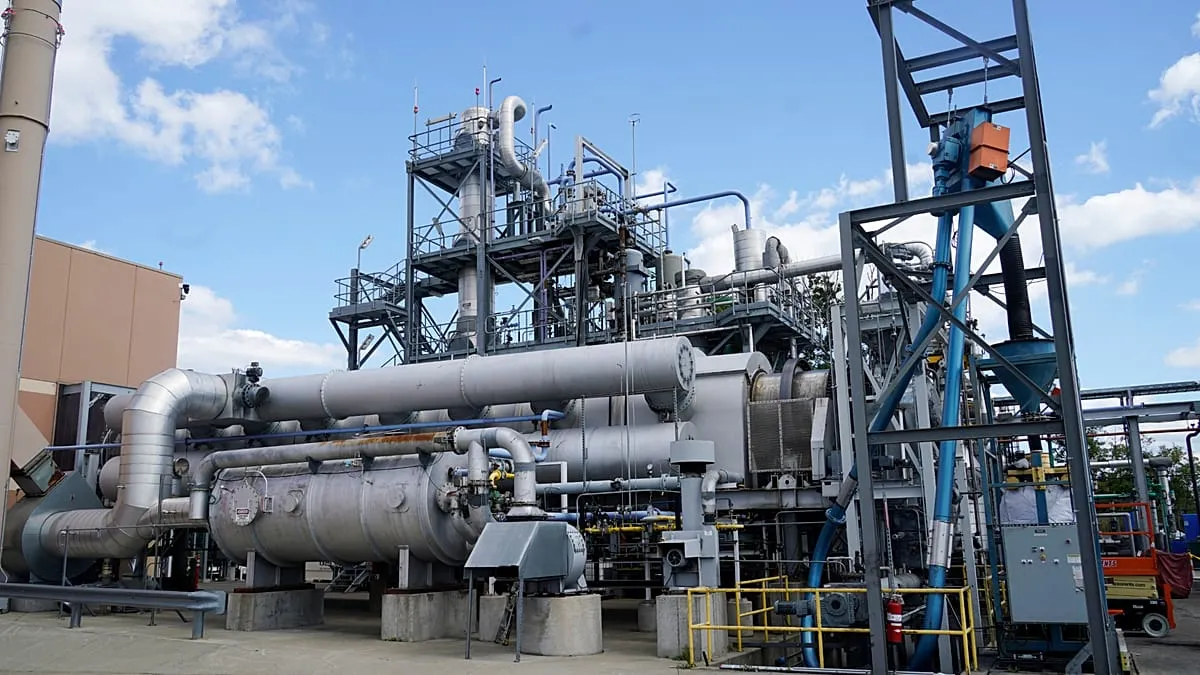
- Green energy - Here's the plot twist nobody asked for: soaring oil prices caused by regional instability are making renewable energy dramatically more cost-competitive, turbocharging investment in solar, wind, and battery storage.
The not-so-great news for everyone else
The broader global economic picture is, to use the technical term, rough. Continued conflict in the region is putting pressure on energy supply chains, spiking inflation fears, and generally making central bankers sweat through their very expensive suits. The Al Jazeera report paints 2026 as a year of economic stress for most of the world - higher costs, tighter trade, and markets walking a tightrope.
The uncomfortable math of modern warfare
There's an old, cynical truism that wars are good for business - and the data being reported here does little to challenge it. The troubling irony highlighted in the Al Jazeera analysis is that some of the industries most loudly championed by Western governments as pillars of a modern economy - tech, green energy, financial markets - are among those materially benefiting from prolonged instability.
Green energy advocates will rightly point out that the long-term case for renewables doesn't need a war to make sense. But the short-term numbers don't lie: nothing makes a solar farm look attractive like a $120-per-barrel oil price.
As for AI and Wall Street? They were going to find a way to make money regardless. That's just kind of their whole thing.
Source: Al Jazeera, April 17, 2026.