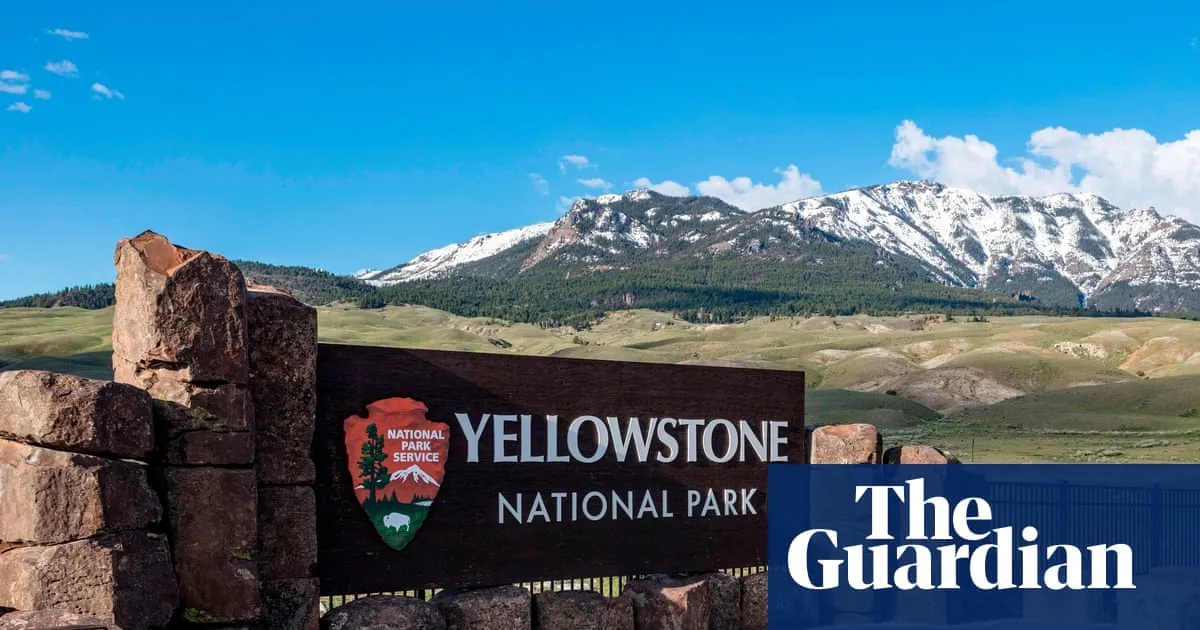
Pack your binoculars AND your rifle, folks - the great American national park experience is getting a bit more... adventurous. The Trump administration has been quietly nudging managers at 55 national parks, refuges, and wilderness areas to roll back hunting restrictions, and conservationists are absolutely losing it.
So what actually happened?
According to reporting by The Guardian, Interior Secretary Doug Burgum issued an order back in January directing federal land agencies to ditch what he called "unnecessary regulatory or administrative" barriers to hunting and fishing. Since then, managers across 55 sites have complied by lifting existing prohibitions - making formerly off-limits areas fair game (pun very much intended).
The move is part of a broader Trump administration push to expand access to public lands, framed as a pro-sportsman, anti-red-tape policy win. Supporters argue that hunting is a legitimate land-use tradition with deep roots in American conservation history - and they're not entirely wrong about that part.
The part where people start yelling
Here's where things get spicy. Critics and wildlife advocates are raising two very reasonable concerns that don't exactly scream "relaxing family vacation."
- Visitor safety: When you open up areas previously closed to hunting, hikers, birdwatchers, and that one guy who insists on trail running in a bright orange vest suddenly share space with people carrying firearms. The overlap isn't trivial.
- Wildlife impact: Many of these restrictions existed for a reason - protecting species in sensitive habitats, during breeding seasons, or in areas where animal populations simply couldn't absorb additional hunting pressure.
Conservation groups are particularly alarmed about refuges and wilderness areas that were designated precisely because they serve as sanctuaries for vulnerable species. Removing protections at 55 locations in one administrative sweep is not, shall we say, a surgical approach.
The bigger picture
This isn't happening in a vacuum. The rollback fits neatly into a pattern of the current administration fast-tracking access to public lands - for energy extraction, grazing, and now expanded hunting. Each individual change can be framed as minor. Taken together, they represent a significant philosophical shift in how the federal government views the purpose of protected lands.
Whether you see this as liberating American sportsmen from bureaucratic overreach or as quietly dismantling decades of wildlife protection probably depends a lot on whether you brought a rifle or a bird identification book on your last park visit.
The Guardian's full reporting on this story is available at their website, and frankly, Yogi Bear could not be reached for comment.