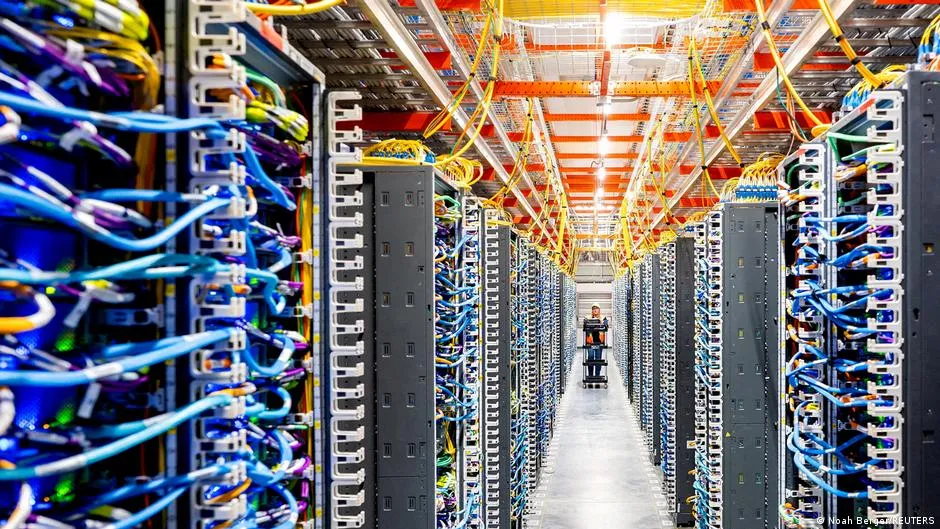
Congratulations, humanity. We spent decades building an entire civilization on top of giant, energy-guzzling warehouses full of humming servers - and it took a war to remind us those buildings can be destroyed. Classic us.
According to a report by DW, data centers have become the indisputable backbone of modern society. These facilities power everything from your embarrassing cloud photo backups to global banking systems, and thousands of new ones are being constructed around the world as demand for digital services continues to explode. They are, in every meaningful sense, the beating heart of the digital economy.
The Iran wake-up call nobody asked for
The conflict involving Iran reportedly served as a stark demonstration of just how exposed societies become when critical digital infrastructure is threatened. When the systems underpinning communications, logistics, and finance wobble - or go dark entirely - the real-world consequences cascade fast and ugly. Think less "minor inconvenience" and more "entire sectors grinding to a halt."
DW's reporting frames data centers not just as tech curiosities but as legitimate strategic targets - the kind of infrastructure that, if disrupted, can bring a modern economy to its knees without a single soldier crossing a border.
Hungry for power, thirsty for security
Here's the double bind that makes this problem especially spicy: data centers are energy-intensive beasts. They require enormous, consistent power supplies, significant cooling infrastructure, and reliable connectivity. That makes them both expensive to run AND difficult to fully protect. You can't exactly hide a building that pulls as much electricity as a small city.
The global buildout of these facilities is accelerating precisely because AI, streaming, cloud computing, and connected devices keep demanding more and more processing power. We are, quite literally, constructing more critical vulnerabilities every single day in the name of progress.
So what's the plan?
Experts and policymakers are increasingly pushing for data centers to be treated with the same seriousness as power grids, water treatment facilities, and other critical infrastructure - which means redundancy planning, physical security upgrades, and serious conversations about geographic distribution of systems.
The uncomfortable truth, as DW's report highlights, is that digitalization has made societies immensely more capable and connected - and immensely more fragile at the same time. The next major conflict, cyberattack, or natural disaster probably won't announce itself before hitting the server room.
Maybe it's time we stopped treating the buildings that hold the entire internet together like slightly important warehouses and started treating them like the civilization-critical infrastructure they actually are. Just a thought.