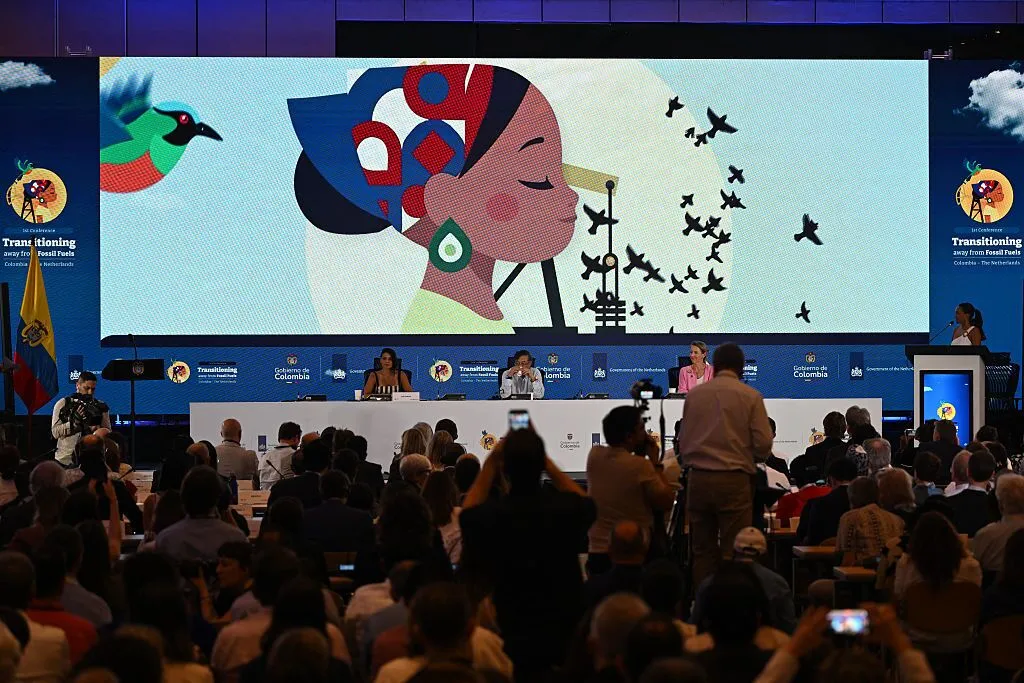
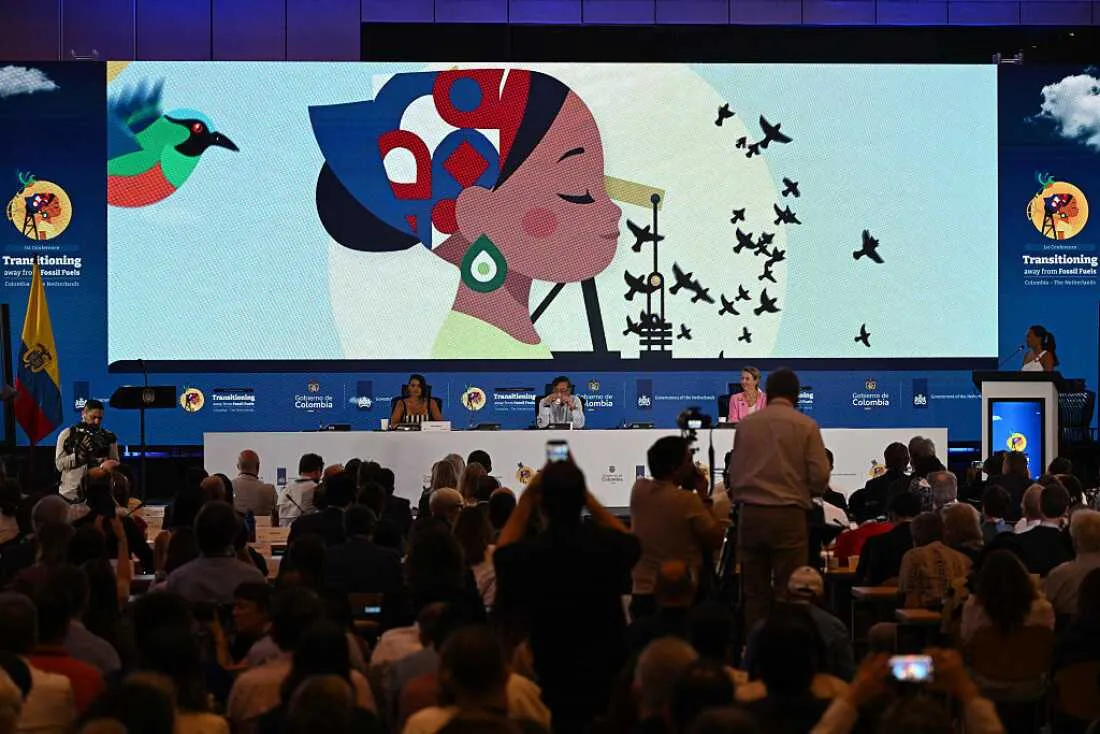
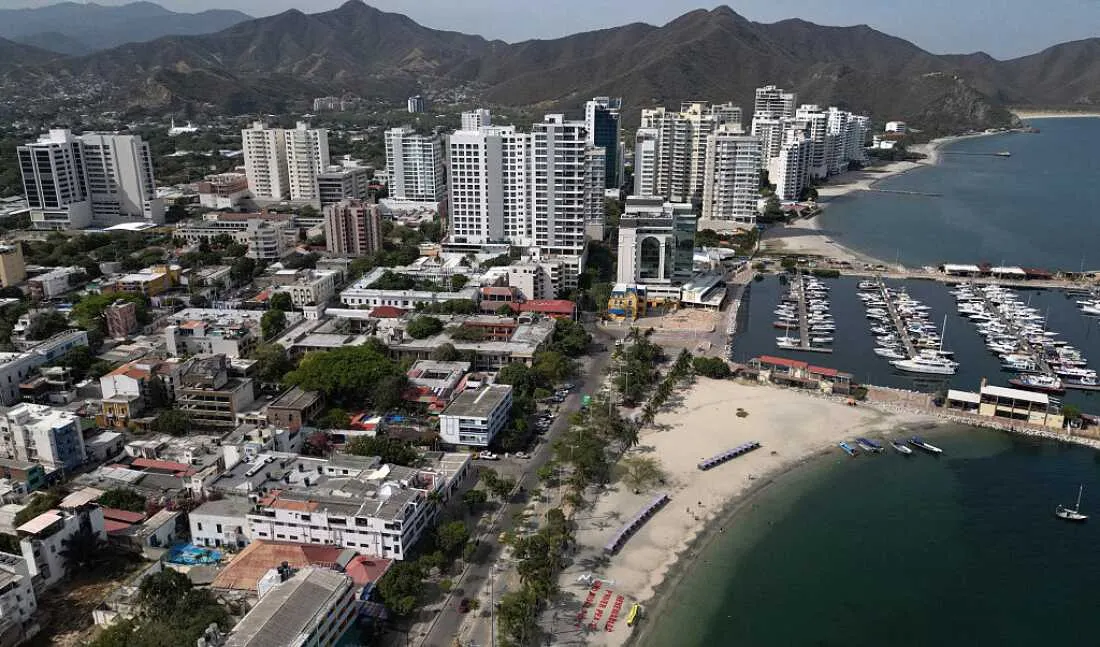
More than 50 countries have descended on the sun-soaked coastal city of Santa Marta, Colombia, for what organizers hope will be a genuine turning point in how the world handles its deeply codependent relationship with oil, gas, and coal - according to reporting by NPR.
The timing is, to put it mildly, loaded. The conference is happening against the dual backdrop of an ongoing global energy crisis and a planet that keeps breaking heat records like they're going out of style. Nothing says "let's talk about the future" quite like sweating through your shirt in a seaside conference hall.
So what's actually on the table?
Unlike the glossy but often toothless climate summits of years past, this gathering is reportedly focused on concrete mechanisms for phasing out fossil fuels - not just pledging to think about maybe considering it someday. The emphasis on "phase out" rather than "phase down" (yes, those are very different things in climate diplomacy, and yes, people have screamed at each other about the distinction) signals that at least some participants are done playing word games.
Colombia itself is an interesting host choice. The country is a significant oil producer, yet President Gustavo Petro has made transitioning away from fossil fuel dependency a central pillar of his government's agenda - which has, predictably, made a lot of people in the Colombian energy sector extremely grumpy.

Reasons for cautious optimism... and the usual cynicism
Climate advocates are pointing to this conference as potentially meaningful because it brings together nations from the Global South - historically the biggest victims of climate change and the smallest contributors to it - alongside wealthier fossil fuel-dependent economies. That kind of coalition-building is exactly what has been missing from previous efforts, according to NPR's coverage.
The skeptics, of course, are already sharpening their keyboards. Previous international climate commitments have a track record that could generously be described as "aspirational" and less generously described as "a masterclass in kicking the can down a rapidly warming road."
What happens next?
The real test will be whether the discussions in Santa Marta produce anything with teeth - binding commitments, financial mechanisms, or at minimum a framework that future negotiations can build on. The world has heard the fossil fuel breakup speech before. This time, delegates and climate watchers are hoping someone actually changes the locks.
As NPR notes, the stakes couldn't really be higher - for the climate, for energy security, and for the millions of people already living on the front lines of a crisis that largely wasn't their fault.