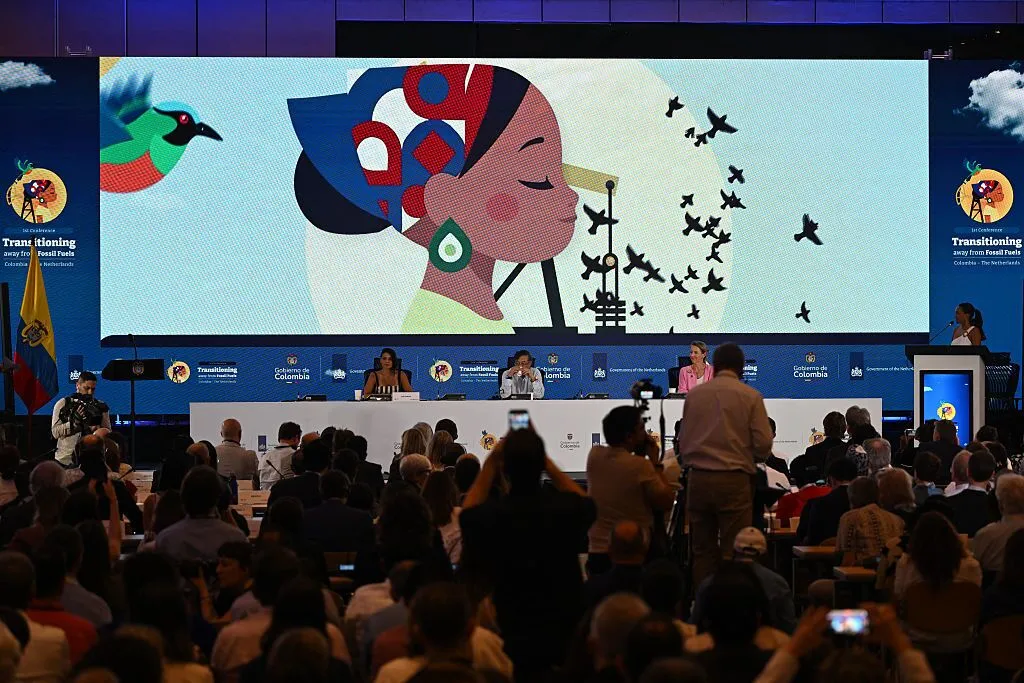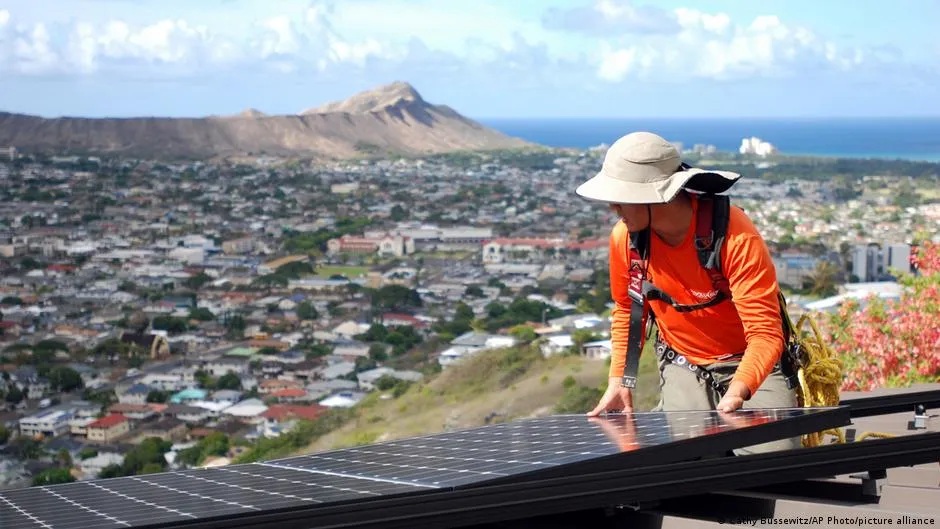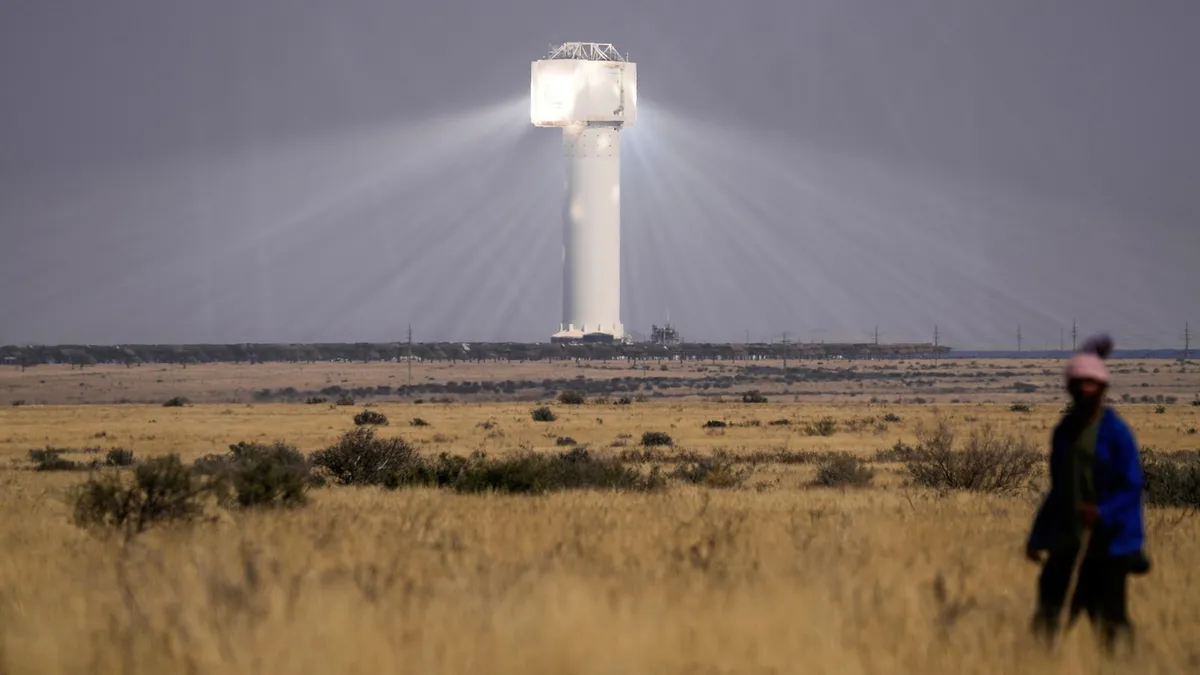
The world's biggest climate conferences have become a bit of a ritual at this point: rich nations show up, wave large numbers around like confetti, promise billions for Africa's green energy transition, and then... nothing gets built. According to reporting by ABC News, the latest culprit holding up the party is something far less glamorous than geopolitics - it's the boring, bureaucratic world of credit ratings and financing costs.
The money is theoretically there. So where is it?
The core problem, as the ABC News report lays out, is that the cash pledged for Africa's clean energy transition isn't translating into actual projects on the ground. High financing costs - driven in large part by how credit rating agencies assess African nations and their projects - are scaring away private investors before a single solar panel gets installed.
Think of it this way: if a country gets slapped with a poor credit rating, lenders demand higher interest rates to compensate for the perceived risk. For energy projects that already require massive upfront capital, those higher borrowing costs can make the entire thing financially unviable before anyone even breaks ground.
The risk perception problem
Critics have long argued that international credit rating agencies systematically overestimate the risk of investing in African economies - applying assumptions that don't reflect local realities. The result is a self-fulfilling prophecy: high perceived risk leads to high financing costs, which leads to fewer projects, which leads to less data to challenge the original risk assessment. Rinse and repeat.
This isn't just an African problem - it's a global climate problem. The continent holds enormous renewable energy potential, particularly in solar and wind, and analysts have repeatedly pointed out that unlocking African clean energy is essentially non-negotiable if the world wants to hit its climate targets.
Pledges vs. pipelines
The gap between pledged climate finance and actual deployed capital has become one of the defining frustrations of international climate diplomacy. Developing nations have grown increasingly vocal about the fact that the money announced at places like COP summits rarely arrives in the form they need - often showing up as loans rather than grants, at interest rates that make projects nearly impossible to execute.
Until the structural issues around credit ratings and risk assessment get reformed - whether through new multilateral financing tools, credit guarantees, or pressure on rating agencies to revise their methodologies - the billions on paper will keep staying on paper.
Africa's clean energy future isn't waiting on sunlight. It's waiting on someone to fix the accounting.