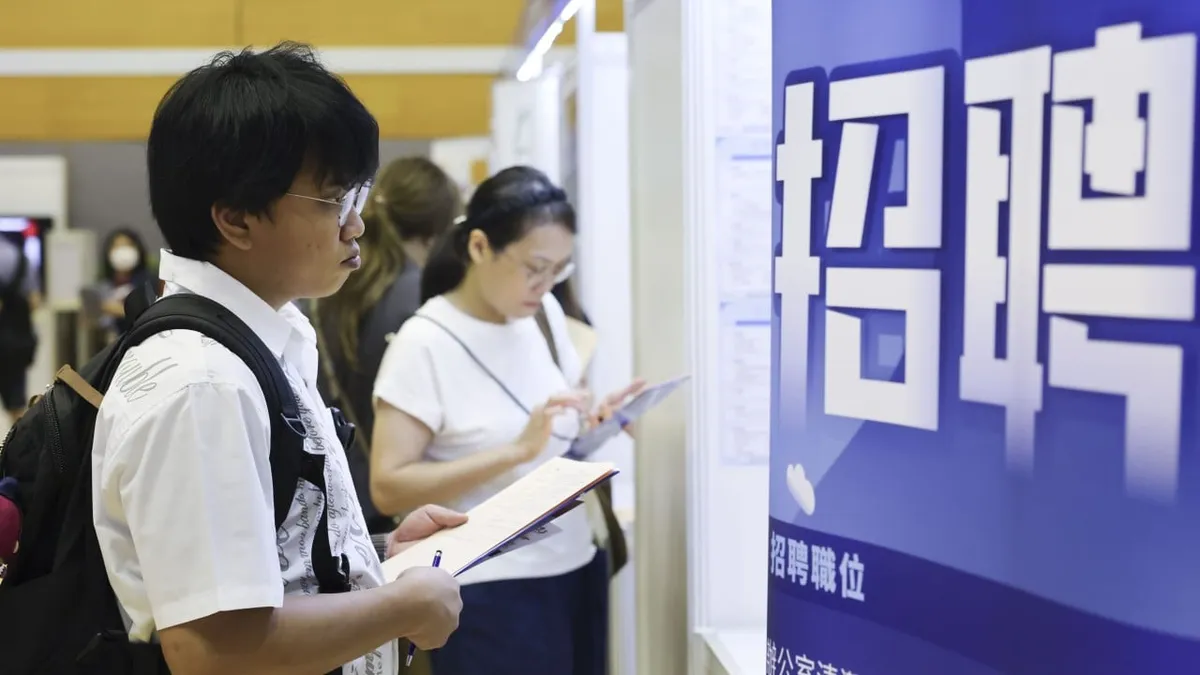
Somewhere between acing your finals and updating your LinkedIn banner photo, a silent workforce revolution has apparently eaten your future job. At least, that is the experience of a growing number of Hong Kong graduates who are discovering that the entry-level market has gotten a whole lot thinner - and AI is getting most of the blame.
Thirty applications, one interview
According to a report by the South China Morning Post, Harry Dong, a 23-year-old University of Hong Kong student set to graduate in December, has spent over two months firing off between 30 and 40 job applications across Hong Kong's event management, technology, and education sectors. His return on investment? A grand total of one interview. And he was only applying for internships, not even daring to aim for full-time roles.
"It's too hard for us to find a full-time job directly. Each company has opened only one to three positions because AI has taken the rest," Dong told the SCMP.
That is a pretty brutal quote to carry into your final semester.
The 'utilitarian employer' era
The SCMP report frames this as a broader shift toward what some are calling "utilitarian" hiring - companies becoming increasingly selective and lean with entry-level headcount as AI tools absorb tasks that were traditionally handed off to junior staff. Think data entry, basic research, drafting, scheduling - the classic grunt work that used to be the training ground for the next generation of professionals.
The concern is not just that fewer jobs exist, but that fewer learning opportunities exist. Entry-level roles have historically served as on-ramps into industries. If AI is paving over those ramps, fresh graduates may find themselves in a paradox where they need experience to get a job, but cannot get a job to gain experience - a loop that was already annoying before generative AI showed up to make it worse.
Not just a Hong Kong problem
While Dong's story comes from Hong Kong, the pattern he describes is echoing across global job markets. Tech layoffs, cautious post-pandemic hiring, and now AI-driven efficiency gains are combining into a particularly rough environment for new graduates entering the workforce in 2024 and 2025.
Whether this represents a temporary shakeout or a permanent structural shift in how companies think about junior talent remains an open and genuinely important question - one that universities, policymakers, and frankly students themselves deserve a straight answer to.
In the meantime, Harry Dong is still waiting on callbacks. Thirty to forty applications deep, and the robots are not even sending rejection emails.