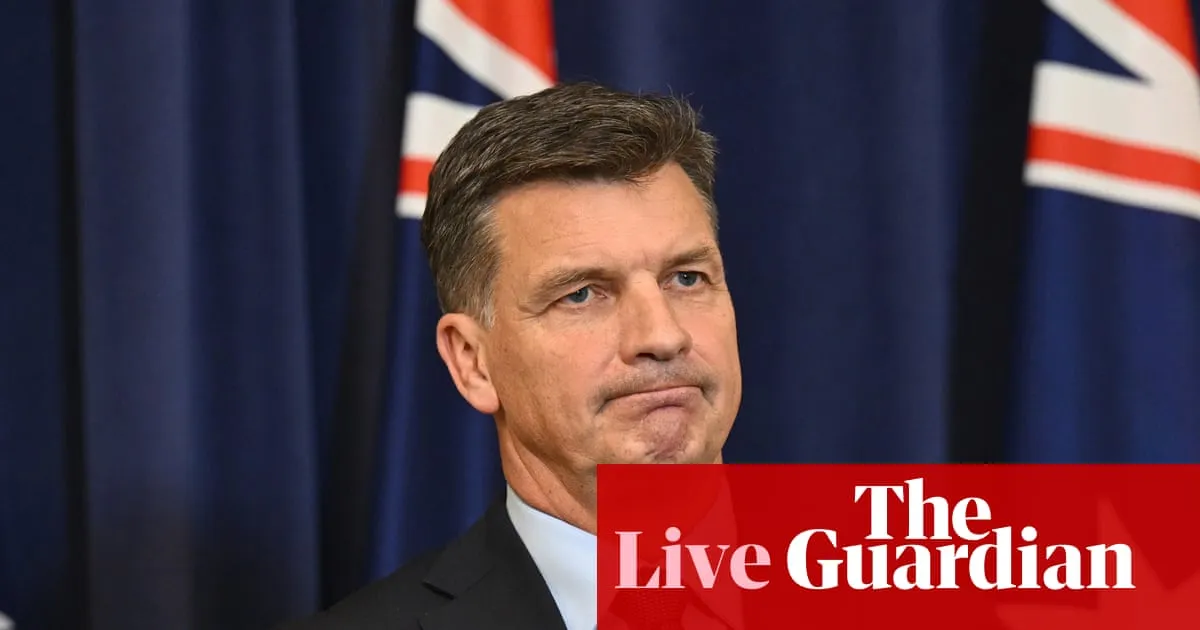
Australian Prime Minister Anthony Albanese has announced he will convene a meeting of the national cabinet this week to address the ongoing fuel crisis, signalling that the government views the situation as requiring sustained coordination between federal, state, and territory leaders.
Albanese made the announcement during an appearance on the ABC's 7.30 program, according to reporting by The Guardian. The prime minister indicated the meeting would focus on what he described as the 'long tail' of the crisis - suggesting authorities expect the disruption to continue beyond any immediate supply fixes.
Refining capacity under review
Among the options under consideration is a potential increase in Australia's domestic oil refining capacity. The country has long been reliant on imported refined fuel, a vulnerability that has drawn renewed scrutiny during the current supply disruption.
Expanding refining capability domestically has been debated in Australian policy circles for years, with proponents arguing it would reduce the nation's exposure to global supply chain shocks. Any significant expansion, however, would require substantial investment and time to implement.
National cabinet involvement
The decision to bring the national cabinet into discussions reflects the cross-jurisdictional nature of fuel supply and distribution in Australia, where state and territory governments play significant roles in infrastructure and emergency management.
National cabinet meetings, which bring together the prime minister alongside state premiers and territory chief ministers, have been used since their establishment during the COVID-19 pandemic to coordinate responses to major national challenges.
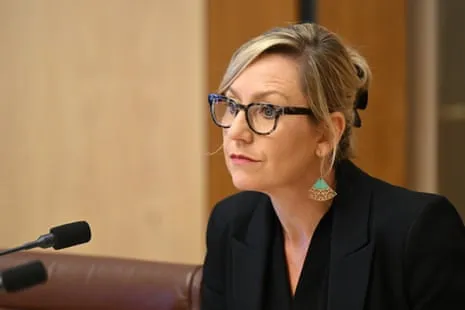
Albanese's move to reconvene the body on fuel supply issues suggests the federal government is treating the situation as a significant and ongoing concern rather than a short-term disruption.
Cost of living backdrop
The fuel crisis is unfolding against a broader cost-of-living squeeze facing Australian households. Fuel prices directly affect transportation costs for both consumers and businesses, adding pressure to an economy already grappling with elevated inflation and household budget stress.
Further details on the national cabinet meeting's outcomes and any specific policy measures are expected to emerge later this week.