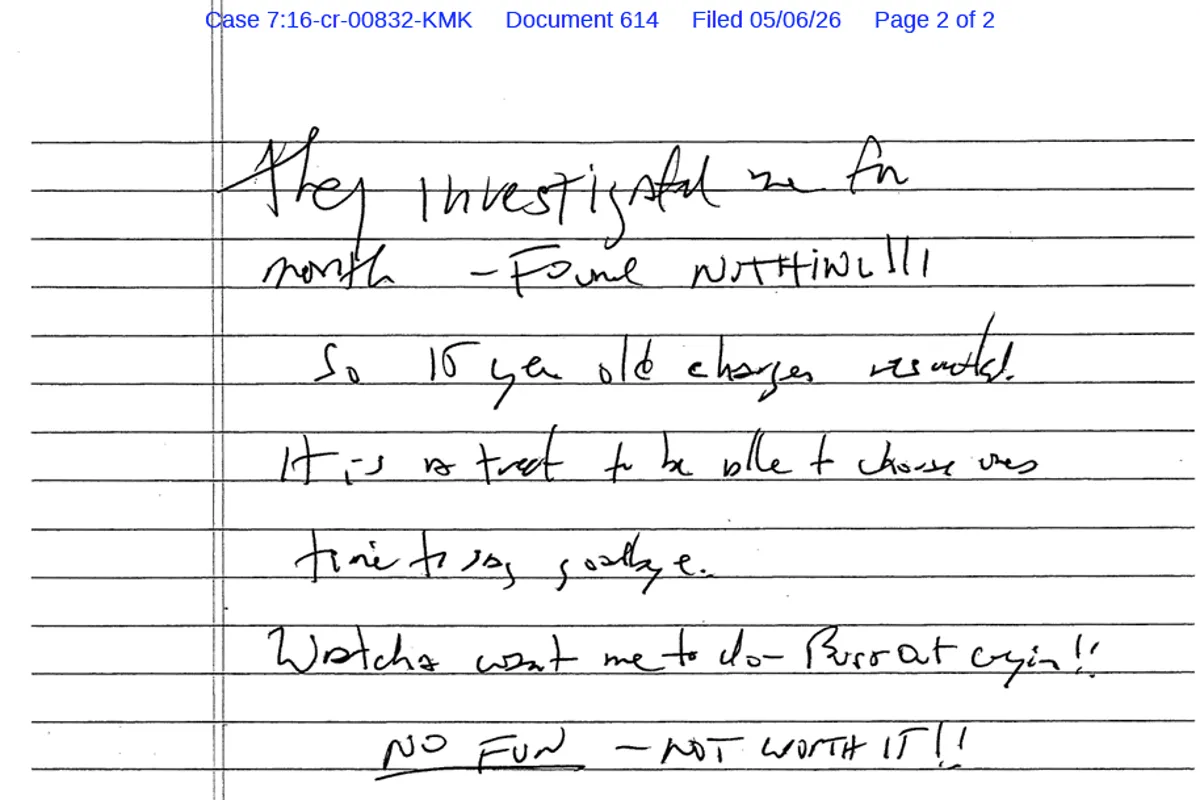
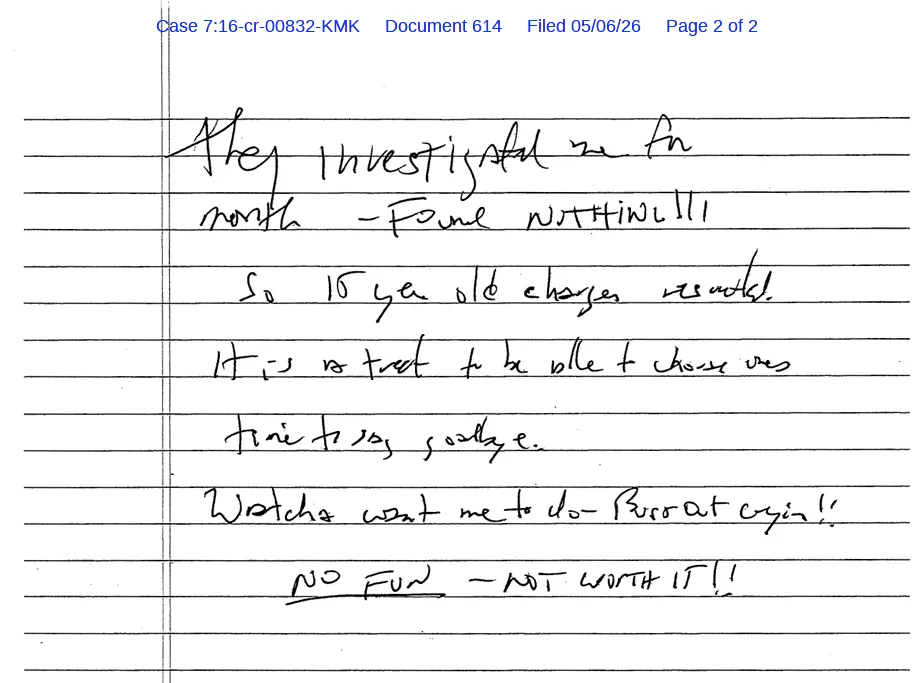
A federal judge has ordered the release of a document described as Jeffrey Epstein's suicide note, according to reporting by The Independent. The note had been sealed since the convicted sex offender was found dead in his Manhattan federal detention cell in August 2019.
The New York Times petitioned the court to unseal the document, a move that followed public statements by Epstein's former cellmate, who had previously described the contents of the message. The judge granted the petition, making the note available as part of ongoing legal proceedings.
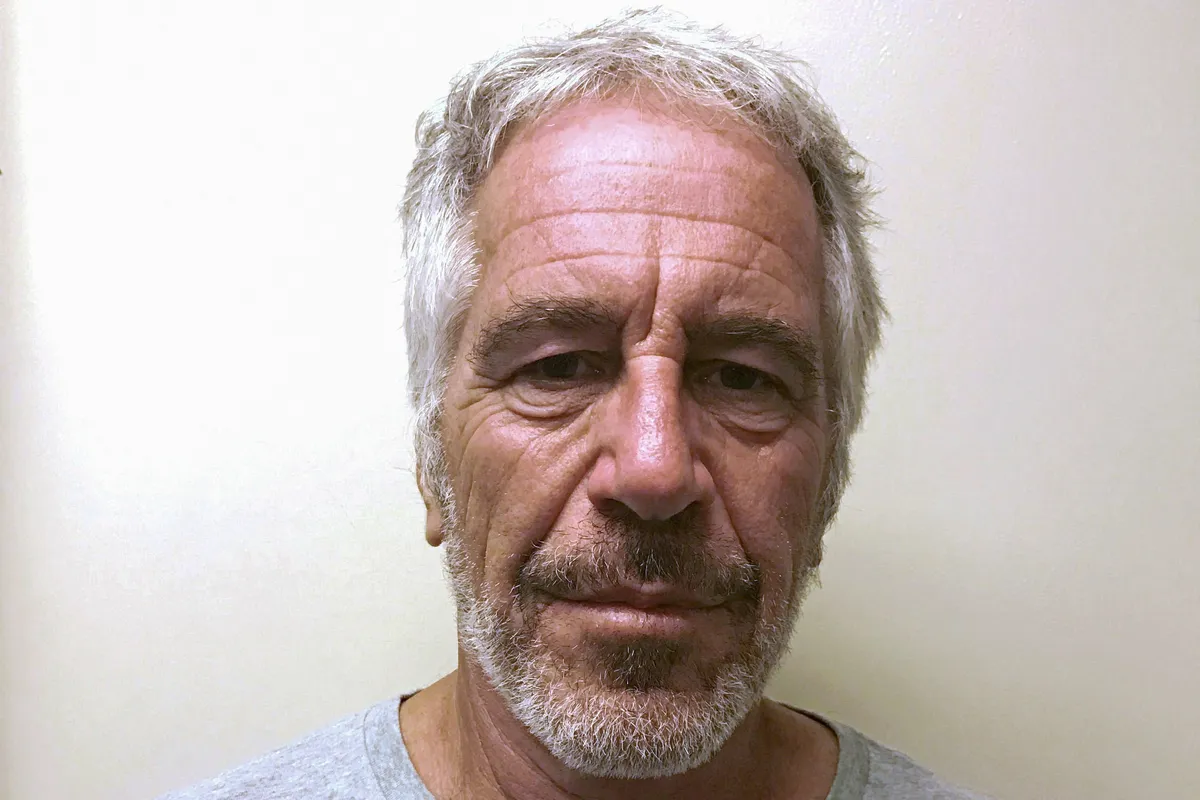
Epstein, a wealthy financier, died while awaiting trial on federal sex trafficking charges. His death was ruled a suicide by hanging by the New York City medical examiner, though that finding prompted widespread skepticism and numerous conspiracy theories. A subsequent independent autopsy commissioned by Epstein's brother reached a different conclusion, finding the injuries more consistent with homicide.
The release of the note adds a new dimension to a case that has remained a subject of intense public and legal scrutiny. Epstein had been connected to a broad network of powerful figures in finance, politics, and entertainment, and investigations into alleged co-conspirators and enablers have continued in the years since his death.
His former associate Ghislaine Maxwell was convicted in December 2021 on federal charges of sex trafficking and other crimes related to the abuse of underage girls and was sentenced to 20 years in prison. Maxwell has maintained her innocence and filed appeals.
The unsealing of documents connected to the Epstein case has been a recurring legal battleground. Courts have previously ordered the release of other sealed materials, including deposition transcripts and correspondence, following petitions from media organizations and victims' advocates arguing that the public interest outweighs claims of privacy.

The Independent reported that the note's release follows the intervention of Epstein's former cellmate, whose public account of the message's contents contributed to the Times' legal argument that the document was already, in practical terms, partially public.
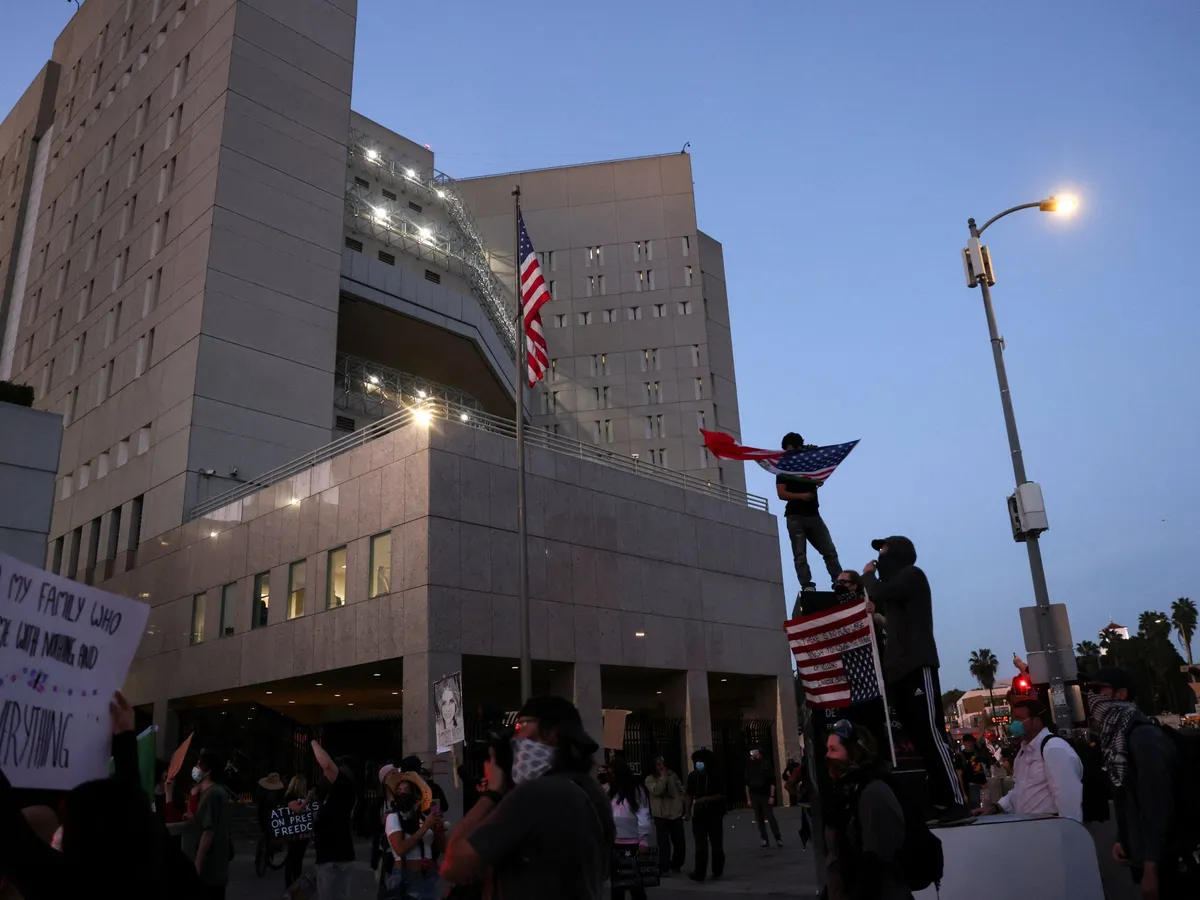
Federal authorities have faced persistent questions about the circumstances of Epstein's death, including failures in supervision at the Metropolitan Correctional Center in New York, where he was being held. Two correctional officers who were on duty the night Epstein died were charged with falsifying prison records but were later allowed to enter a deferred prosecution agreement.