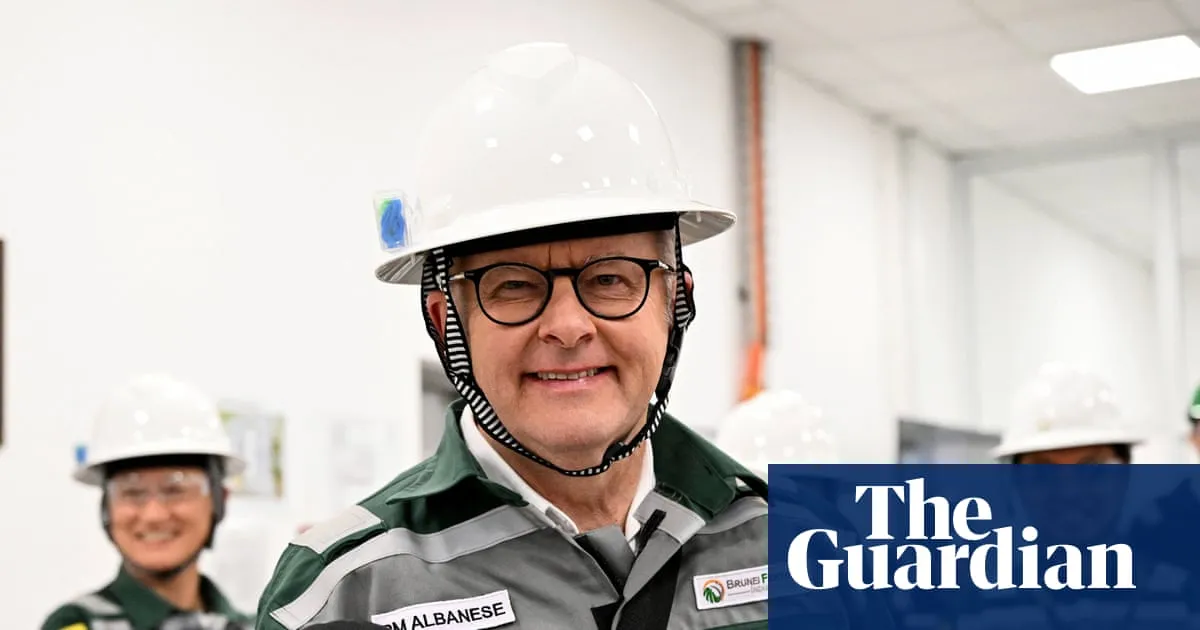
Australian Prime Minister Anthony Albanese's diplomatic push across Asia has begun producing tangible results in securing fuel and fertiliser supplies, though analysts caution that the broader test of the country's supply resilience is still ahead, according to reporting by The Guardian.
The prime minister made a rapid visit to Singapore last week before returning to Australia, part of an intensified effort to lock in supply arrangements with key regional partners. The trip was pulled forward from its original schedule, signaling urgency in Canberra over Australia's exposure to disruptions in global commodity markets.
Early diplomatic returns
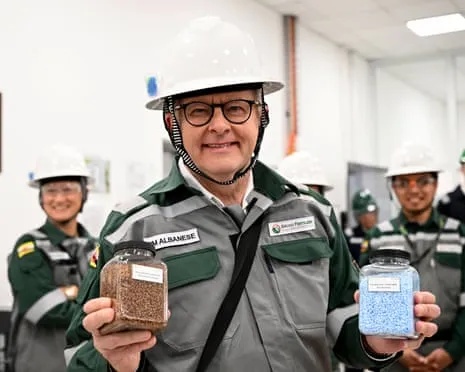
The visits have produced early commitments on fuel and fertiliser - two commodities considered critical to Australia's domestic economy and agricultural sector. Details of specific agreements were not fully disclosed, but the momentum from the tour has been noted in government circles as a positive early outcome.
The diplomatic activity reflects a wider reassessment within the Australian government of the country's dependencies on international supply chains, a vulnerability that has become more apparent amid ongoing global trade uncertainty and geopolitical tensions.
Resilience as a budget priority
The push for stronger supply arrangements is expected to carry through to Australia's upcoming federal budget, where "resilience" is being flagged as a key theme. This signals a shift toward policies that would reduce Australia's exposure to external shocks, particularly in energy and agricultural inputs.
The Guardian reports that while Albanese has managed to navigate the immediate pressures, the structural question of how dependent Australia remains on global events has not been resolved. Government officials are increasingly acknowledging that short-term diplomatic wins must be backed by longer-term domestic policy changes.
Broader context
Australia has faced recurring concerns in recent years about the security of fuel reserves, with the country heavily reliant on imported refined petroleum. The agricultural sector's dependence on fertiliser imports adds another layer of vulnerability, particularly as global supply chains remain unsettled.
The prime minister's regional tour is part of a pattern of Australian leaders investing more heavily in bilateral relationships across Asia as a hedge against global instability. Whether the early fruits of these visits translate into durable supply security will likely depend on both diplomatic follow-through and the domestic budget measures to come.