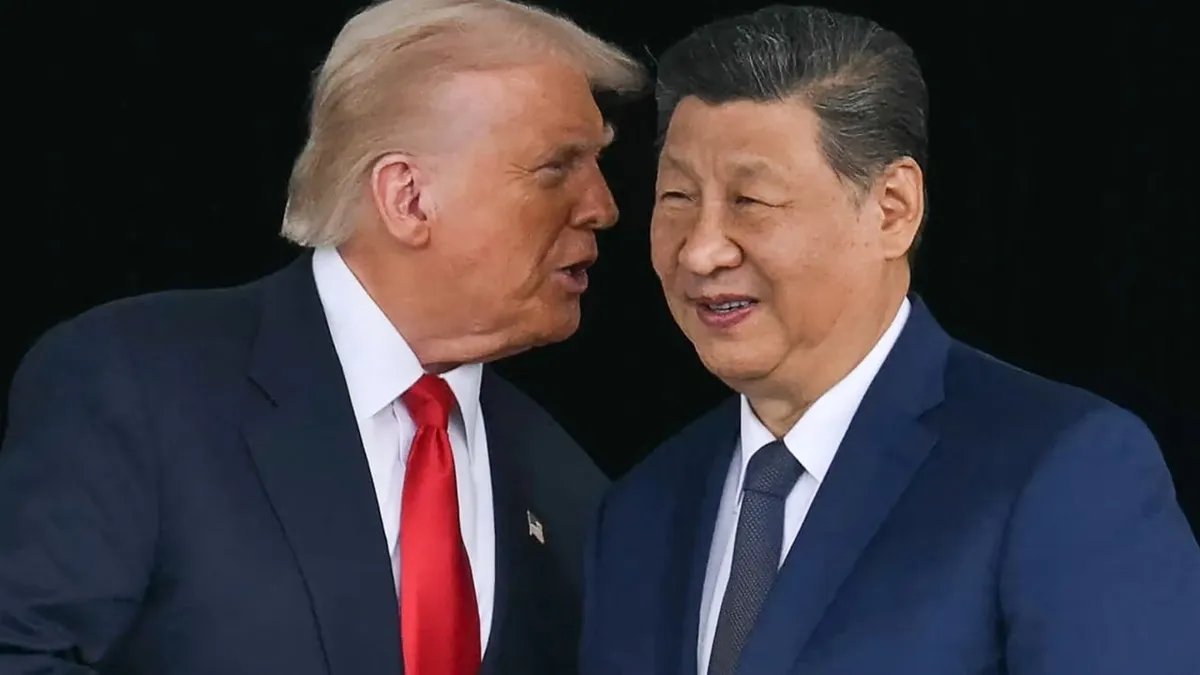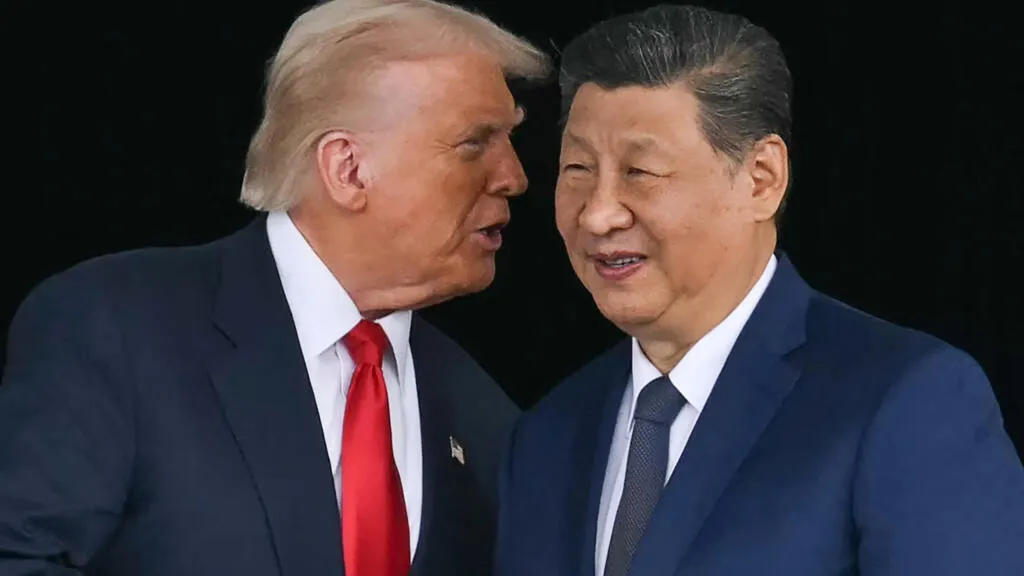
U.S. President Donald Trump's planned visit to Beijing is expected to be shaped heavily by the ongoing war in Iran, complicating what both Washington and Beijing have framed as an opportunity to reset strained bilateral relations, according to reporting by France 24's Access Asia program.
Both sides are said to be approaching the visit with an interest in stabilizing ties that have been battered by trade disputes, geopolitical competition, and disagreements over regional security. However, analysts and officials on both sides of the Pacific are watching closely to see how the Iran conflict will factor into negotiations and public messaging during the trip.
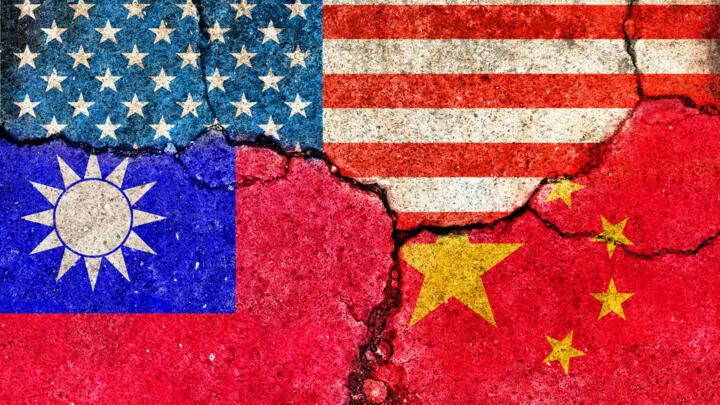
A diplomatic reset complicated by conflict
The war in Iran introduces a significant variable into U.S.-China diplomacy. China has maintained economic and diplomatic relationships with Iran, while the United States has been directly involved in military operations against Tehran. The divergence in their positions on the conflict is expected to be a central point of tension during the Beijing visit.
Any joint statement or communique emerging from the summit will likely need to navigate this fundamental disagreement, with both governments under domestic pressure to project strength and principle on the Iran question.
The visit comes at a moment when broader U.S.-China relations remain fraught. Trade tariffs, disputes over Taiwan, and competition for influence across Asia have kept diplomatic channels under stress, even as both governments have periodically signaled interest in stabilizing the relationship.
Cultural perspectives alongside geopolitics
The Access Asia segment also highlights the work of Sid Pattni, an Australian artist of Indian descent currently based in Paris as part of an artist residency. Pattni's work, according to France 24, examines questions of identity and belonging through a post-colonial lens - themes that resonate across the Asia-Pacific region as countries continue to reckon with legacies of empire and questions of national and cultural identity.

Pattni's presence in Paris and his cross-cultural background reflect a broader pattern of artists from the Asia-Pacific diaspora engaging with European institutions while drawing on their own complex heritage to interrogate concepts of home, belonging, and historical memory.
The combination of high-stakes diplomatic maneuvering in Beijing and Pattni's reflective artistic practice illustrates the range of ways Asia-Pacific perspectives are playing out on the world stage - from the corridors of power to the walls of Parisian galleries.
France 24's Access Asia program published this report on May 8, 2026.