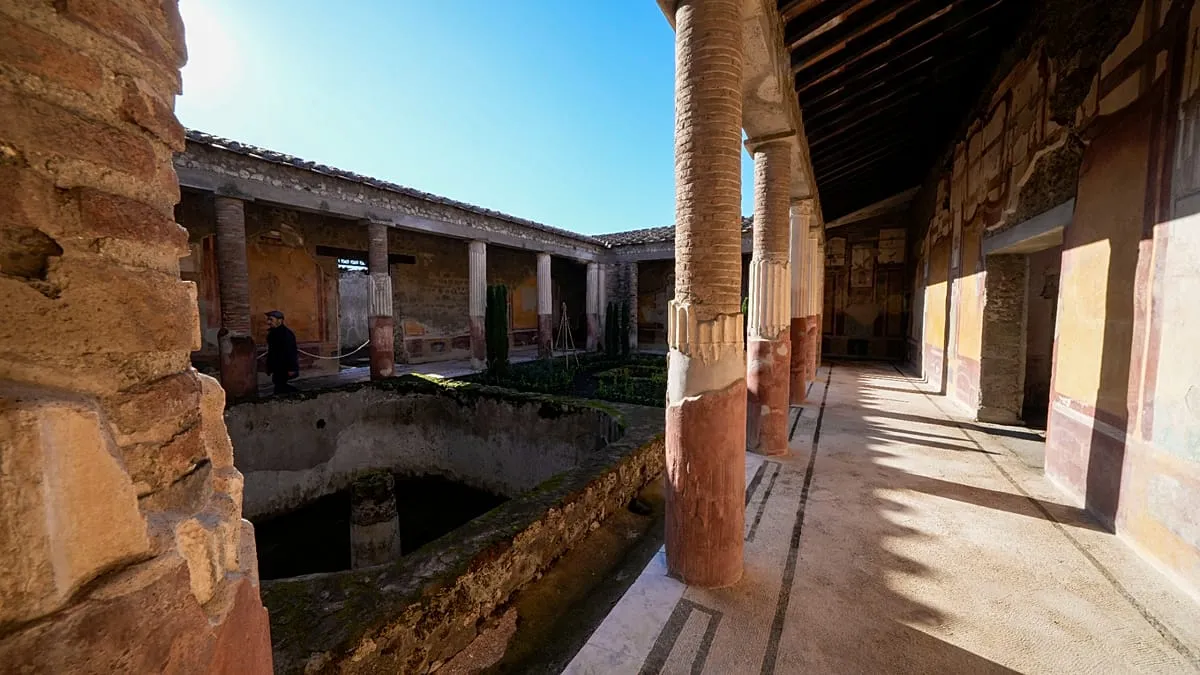
Turns out you CAN have nice things AND save the planet, even if those nice things are 2,000-year-old ruins buried under volcanic ash. Pompeii and the Portuguese city of Évora are quietly becoming the poster children of a surprisingly elegant engineering challenge: how do you slap solar panels on a UNESCO World Heritage Site without making historians weep into their amphoras?
The answer, according to reporting by Euronews Culture, is deception. Beautiful, architecturally sensitive deception.
Blending in, not sticking out
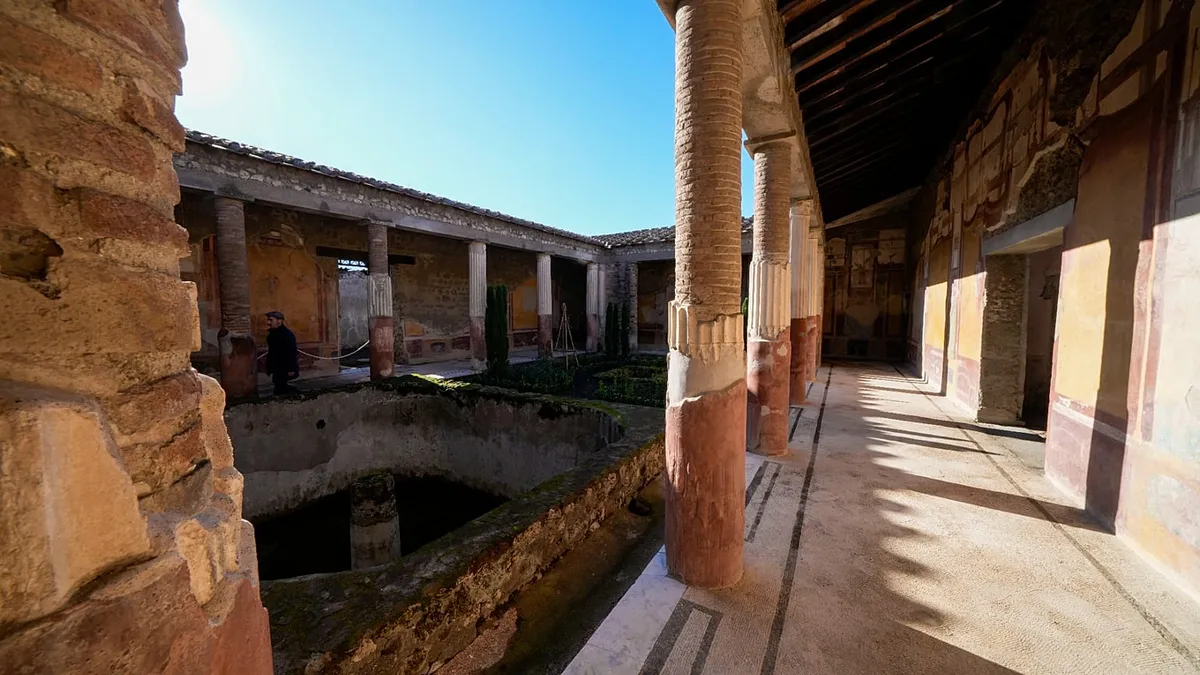
At Pompeii, the approach involves solar panels designed to mimic the look of traditional Roman terracotta roof tiles. From ground level, or from the kind of respectful tourist distance these sites demand, the tech is essentially invisible. The panels carry the warm ochre tones and curved profile of ancient roofing materials, hiding kilowatts behind centuries of aesthetic.
Évora, a walled Roman city in southern Portugal whose historic centre has been UNESCO-listed since 1986, faces a similar balancing act. The city's approach focuses on integrating solar solutions that respect the existing skyline rather than punctuating it with shiny rectangular intruders. The goal is the same: generate clean energy without visual contamination of sites that took millennia to look this good.

Why does this matter beyond the obvious?
Heritage sites are notoriously difficult to decarbonise. They can't just retrofit in the casual way a 1970s office block can. Planning restrictions, conservation laws, and the genuine cultural weight of these places mean that any intervention has to pass a much higher bar than "does it generate electricity?"
The Pompeii and Évora projects suggest that bar is clearable. If solar technology can be made sympathetic enough to satisfy heritage regulators at some of Europe's most protected locations, it dramatically widens the scope of where renewable energy can realistically be deployed.
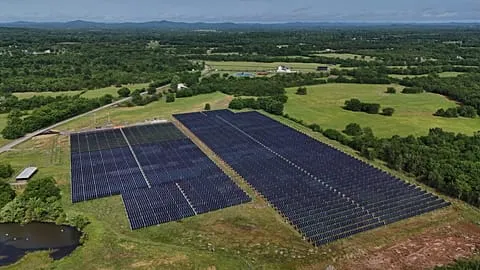
It also, frankly, gives the "green vs. beautiful" debate a much-needed kick in the logic. The argument that sustainability infrastructure is inherently ugly has long been used as a reason to stall projects near historic areas. These sites are dismantling that excuse tile by tile.
The bigger picture
Europe has hundreds of UNESCO-listed sites. Many of them sit in sun-drenched southern regions with significant solar potential that has historically gone untapped because nobody could figure out how to do it without turning a Roman forum into something resembling a tech park.
According to Euronews, the work at Pompeii and Évora is being watched closely as a potential model for heritage sites across the continent. If the invisible solar concept scales, it could unlock clean energy generation in places where it was previously considered off-limits.
The Romans built aqueducts, underfloor heating, and a road network that lasted centuries. Hiding solar panels in their old tiles might be the most on-brand tribute imaginable.