Kenya is having a very bad time right now, and no, it is not a political scandal for once. Ongoing rains have triggered devastating floods and landslides across the East African nation, killing at least 18 people, according to a report by Al Jazeera published on May 3, 2026.
What is happening on the ground
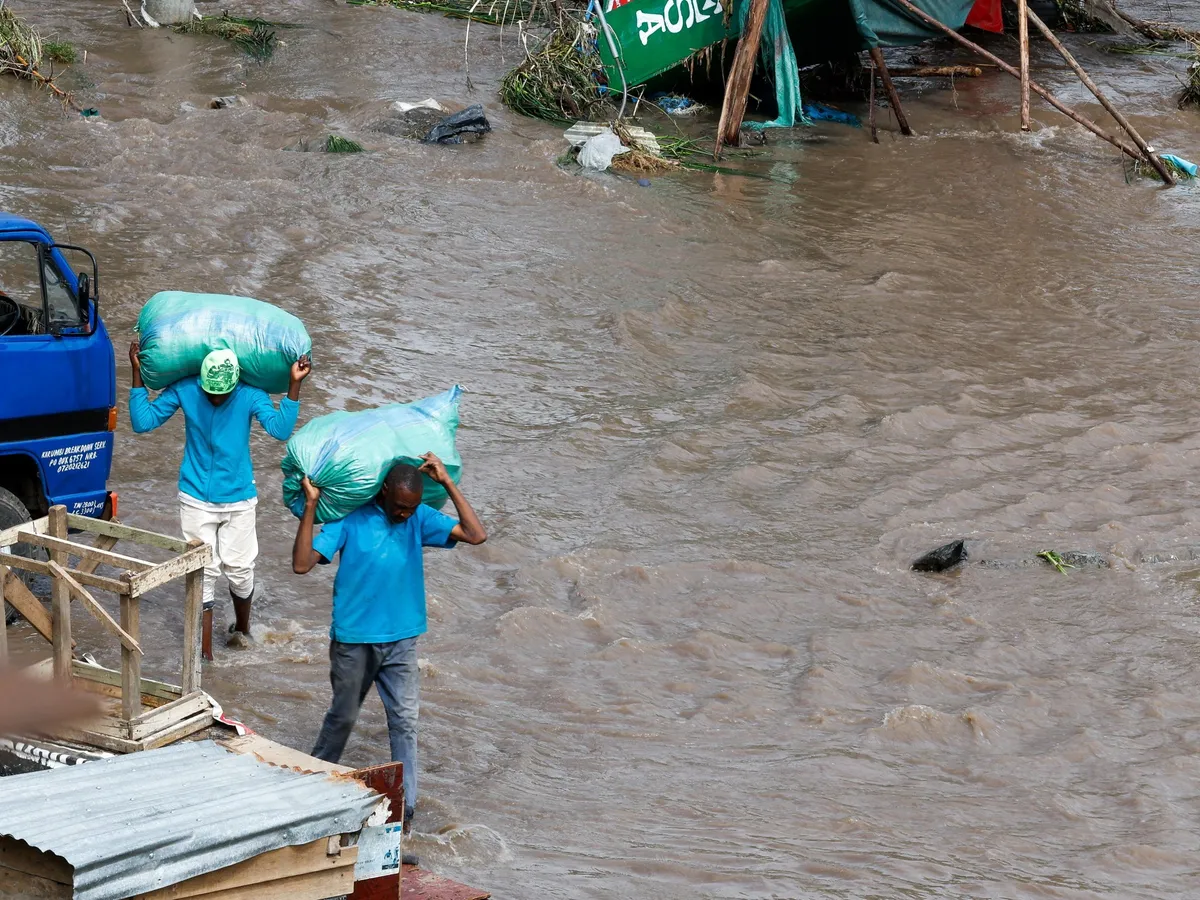
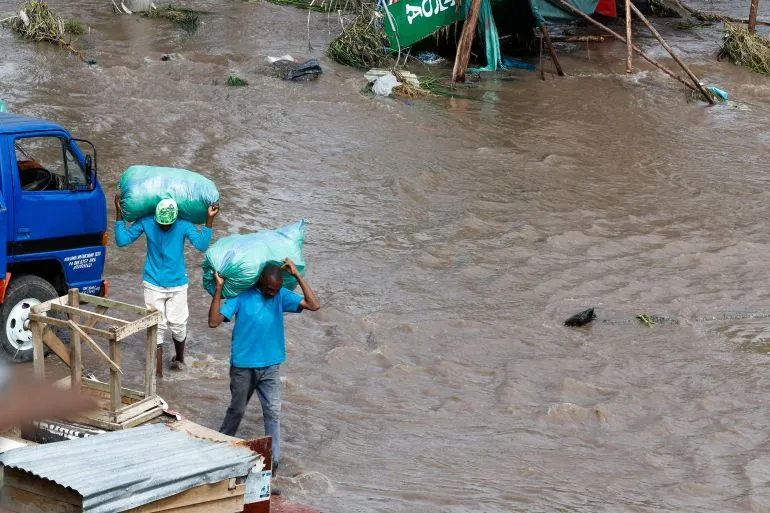
The rains have not been messing around. Floodwaters and landslides have swept through parts of the country, displacing residents and causing significant damage to infrastructure and livelihoods. For communities already living in vulnerable areas, the combination of fast-moving water and destabilized hillsides is about as dangerous as it sounds.
Landslides, for those unfamiliar with why they are so particularly terrifying, move fast and give little warning. When soil becomes saturated with rainwater, gravity does the rest - and it does it at speed. Combine that with flooding in low-lying areas, and you have a recipe for compounded disaster.
Part of a bigger, grimmer pattern
This is not Kenya's first rodeo with deadly seasonal flooding. The country has experienced repeated cycles of destructive rains in recent years, raising serious questions about disaster preparedness, urban planning in flood-prone zones, and yes - the broader context of a changing climate that is making extreme weather events more frequent and more severe across sub-Saharan Africa.
East Africa has been caught in a whiplash pattern of drought and floods, with communities barely recovering from one disaster before the next one rolls in. That is not an exaggeration - it is increasingly what the data shows.
The human cost
The confirmed death toll of at least 18 is almost certainly not the final count. In disaster situations like these, numbers tend to climb as rescue operations reach more remote or cut-off areas. Beyond the fatalities, the displacement of families and destruction of crops and homes creates ripple effects that last long after the rains stop.
Kenyan authorities have not yet issued a full official statement on the scale of relief operations underway, but emergency responses in similar past events have involved the Kenya Red Cross and government disaster management agencies.
What comes next
The rains are described as ongoing, meaning the situation is still actively developing. Al Jazeera's report notes continued precipitation, which means more flooding and more landslide risk in the short term before conditions can improve.
For now, at least 18 families know exactly how serious this rainy season is. The rest of the world could stand to pay attention.
Source: Al Jazeera