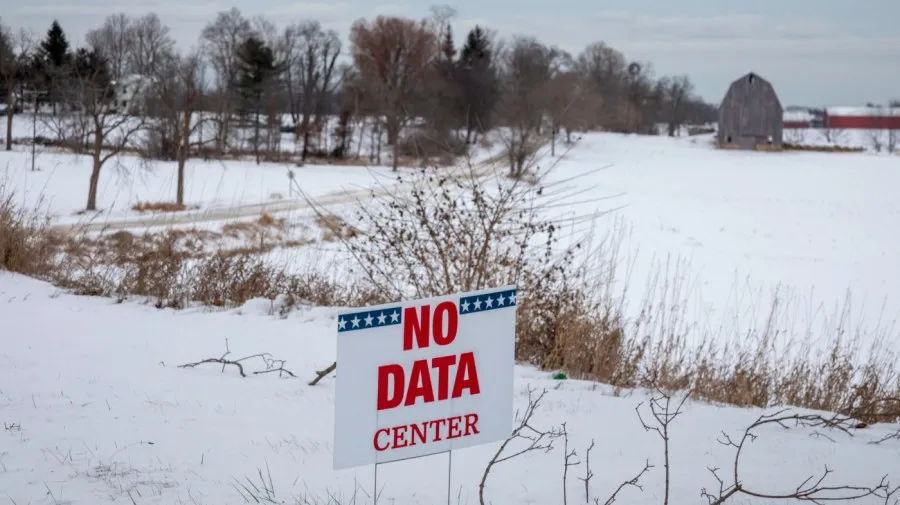
Efforts to block or restrict data center construction are accelerating across the United States, as residents and lawmakers push back against the rapid buildout of artificial intelligence infrastructure in their communities, according to reporting by The Hill.
Maine's legislature made history last week by becoming the first in the nation to pass a bill outright banning the development of large-scale data centers, marking a significant escalation in what has become a growing national backlash.
Why communities are pushing back
Opposition to data centers has been driven by a range of concerns at the local level. Critics cite the facilities' enormous demands on water and electricity, their impact on land use, noise pollution from cooling systems, and questions about whether the economic benefits they bring justify the strain they place on local infrastructure and resources.
Data centers, which serve as the physical backbone for cloud computing and increasingly for AI model training and deployment, have been expanding rapidly across the country as technology companies race to meet surging demand. That expansion has brought these facilities into residential and rural areas that were previously unaffected by heavy industrial development.

Momentum building beyond Maine
Maine's action is part of a broader trend, with measures at both the state and local level gaining traction across multiple jurisdictions. According to The Hill, Americans are increasingly skeptical of the large-scale AI infrastructure buildout occurring in or near their communities, and that skepticism is translating into legislative and regulatory action.
Local governments in various states have considered zoning restrictions, moratoriums, and other tools to limit where data centers can be built or how large they can grow.
Industry response and stakes
The data center industry and its backers in the technology sector argue that such restrictions could hamper U.S. competitiveness in artificial intelligence at a critical moment in global technological development. Proponents of the facilities point to job creation, tax revenue, and the broader economic benefits that accompany large infrastructure investments.
The tension reflects a wider national debate over how to balance the demands of a rapidly expanding technology economy against the preferences and needs of local communities. As AI applications grow more prevalent, the physical infrastructure required to support them is increasingly becoming a flashpoint in local politics.
Whether Maine's legislation will withstand legal challenge or serve as a model for other states remains to be seen. The bill would still need to clear any remaining procedural steps before becoming law.