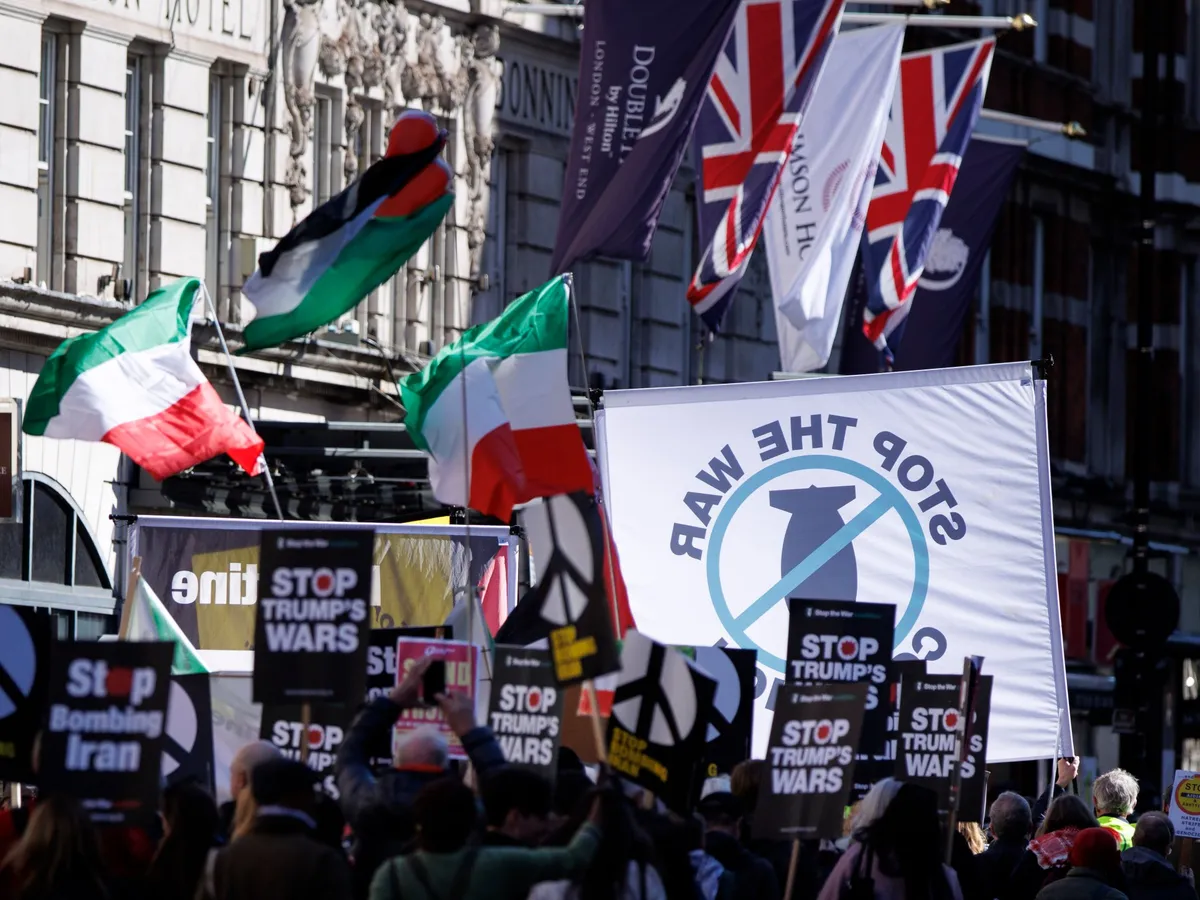
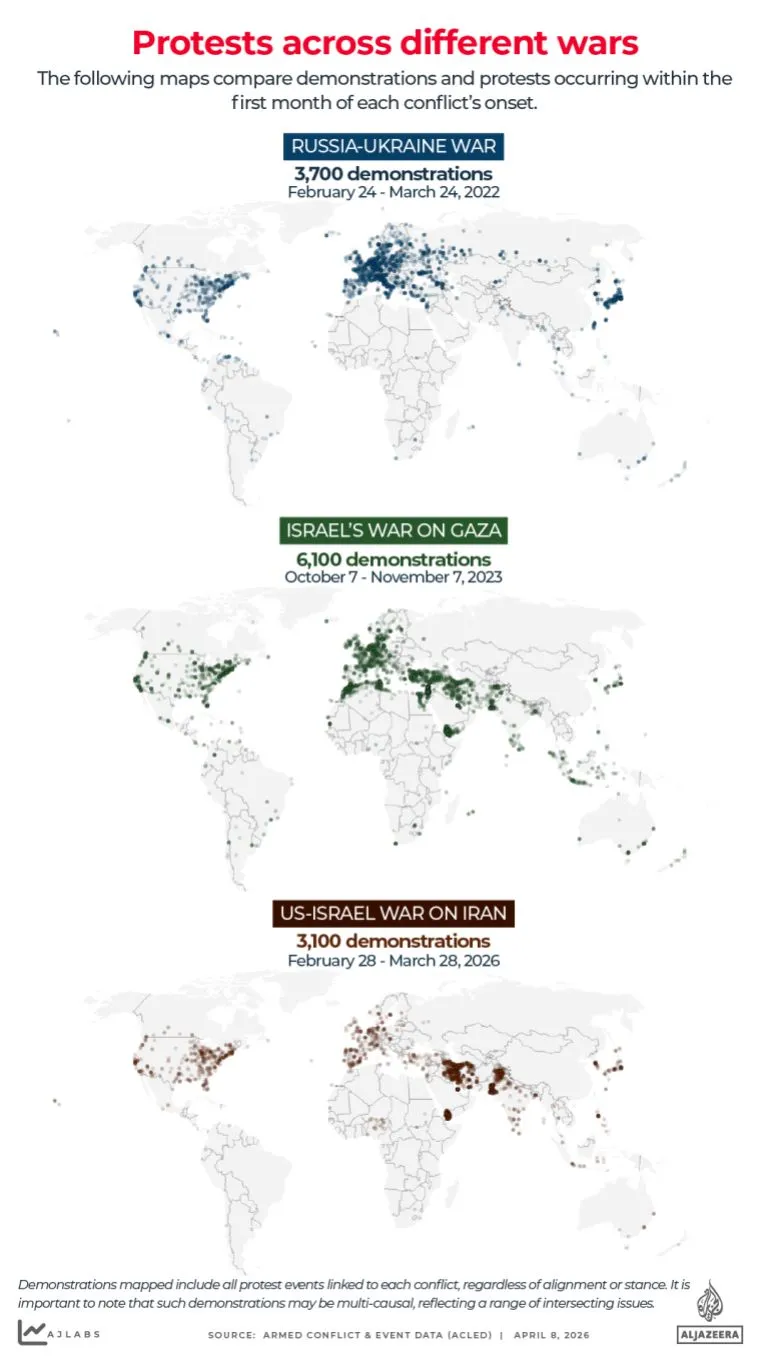
As tensions surrounding Iran escalate, anti-war demonstrations across Western countries have remained notably smaller and less frequent than the mass protests that accompanied the conflicts in Gaza and Ukraine, according to a report by Al Jazeera published on April 17, 2026.
The disparity has drawn attention from analysts and activists who are attempting to understand why public mobilization has been slower to materialize despite the scale of the potential conflict.
Multiple factors cited
Observers point to several overlapping reasons for the muted response. Chief among them is protest fatigue - a phenomenon in which sustained periods of social activism leave populations less willing or able to sustain momentum around new crises.
The past several years have seen significant public engagement around conflicts in Ukraine and Gaza, as well as a range of domestic political issues across Europe and North America. Some researchers suggest that activist networks and sympathetic members of the public have limited capacity to respond to successive emergencies at the same intensity.
Fear is also identified as a contributing factor. Concerns about being associated with perceived support for the Iranian government, or facing social or legal consequences, may be discouraging some individuals from attending or organizing events.
Disillusionment with results
A third factor raised in the Al Jazeera report is political disillusionment. Many activists who participated in large-scale protests over Gaza and Ukraine have expressed frustration that those demonstrations did not produce the policy changes they sought. This sense that protest may be ineffective is reported to be dampening enthusiasm for new mobilizations.
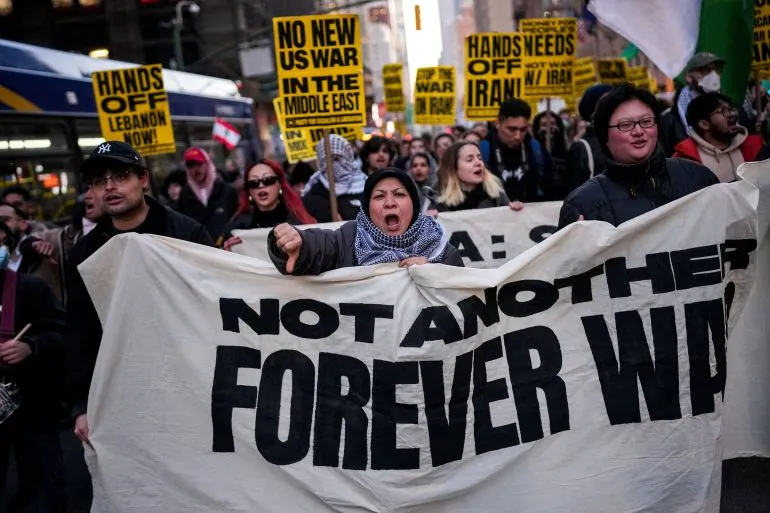
The ideological complexity surrounding Iran also plays a role. Unlike the Ukraine conflict, which many in the West framed in relatively clear terms, the situation involving Iran involves layered geopolitical dynamics that can make it harder for protest movements to coalesce around a single message.
Comparisons to previous mobilizations
At the height of protests over the war in Gaza, major cities including London, Paris, Washington and Berlin saw demonstrations drawing hundreds of thousands of participants. Similar scenes accompanied early responses to the Russian invasion of Ukraine in 2022.
By contrast, gatherings focused specifically on the threat of war with Iran have drawn smaller crowds, a contrast that organizers themselves have acknowledged.
Civil society groups are reported to be working to build broader coalitions, though it remains unclear whether those efforts will translate into the kind of mass street-level activism seen in recent years.
The report from Al Jazeera does not suggest that public opposition to potential conflict with Iran is absent, but rather that the mechanisms through which that opposition is being expressed appear to differ from previous movements.