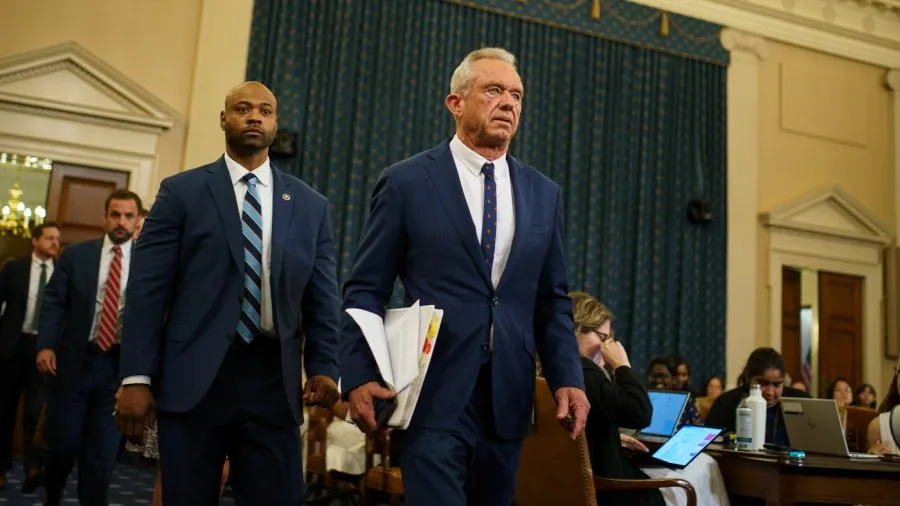
Health and Human Services Secretary Robert F. Kennedy Jr. faced his first congressional testimony of 2026 on Thursday, appearing before the House Ways and Means and Appropriations Committees in back-to-back hearings as part of a demanding schedule of seven congressional appearances over seven days, according to The Hill.
The hearings gave House members their first opportunity this year to question Kennedy directly on his stewardship of the nation's top health agency, including his positions on vaccines and the broader "Make America Healthy Again" movement he has championed since taking office.
Democratic pressure on vaccine policy
Democratic lawmakers used the hearings to press Kennedy on his record regarding vaccine policy, a subject that has drawn sustained criticism given his history of skepticism toward certain immunizations. Kennedy has been a controversial figure in public health circles long before assuming the HHS role, and Thursday's sessions reflected the continued tensions surrounding his leadership of the department.
Kennedy, for his part, defended his actions at the agency and pushed back against characterizations of his record, according to The Hill's reporting on the proceedings.
A marathon hearing schedule
The dual appearances on Thursday mark only the beginning of an unusually compressed period of congressional oversight. Kennedy is set to testify before a total of seven committees in seven days, a schedule that reflects the significant congressional interest in the direction of HHS under his leadership.
Such a concentrated period of hearings is relatively rare for a cabinet secretary and signals that lawmakers on both sides of the aisle have substantial questions about the agency's priorities, budget, and policy direction under the current administration.
Broader context
Kennedy's tenure at HHS has been marked by an emphasis on investigating the potential links between environmental factors, diet, and chronic disease - the core focus of the MAHA initiative. Critics, including many in the medical and public health communities, have raised concerns that his approach risks undermining established public health guidance, particularly around childhood vaccination schedules.
Supporters of Kennedy argue that he is bringing needed scrutiny to issues that have long been overlooked by federal health agencies, including the role of ultra-processed foods and chemical exposures in rising rates of chronic illness among Americans.
Further details on the specific exchanges and committee responses are expected to emerge as the remaining hearings proceed through the week.