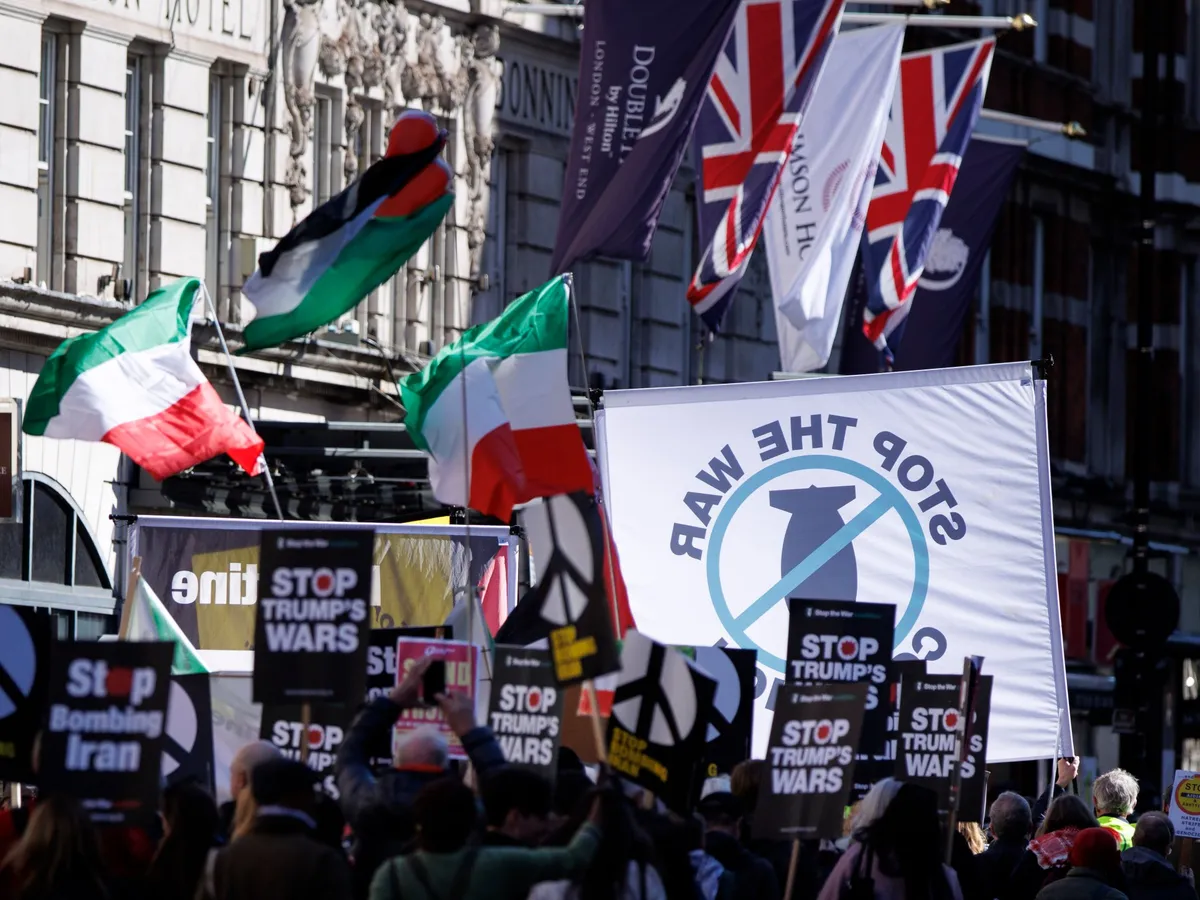
A group of Senate Republicans is pushing back against the Trump administration's military posture toward Iran, arguing that Congress must vote to authorize continued military action before a key legal deadline expires, according to reporting by The Hill.
The divide centers on the 1973 War Powers Resolution, which requires the president to obtain congressional approval within 60 days of initiating military hostilities or withdraw forces. As that window approaches in the ongoing conflict with Iran, some Republican senators say the law must be respected.
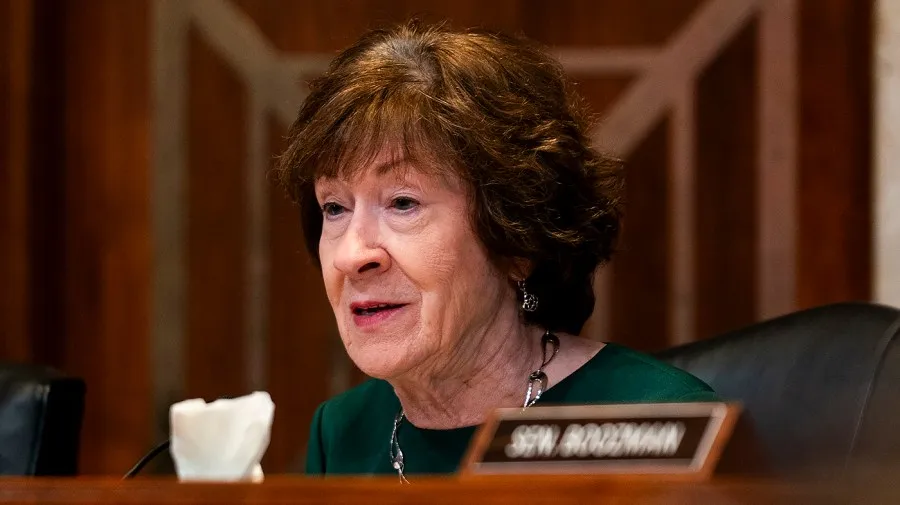
Among those calling for a congressional role are Sens. Lisa Murkowski of Alaska, Thom Tillis of North Carolina, and Susan Collins of Maine, according to The Hill. Their position puts them at odds with other members of their party who have deferred to the executive branch on the matter.
A divided caucus
The Republican split reflects a longstanding tension in Congress over war powers - a debate that has resurfaced repeatedly since the War Powers Resolution was enacted following the Vietnam War. The law was passed specifically to limit a president's ability to engage in prolonged military conflicts without legislative approval, though successive administrations have often disputed its scope and applicability.
Supporters of congressional oversight argue that allowing the 60-day deadline to pass without a vote would set a damaging precedent, effectively ceding war-making authority to the executive branch. Critics of that view, including some Republicans, contend that demanding a formal authorization vote could tie the president's hands during an active military engagement.
Broader implications
The debate comes at a sensitive moment in U.S.-Iran relations, with the administration engaged in what it has characterized as necessary military operations. The precise nature and scope of those operations, and whether they meet the threshold for triggering the War Powers Resolution's requirements, remains a point of legal and political contention.
No formal vote has been scheduled in the Senate, and Republican leadership has not publicly committed to bringing a war powers measure to the floor. The outcome of the internal GOP debate could determine whether Congress reasserts its constitutional role in matters of war or allows the executive branch to continue operations without explicit legislative sanction.
The Hill reported that the divisions among Senate Republicans reflect genuine uncertainty about how to proceed, with lawmakers weighing constitutional obligations against political considerations and the practical demands of an ongoing military situation.