Mali's military government is facing a serious challenge to its authority from a coalition of armed groups and rebel factions, according to a report by Al Jazeera's Inside Story program.
The junta, which has ruled Mali since a series of coups in 2020 and 2021, is confronting organized armed opposition that analysts say threatens the government's ability to maintain control over significant parts of the country.
A fragile security environment
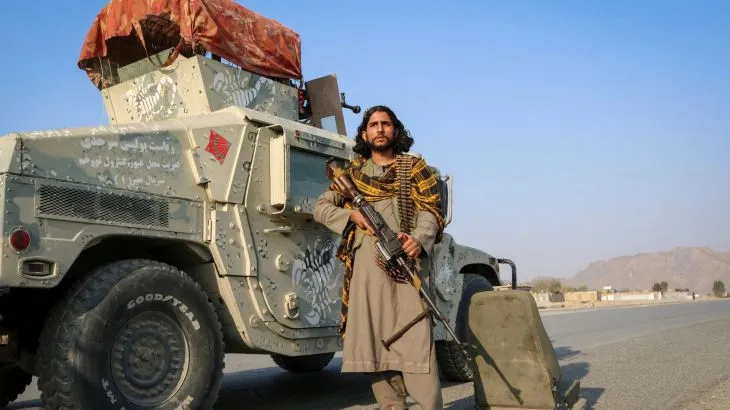
Mali has struggled with instability for more than a decade. The country's vast northern and central regions have long been contested by a range of actors, including jihadist groups linked to al-Qaeda and the Islamic State, as well as ethnic militias and separatist movements.
The latest challenge comes from a coalition of rebel and armed groups that are directly contesting the military administration's legitimacy and territorial reach. The nature and full composition of this coalition, as well as its specific territorial gains, were under examination in Al Jazeera's reporting.
Junta under pressure from multiple directions
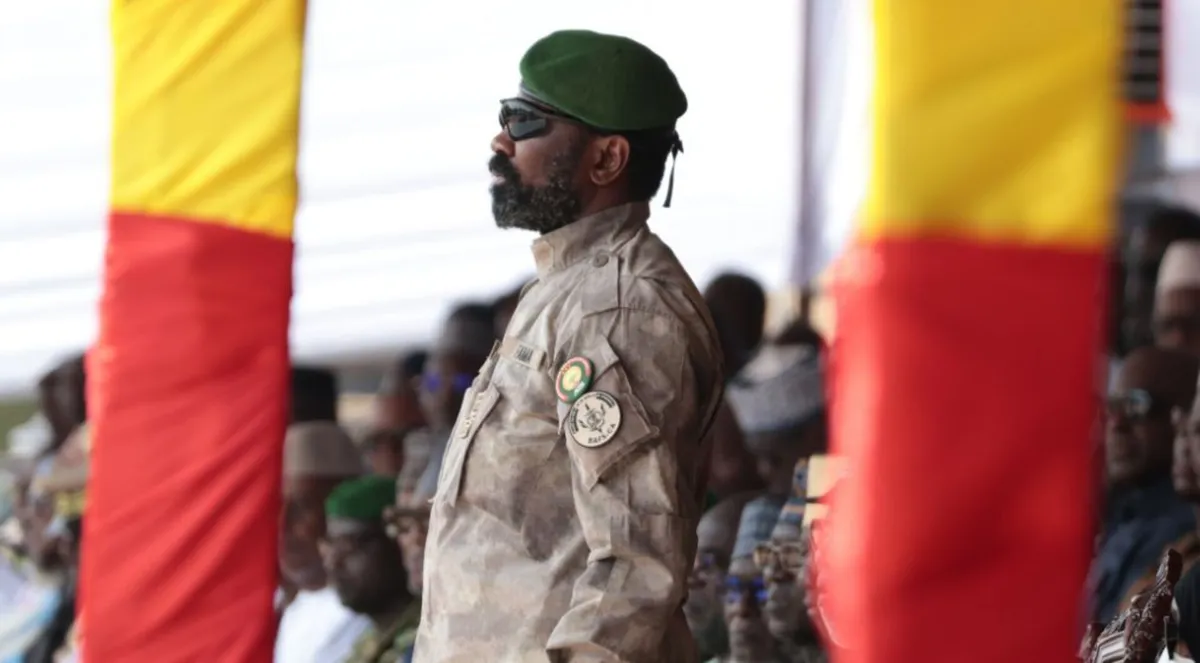
The military government, led by Colonel Assimi Goita, has already faced significant international isolation. Mali severed ties with France - its former colonial power and longtime security partner - and expelled the French military presence in 2022. The government subsequently turned to Russian Wagner Group mercenaries, now rebranded as the Africa Corps, for security support.
Despite that partnership, armed groups have continued to operate and expand across Malian territory. A major attack on the town of Tinzaouaten in mid-2024 resulted in significant casualties among Malian soldiers and their Russian allies, highlighting the limits of the current security arrangement.
Political legitimacy in question
Beyond the battlefield, the junta has faced criticism over repeated delays to a promised democratic transition. Elections that were initially expected have been postponed indefinitely, drawing condemnation from the Economic Community of West African States (ECOWAS) and other international bodies.
Critics argue that without a legitimate political process, the government lacks the civilian support needed to address the root causes of the insurgency, including poverty, ethnic grievances, and the absence of state services in rural areas.
The situation in Mali is being closely watched across the Sahel region, where several neighboring countries - including Burkina Faso and Niger - are also governed by military juntas facing similar pressures from armed groups and questions about long-term stability.
Al Jazeera's Inside Story report framed the central question as whether Mali's military leadership retains enough control to govern effectively, or whether the growing armed opposition signals a deeper erosion of state authority.