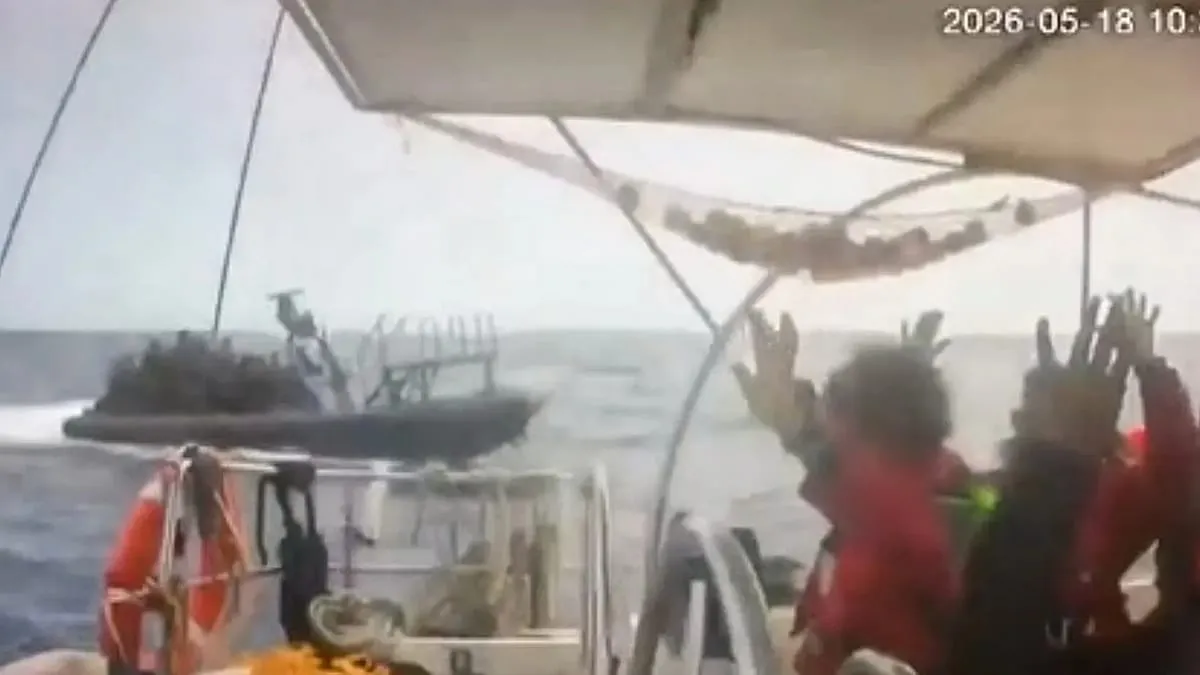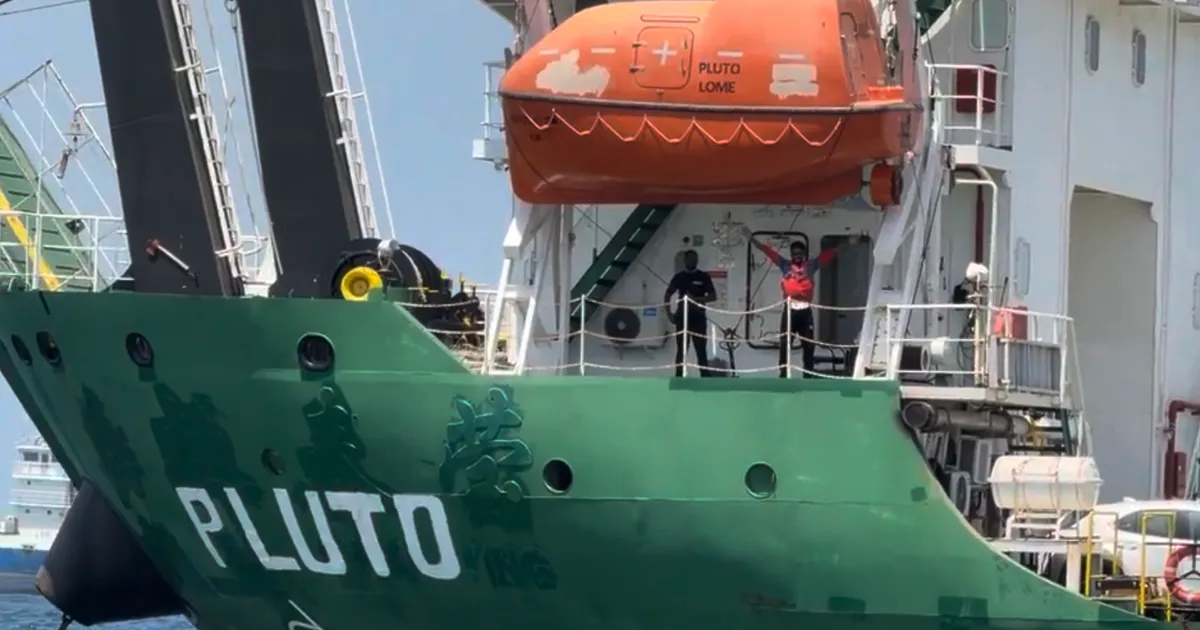
A CBS News team recently undertook a carefully arranged and risky journey into the Strait of Hormuz, the narrow waterway separating Iran from the Arabian Peninsula that serves as a chokepoint for a significant portion of the world's oil supply.
The reporting trip, described by CBS News as an exclusive venture, offered a rare firsthand look at a stretch of water that has been at the center of escalating tensions between Iran, the United States, and regional powers for years.

A waterway of enormous strategic weight
The Strait of Hormuz is approximately 21 miles wide at its narrowest point and carries an estimated 20 percent of the world's oil traffic. Its importance to global energy markets makes any instability in the region a matter of international concern.
The corridor has been the site of numerous incidents in recent years, including the seizure of commercial vessels, confrontations between naval forces, and attacks on oil tankers. Both the United States and Iran maintain active naval presences in the area, and the risk of miscalculation or direct confrontation remains a persistent concern among security analysts.
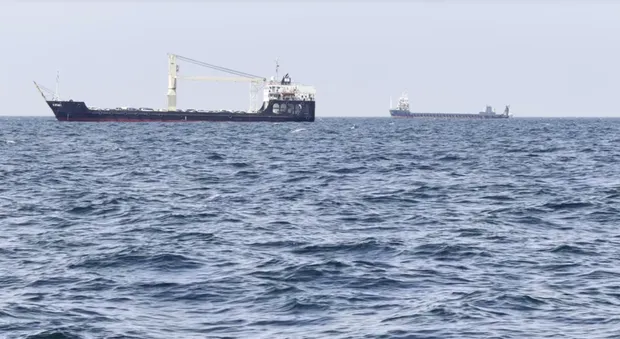
What the journalists observed
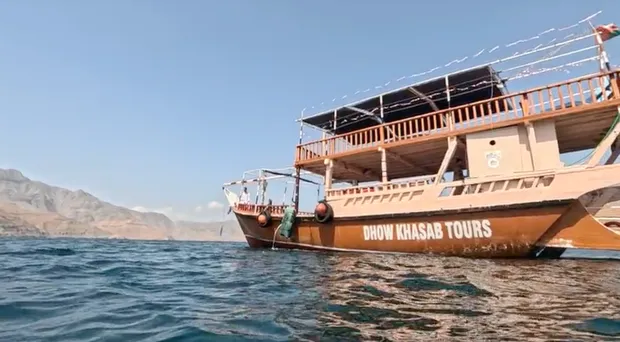
According to CBS News, the reporting team traveled by boat into the strait and documented conditions on the water. The outlet described the journey as carefully arranged, reflecting the logistical and security challenges involved in accessing a zone where military vessels from multiple nations operate in close proximity.
The report provides a ground-level perspective on a waterway that is frequently discussed in geopolitical and energy contexts but rarely witnessed directly by outside observers.
Broader context
Tensions around the Strait of Hormuz have remained elevated amid ongoing disputes over Iran's nuclear program and continuing friction between Tehran and Washington. Iran has previously threatened to close the strait in response to international pressure, a move that analysts say would have severe consequences for global oil prices and supply chains.
The United States Navy's Fifth Fleet, headquartered in Bahrain, routinely patrols the region alongside allied forces. Iran's Islamic Revolutionary Guard Corps also operates in the strait and has been involved in several high-profile incidents with foreign vessels.
The CBS News expedition underscores the continued journalistic interest in documenting conditions along a route that, while central to global commerce and international security discussions, remains difficult and dangerous to access.