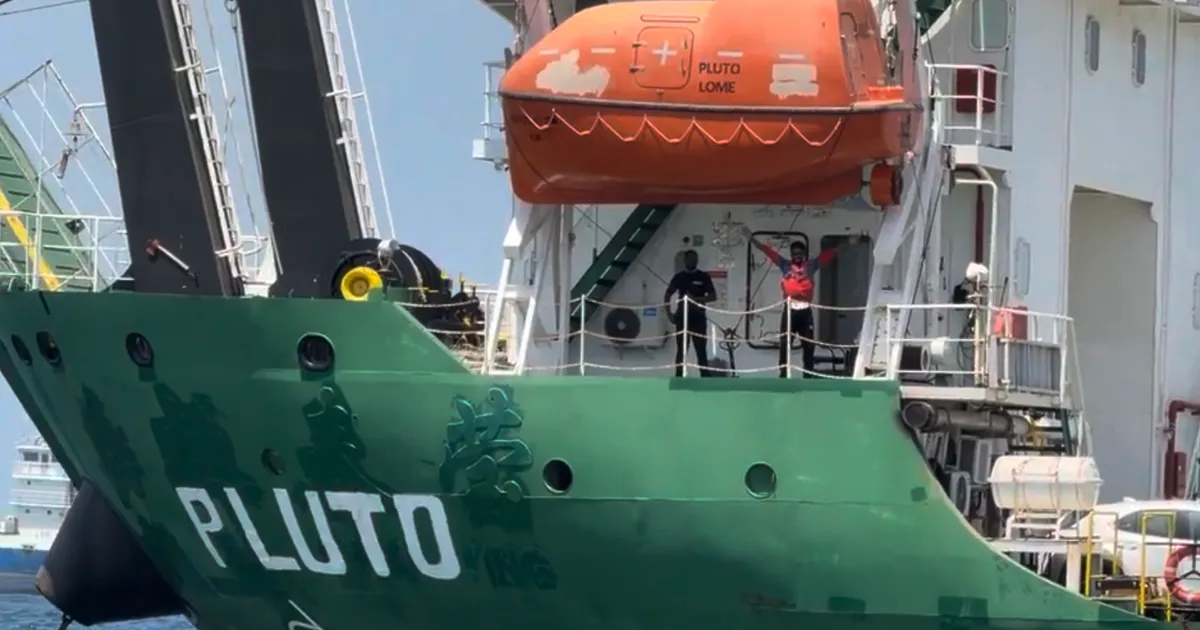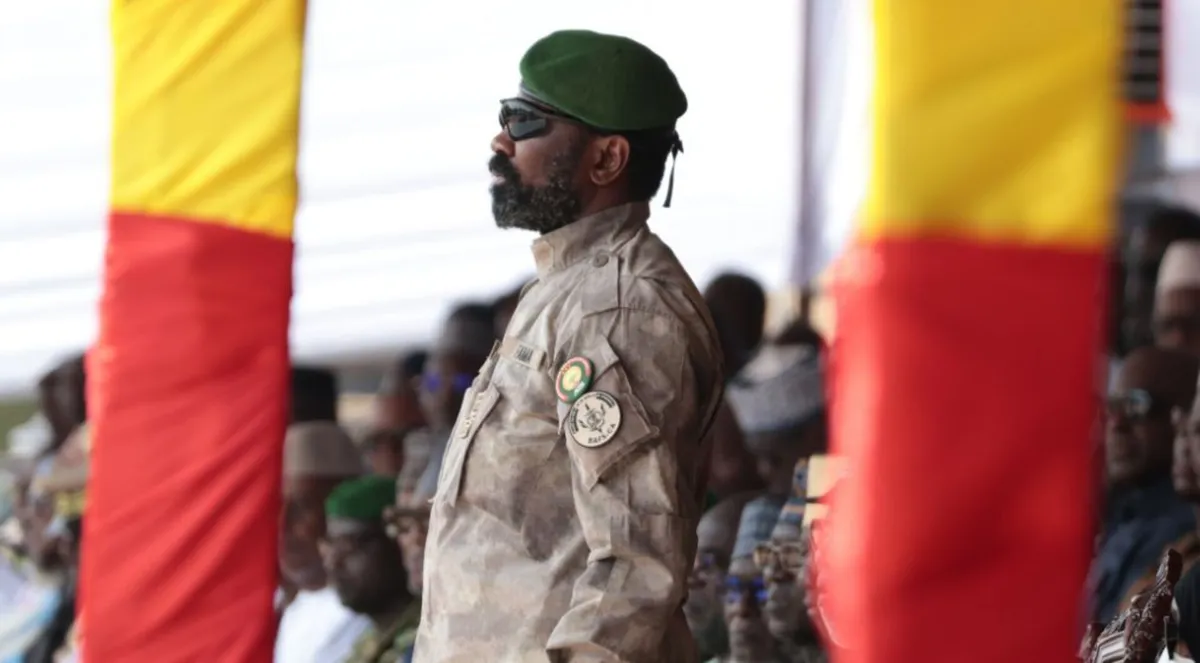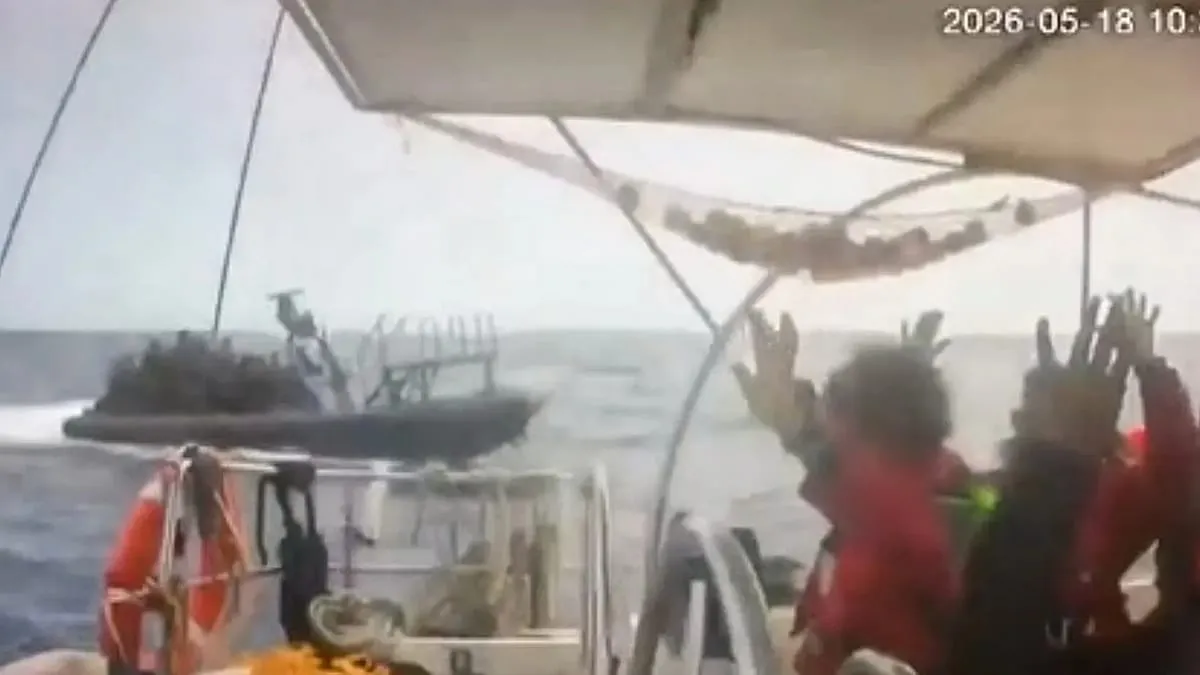
An aid flotilla attempting to reach Gaza was intercepted by Israeli forces near Cyprus on Sunday, with organizers claiming their vessels were "under attack" as the operation unfolded, according to reporting by Euronews.
The flotilla, which was carrying humanitarian supplies intended for Gaza, was stopped before it could reach its destination. Organizers broadcast distress communications as Israeli naval forces approached and boarded the ships.
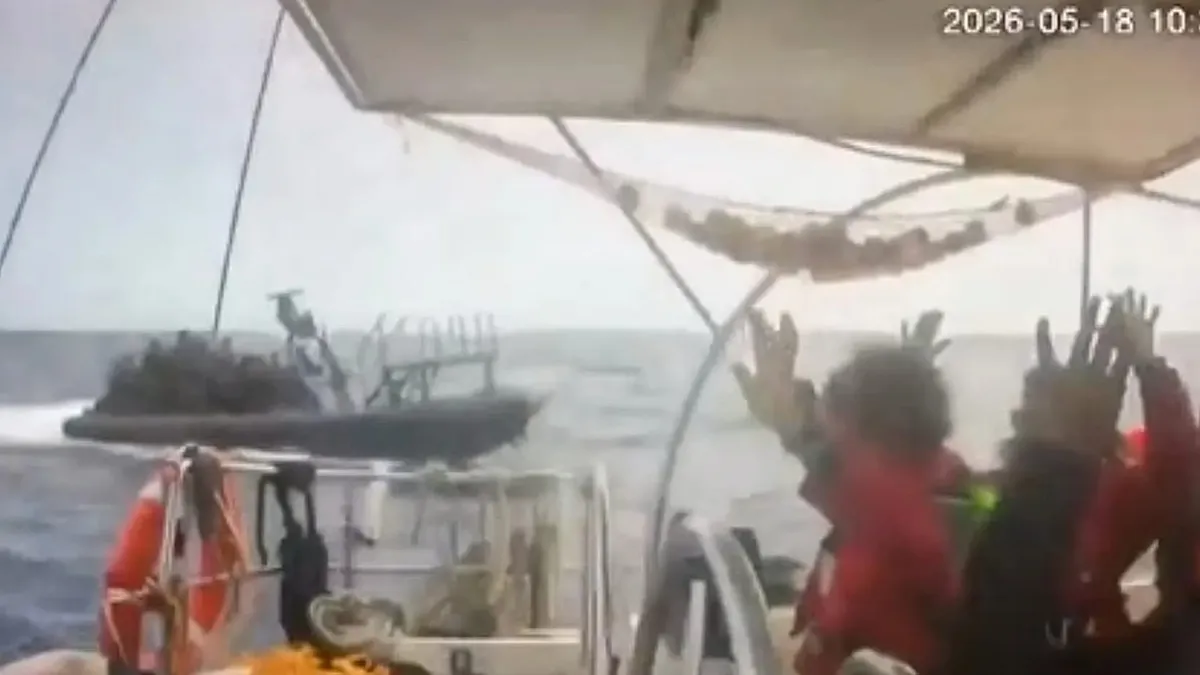
Israel's foreign ministry defended the interception, framing the flotilla as a politically motivated effort rather than a genuine humanitarian mission. The ministry said the aim of the flotilla was to "serve Hamas, to divert attention from Hamas's refusal to disarm and to obstruct progress on President Trump's peace plan," according to Euronews.
Competing narratives
The interception immediately drew competing interpretations from both sides. Flotilla organizers and supporters presented the operation as a lawful attempt to deliver aid to a population facing severe shortages. Israeli authorities characterized it as a provocation designed to undermine ongoing diplomatic efforts in the region.
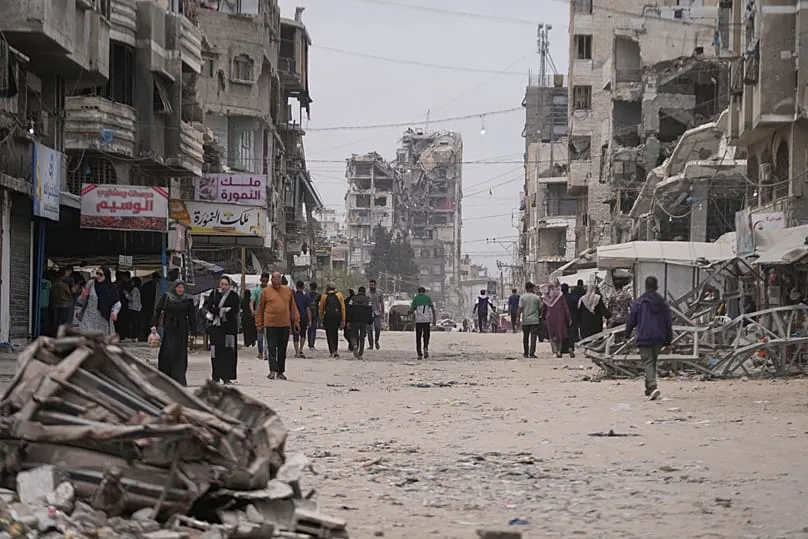
Israel has maintained a blockade on Gaza, citing security concerns and the need to prevent weapons from reaching Hamas. Critics of the blockade, including numerous humanitarian organizations and several governments, argue that restrictions have contributed to a severe humanitarian crisis for the civilian population inside the territory.
The interception near Cyprus places the incident in international waters, a detail that is likely to raise legal questions about the scope of Israel's enforcement authority. A similar episode in 2010, when Israeli forces boarded a flotilla and killed nine activists aboard the Mavi Marmara, triggered an international diplomatic crisis and remains a point of contention between Israel and Turkey.
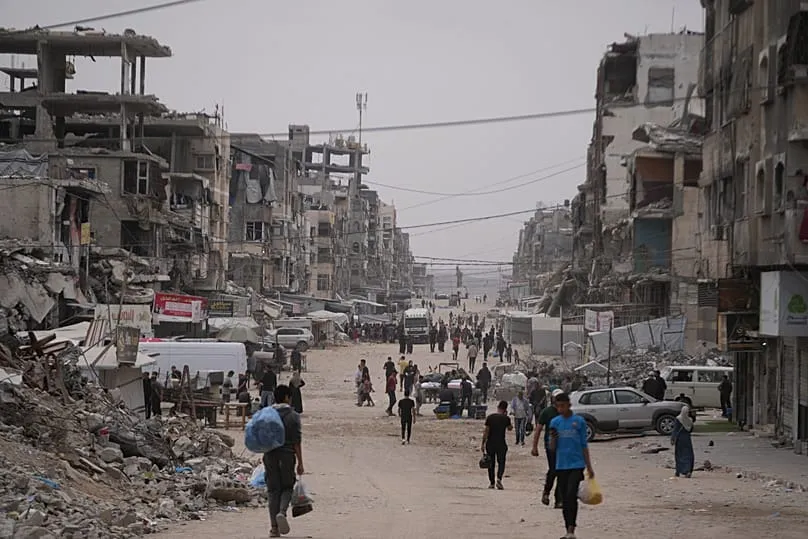
Broader context
The flotilla's interception comes at a sensitive moment for regional diplomacy. Israel's foreign ministry specifically referenced President Trump's peace plan in its statement, signaling that Tel Aviv views outside pressure campaigns - including flotillas - as obstacles to negotiations rather than legitimate expressions of concern for civilian welfare.
The full extent of any injuries or damage to the vessels had not been confirmed at the time of reporting. Details about the number of ships involved, the nationalities of those on board, and the specific organizations behind the flotilla were not fully outlined in the initial reporting from Euronews.
International reactions to the interception were still emerging as the story developed.