In what is shaping up to be one of the most geopolitically spicy electoral outcomes of 2026, Armenia has decisively voted to keep drifting away from Russia's orbit - and toward Europe's considerably warmer embrace.
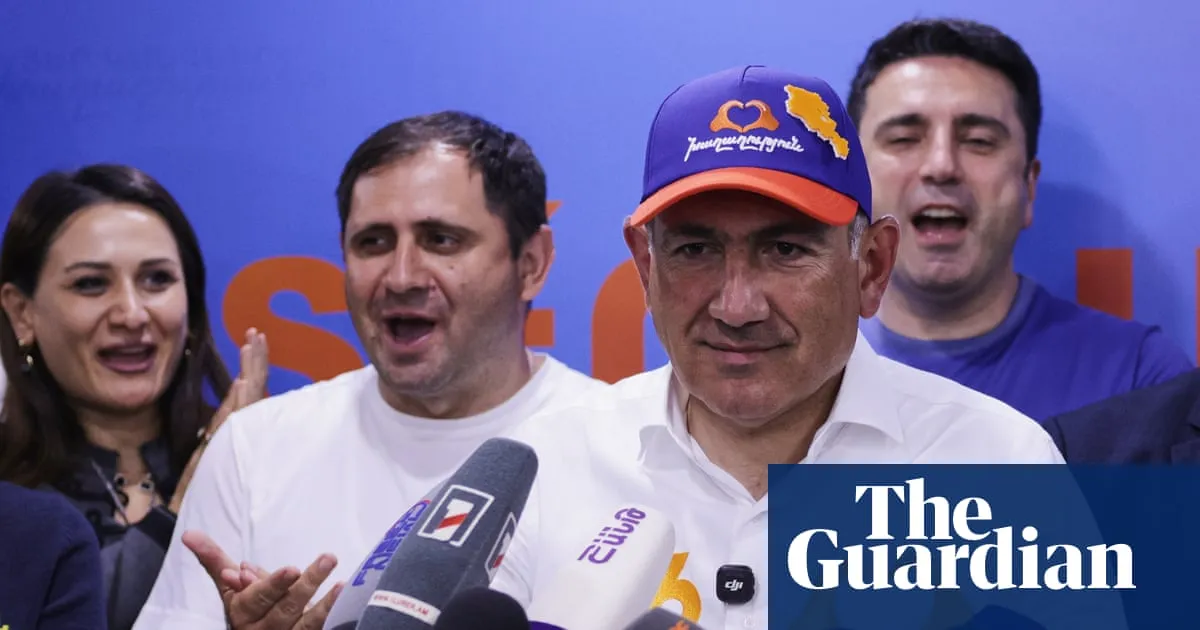
According to final results reported by The Guardian, Prime Minister Nikol Pashinyan's Civil Contract party secured a slim but decisive parliamentary majority in the small South Caucasus nation's elections. The win cements what has been an increasingly dramatic breakup between Yerevan and Moscow, a relationship that was once so close it made NATO nervous.
The breakup nobody saw coming (except everyone)
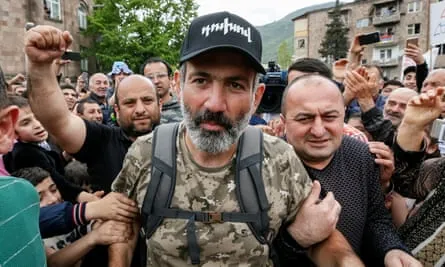
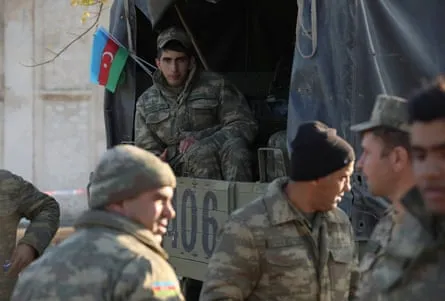
Armenia and Russia used to be practically inseparable. Russian military bases, Russian security guarantees, Russian energy dependence - the whole package. But Pashinyan has spent recent years methodically distancing his country from that arrangement, especially after Armenia felt abandoned by Moscow during its conflict with Azerbaijan over Nagorno-Karabakh.
The election result essentially gives Pashinyan a popular mandate to keep walking down that path, much to the Kremlin's reported displeasure. Moscow has not been shy about warning Armenia against its westward pivot - though those warnings appear to have done little to sway Armenian voters.
Who was on the other side of this?
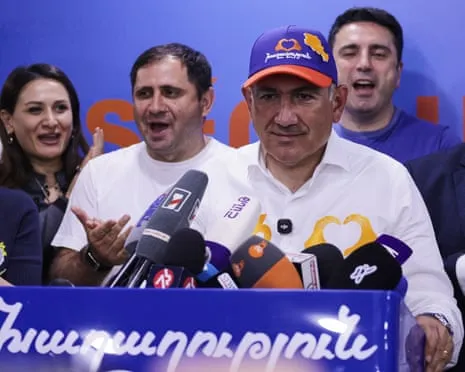
The main opposition challenge came from the Strong Armenia alliance, led by Russian-Armenian billionaire Samvel Karapetyan. If you needed a more on-the-nose symbol of the Russia-versus-Europe tension playing out in this election, a Russian-Armenian oligarch leading the opposition to a pro-Europe government is about as subtle as a hammer.
Ultimately, Armenian voters chose the European lane - slim majority and all.
Why this matters beyond the Caucasus
Armenia's pivot is a fascinating case study in how small nations recalibrate their foreign policy when great power protectors fail to deliver. Russia's security umbrella turned out to have some significant holes in it, and Armenians noticed. The country has since been pursuing closer ties with the EU and has been cooling on its membership in Russian-led security and economic blocs.
For Europe, a stable, pro-Western Armenia is a welcome development in a region that has historically been messy, contested, and complicated. For Russia, it is another entry in what is becoming a rather long list of former allies who decided to explore other options.
Pashinyan now heads into a new parliamentary term with a renewed mandate, a cautious majority, and at least one very annoyed superpower neighbor to manage.
Source: The Guardian